
Preparing Your Dog for a New Baby
Bringing home a new baby is one of life’s most exciting changes—but for your dog, it can also be confusing, overwhelming, and emotionally challenging. Dogs thrive on routine, predictability, and clear expectations. When those things suddenly shift, even the most well-behaved dog can struggle.
The good news? With thoughtful preparation before your baby arrives, you can help your dog adjust smoothly, reduce stress, and build a positive foundation for a lifelong bond between dog and child.
Preparing your dog isn’t about “training them to tolerate a baby.” It’s about helping them feel safe, secure, and included during a major life change.
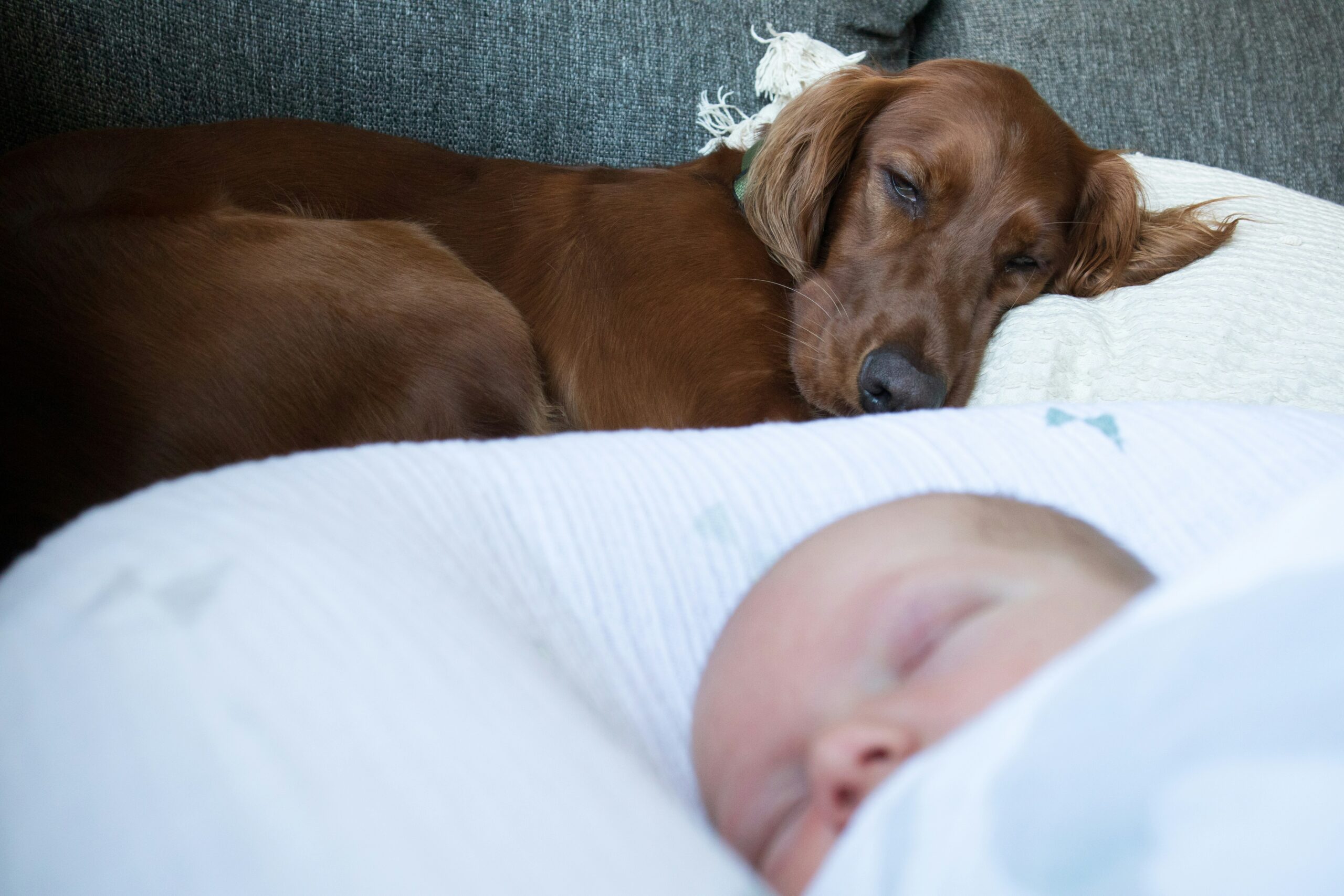
Why Preparation Matters So Much
Many issues between dogs and babies don’t come from aggression—they come from stress, confusion, and unmet needs. Dogs that feel pushed aside or overwhelmed may show signs like:
-
Increased anxiety
-
Clinginess or withdrawal
-
Regression in training
-
Excessive barking or pacing
-
Destructive behaviors
Preparation helps prevent these issues by gradually introducing change instead of letting it arrive all at once.
1. Start Adjusting Routines Early
Babies change everything—sleep schedules, walk times, feeding routines, and attention levels. Start adjusting your dog’s routine before the baby arrives so the changes don’t feel sudden.
Helpful steps:
-
Shift walk times closer to what they’ll be post-baby
-
Practice shorter but more consistent walks
-
Adjust feeding times if needed
-
Introduce alone time or independent rest periods
This teaches your dog flexibility and helps them learn that routine changes are safe—not threatening.
2. Practice Baby Sounds in Advance
Crying, cooing, and sudden noises can be startling for dogs who’ve never heard them before.
To desensitize your dog:
-
Play baby sound recordings at a very low volume
-
Pair sounds with treats or calm praise
-
Gradually increase volume over time
-
Stop if your dog shows signs of stress
This builds positive associations and prevents fear-based reactions once your baby arrives.
 3. Introduce Baby Items Slowly
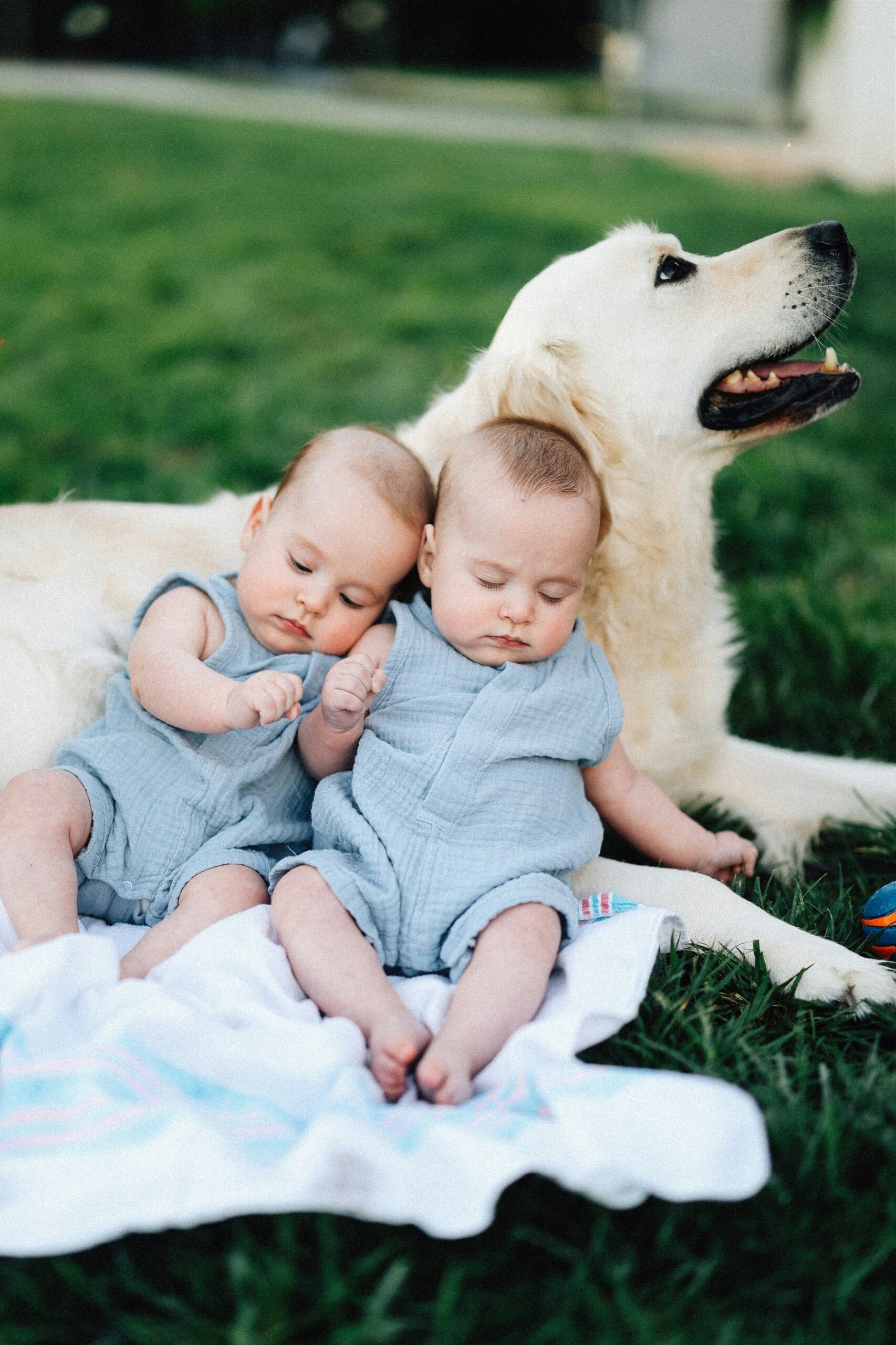
Baby gear often shows up all at once—cribs, swings, strollers, play mats. To a dog, these unfamiliar objects can feel intrusive.
Let your dog:
-
Sniff baby furniture calmly
-
Observe items being assembled
-
Walk near strollers during practice walks
-
Learn which items are off-limits
Reward calm curiosity and ignore overly excited behavior so neutrality becomes the goal.
4. Teach and Reinforce Key Skills
Before the baby arrives, strengthen behaviors that will make life easier and safer.
Focus on:
-
Place/bed command – teaches calm settling
-
Leave it – helpful for baby items
-
Loose leash walking – for stroller walks
-
Calm greetings – reduces jumping or excitement
These skills don’t require perfection—just reliability under mild distraction.
5. Create Dog-Only Safe Spaces
Your dog will need places where they can retreat without interruption. This is critical for preventing stress and overstimulation.
Safe spaces might include:
-
A crate (if crate-trained)
-
A quiet room or corner
-
A gated-off dog zone
-
A comfortable bed away from baby traffic
Teach your dog that this space is theirs—and ensure it stays baby-free.
6. Practice Boundaries Early
If certain areas will be off-limits once the baby arrives, start enforcing those boundaries now.
This may include:
-
Nurseries
-
Changing tables
-
Bassinet areas
-
Play zones
Use gates, consistent rules, and calm redirection. Dogs adapt well to boundaries when they’re clear and predictable.
 7. Build Positive Associations With Baby-Related Changes
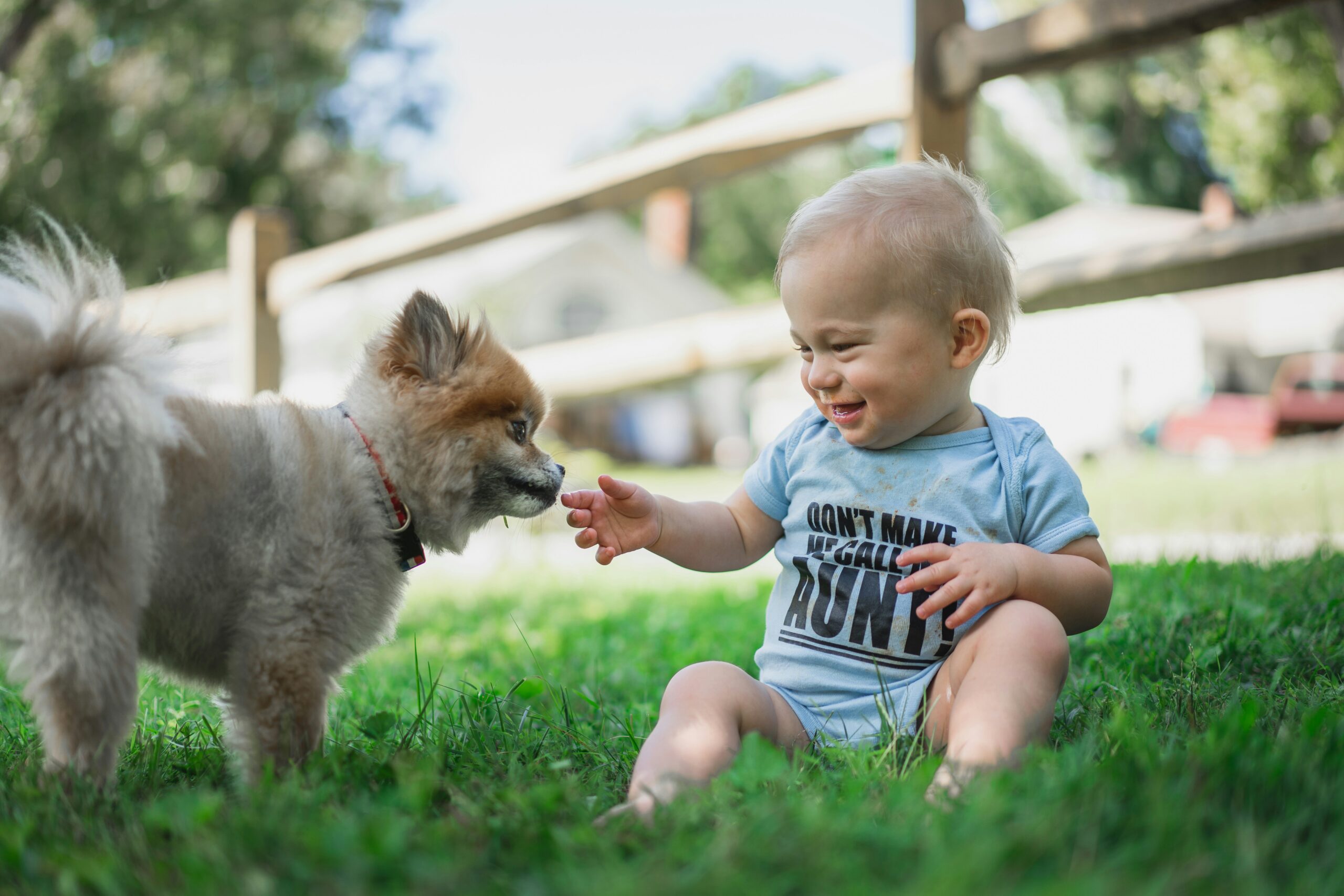
Dogs learn through association. Make sure baby-related changes predict good things.
Examples:
-
Baby sounds = treats
-
Stroller comes out = walk time
-
Nursery door opens = calm praise
-
Baby gear appears = enrichment toy
This helps your dog view the baby as part of a positive routine, not a disruption.
8. Maintain Emotional Connection
One of the biggest fears dogs experience during life changes is losing their bond with their person.
Even as you prepare for baby:
-
Schedule intentional one-on-one time
-
Offer enrichment toys and puzzles
-
Maintain affection within your dog’s comfort
-
Keep training sessions short and positive
Quality matters more than quantity.
9. Understand Stress Signals
Learning your dog’s stress cues allows you to intervene early.
Common signs include:
-
Lip licking
-
Yawning
-
Turning away
-
Whale eye (white of eyes showing)
-
Freezing
-
Excessive panting
Respect these signals—they’re your dog communicating, not misbehaving.
10. Set Realistic Expectations
Your dog doesn’t need to love the baby immediately. Neutral, calm coexistence is the goal.
Relationships between dogs and children grow gradually, based on trust, safety, and positive experiences. Preparation creates the conditions for that bond to develop naturally.
Laying the Foundation for a Safe, Happy Family
Preparing your dog for a new baby is one of the most loving things you can do for both of them. With gradual changes, clear boundaries, and positive reinforcement, your dog can transition into this new chapter feeling secure—not sidelined.
A confident, supported dog is far more likely to become a gentle, patient companion as your child grows.