
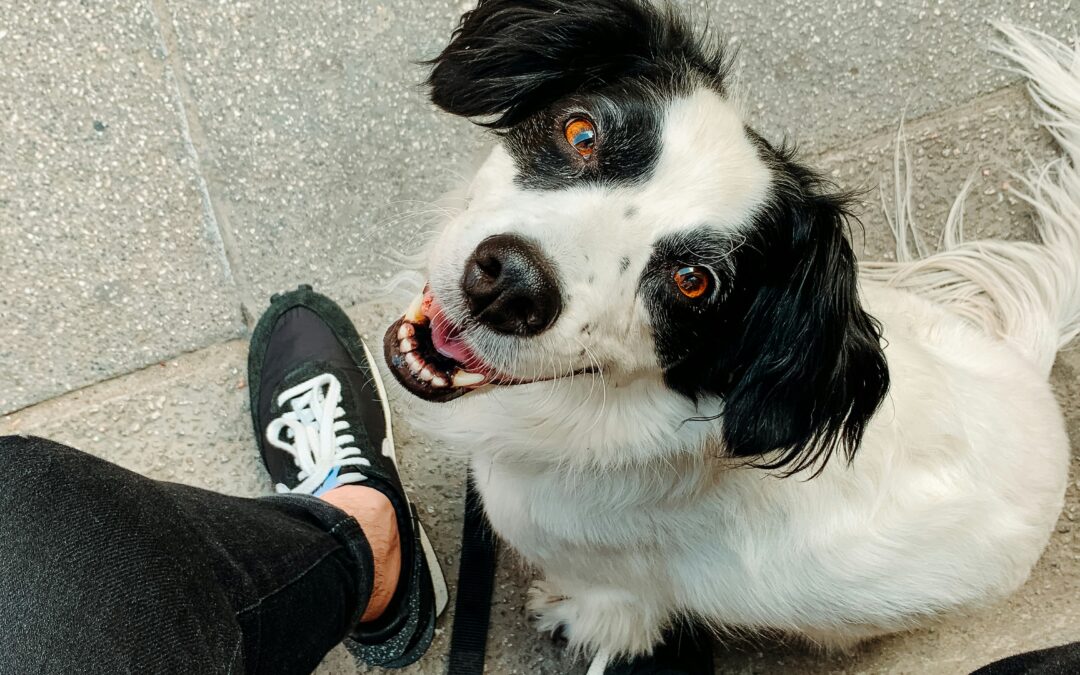
The 3-3-3 Rule: What to Expect After Adopting a Dog
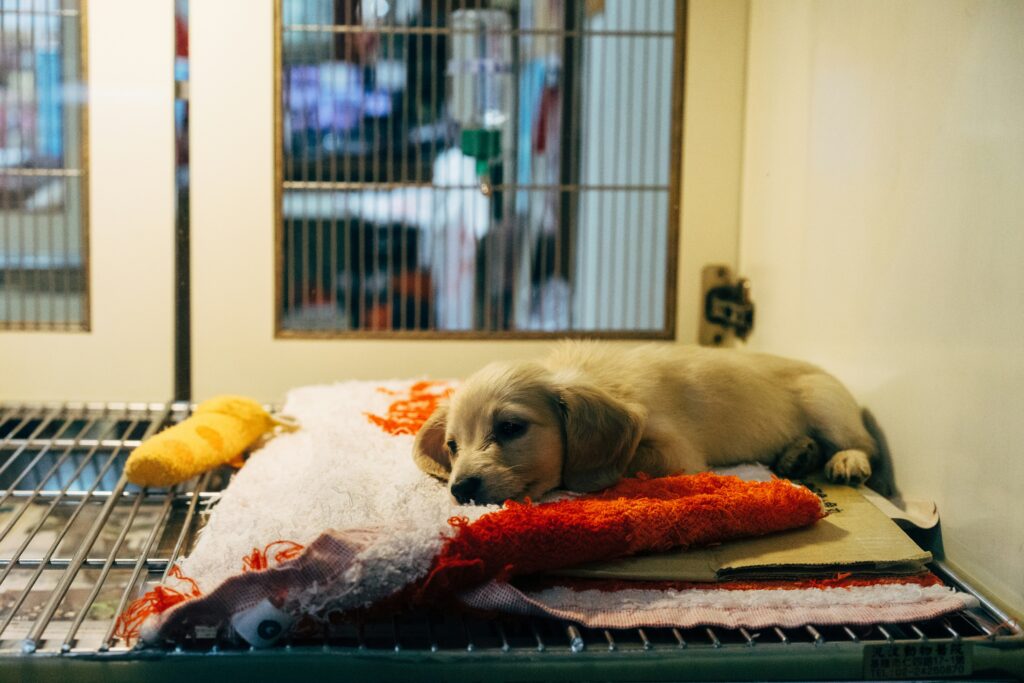
Introduction: Bringing a Rescue Dog Home
Adopting a rescue dog is an exciting and emotional experience — but it can also come with uncertainty. Many new adopters wonder why their dog seems withdrawn, overwhelmed, or even “too perfect” at first. This is where the 3-3-3 rule for rescue dogs becomes an essential guideline.
The 3-3-3 rule helps set realistic expectations for how an adopted dog adjusts over time. Rather than judging behavior too quickly, it encourages patience, understanding, and compassion during the transition into a new home.
What Is the 3-3-3 Rule for Dogs?
The 3-3-3 rule describes three key stages most rescue dogs experience after adoption:
-
First 3 days: Overwhelmed and decompressing
-
First 3 weeks: Learning routines and testing boundaries
-
First 3 months: Feeling settled and showing their true personality
Not every dog follows this timeline exactly, but it provides a helpful framework for understanding rescue dog adjustment.
The First 3 Days: Decompression Mode
During the first three days, your new dog is processing a major life change. New sights, smells, sounds, people, and routines can be overwhelming.
Common behaviors during this phase include:
-
Sleeping more than usual
-
Limited appetite
-
Hesitation or shutdown behavior
-
Avoidance or clinginess
Your dog may seem quiet or unusually calm. This doesn’t mean they’re fully relaxed — it means they’re trying to cope.
How to help during the first 3 days:
-
Keep routines simple and predictable
-
Limit visitors and outings
-
Provide a quiet, safe space
-
Avoid overwhelming training or socialization
This period is about decompression, not performance.
 The First 3 Weeks: Learning the New World

As your dog begins to feel safer, you may notice changes. Energy increases, curiosity emerges, and behaviors may shift.
During this stage, many dogs:
-
Begin exploring their environment
-
Show more personality
-
Test boundaries
-
Develop stronger attachment
This is a critical part of the adopted dog timeline, where consistency matters most.
How to support your dog at 3 weeks:
-
Maintain consistent feeding and walk times
-
Begin gentle training routines
-
Reinforce calm behavior
-
Continue limiting overstimulation
Some adopters worry when behavior “changes” — but this is normal and healthy progress.
The First 3 Months: Feeling at Home
By three months, most rescue dogs feel secure enough to be themselves. Trust is forming, routines feel familiar, and confidence increases.
Signs your dog is settling in include:
-
Relaxed body language
-
Willingness to play
-
Improved focus during training
-
Stronger bond with family members
This phase marks true dog adoption transition success.
However, it’s also when deeper behavioral challenges may appear — not because things are going wrong, but because your dog finally feels safe enough to express them.
Why the 3-3-3 Rule Matters
Understanding the 3-3-3 rule for dogs prevents unrealistic expectations. Many dogs are returned to shelters because adopters expect instant bonding or perfect behavior.
The rule reminds us:
-
Trust takes time
-
Behavior evolves with safety
-
Progress isn’t linear
Patience during this period builds lifelong trust.
What the 3-3-3 Rule Is NOT
It’s important to remember:
-
It’s not a strict deadline
-
It doesn’t apply the same way to every dog
-
It’s not a guarantee of behavior outcomes
Dogs with trauma, medical needs, or anxiety may take longer — and that’s okay.
 How Humans Can Adjust Their Expectations
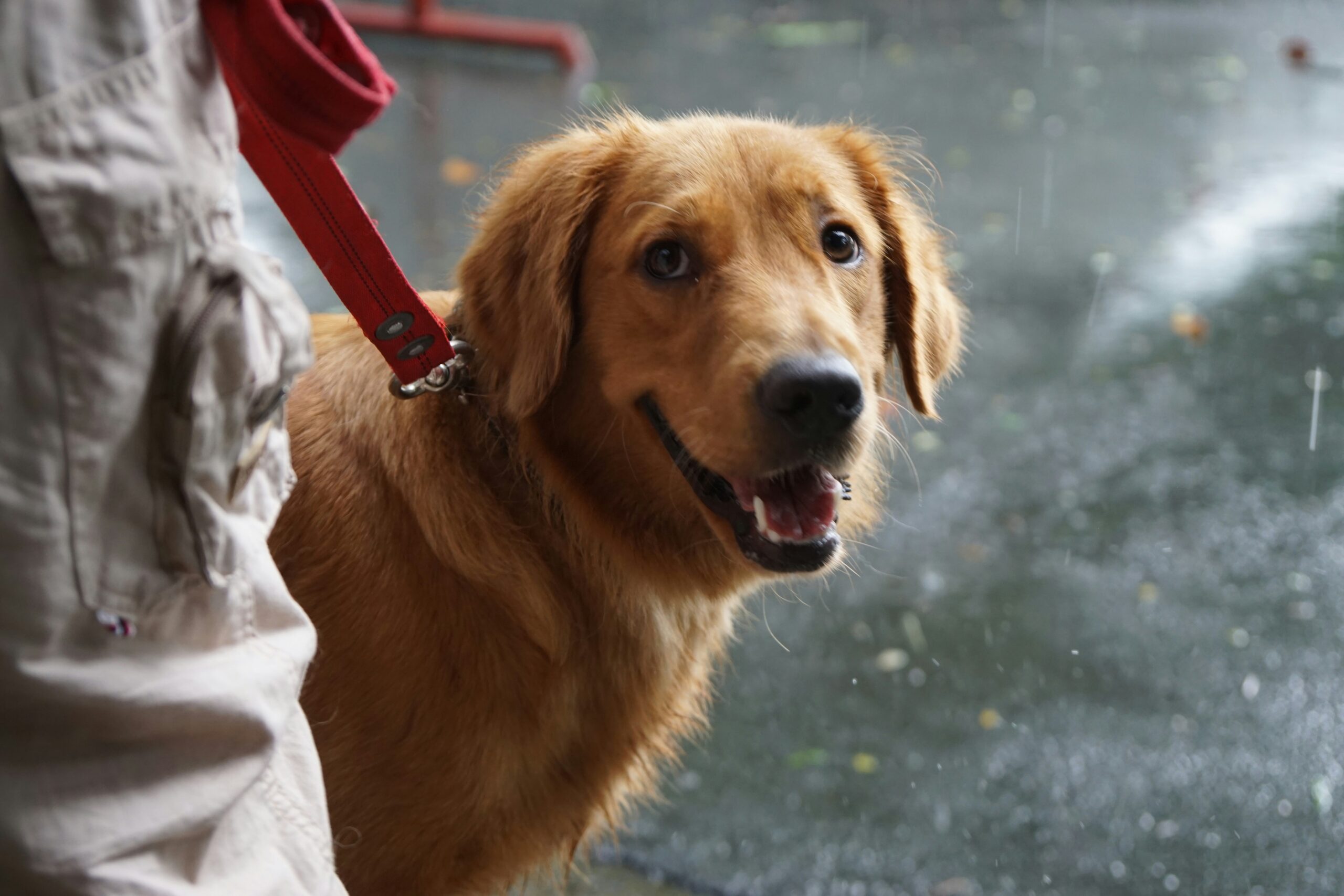
When bringing home a rescue dog, success comes from:
-
Observing instead of reacting
-
Responding calmly to setbacks
-
Celebrating small wins
Your dog isn’t trying to challenge you — they’re learning how to exist in a brand-new world.
The Emotional Side of Rescue Dog Adjustment
Rescue dogs often carry emotional histories we may never fully know. The 3-3-3 rule gives them grace during a vulnerable time.
When adopters honor this process, dogs feel:
-
Safe
-
Understood
-
Secure
And that’s where transformation begins.
Final Thoughts: Trust the Process
Adopting a rescue dog is a journey, not a moment. The 3-3-3 rule helps adopters slow down, breathe, and trust the process.
If you give your dog time, consistency, and compassion, the reward is a deep, meaningful bond that lasts a lifetime.