
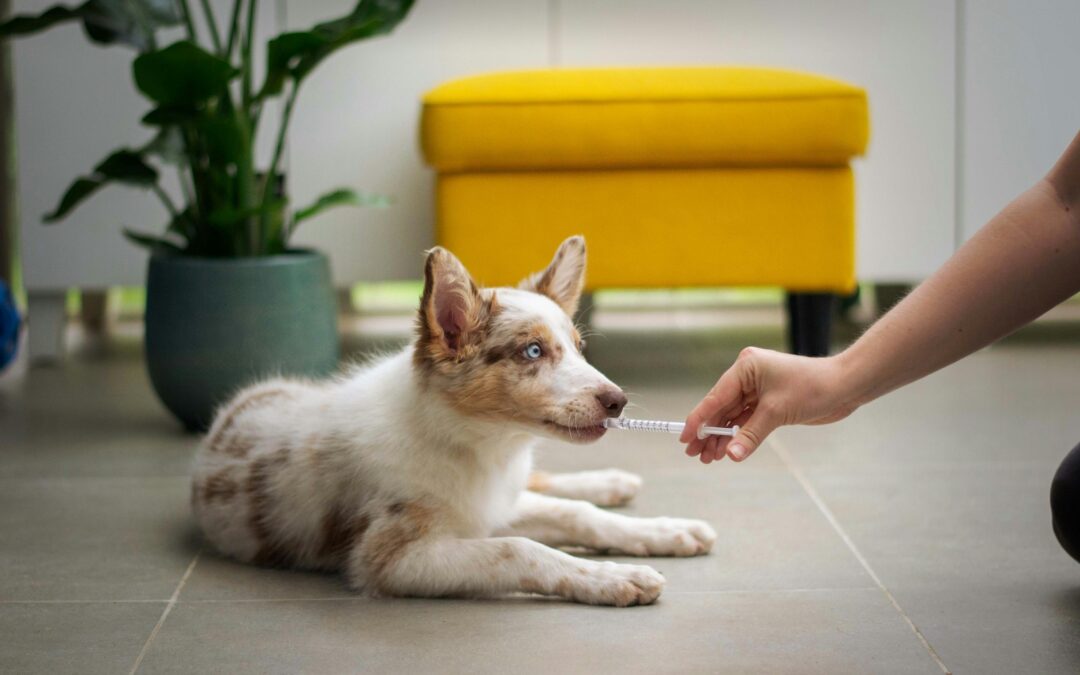
Help Your Dog Enjoy Vet Visits: A Saratoga Guide

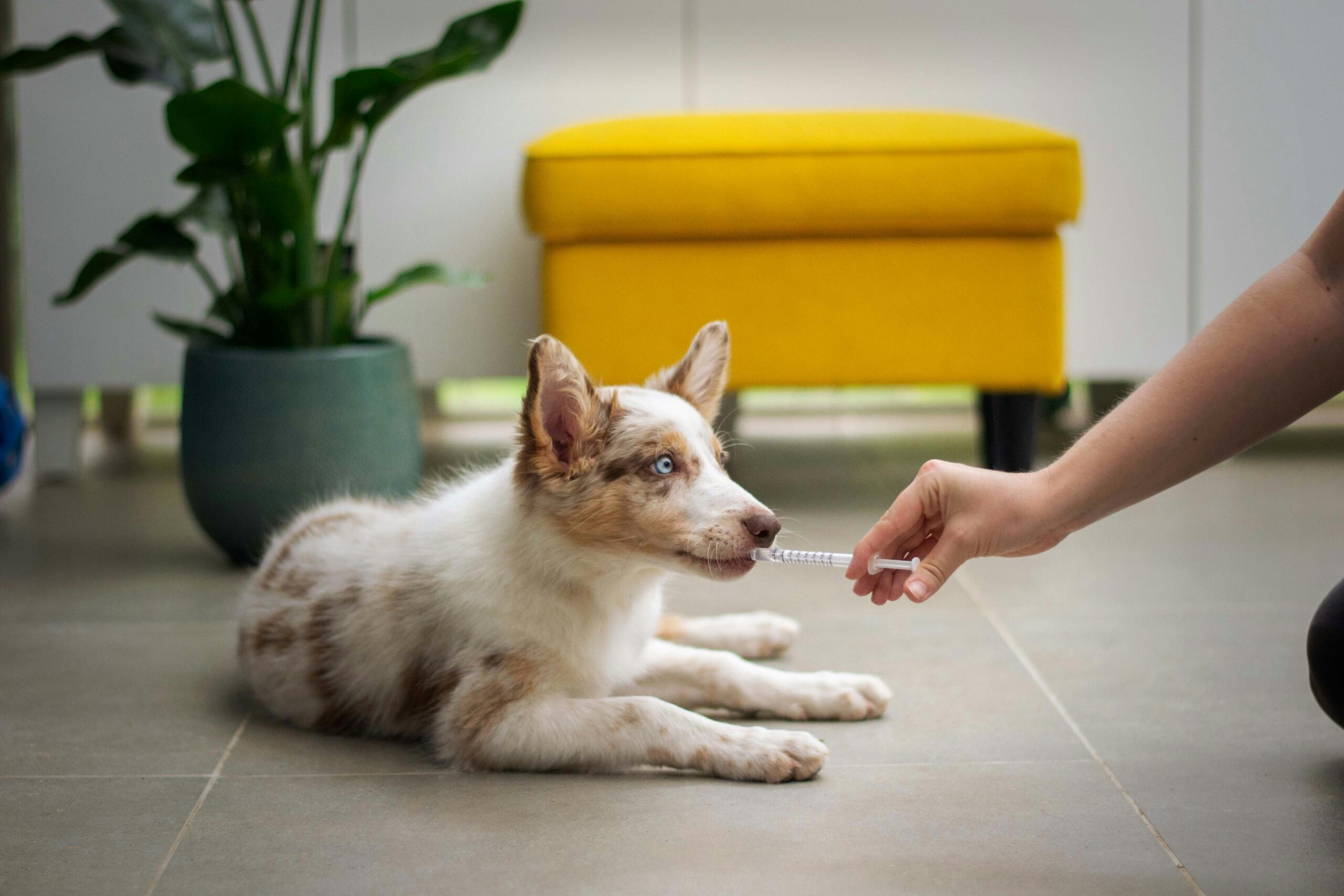
Making Veterinary Care Easier for Your Dog
Does your dog tremble when you arrive at the veterinary clinic? Pull away when someone touches their paws? Become nervous whenever the nail clippers appear?
These reactions are common, but they don’t have to define every future appointment.
Cooperative care training teaches dogs to participate voluntarily in grooming, handling, and routine veterinary procedures.
Instead of expecting a dog to tolerate everything without question, owners teach specific behaviors that help the dog understand what is happening and communicate when they need a break.
For Saratoga Springs dog owners, cooperative care can make routine health maintenance more manageable while strengthening communication and trust.
Key Takeaways
- Cooperative care encourages voluntary participation in routine handling.
- Dogs can learn to offer a chin rest or stand on a mat as a readiness signal.
- Desensitization and counterconditioning help create more comfortable experiences.
- Nail trims, ear checks, brushing, and mouth examinations can be practiced gradually.
- Dogs with severe fear or aggression may need veterinary and behavioral support.
- Emergency medical care should never be delayed while waiting for training progress.
What Is Cooperative Care Training?
Cooperative care is an approach to animal handling that emphasizes predictability, rewards, and opportunities to participate voluntarily.
A dog may learn to place its chin on an owner’s hand while the owner gently examines an ear.
If the dog lifts its chin, the owner pauses.
This is sometimes called a start-button behavior.
The dog learns that remaining in position allows the activity to continue and moving away can request a break.
These signals aren’t proof that a dog understands medical procedures the way a person does, but they provide useful communication during training.
Why Traditional Handling Can Be Difficult
Many dogs dislike having their paws restrained, ears manipulated, or mouths examined.
Some have experienced painful or frightening procedures.
Others simply haven’t learned that these interactions can be safe.
Forcing a frightened dog to remain still may increase distress and create safety risks.
Cooperative care introduces handling gradually, helping dogs become more comfortable before progressing to difficult tasks.
Step One: Build Comfort With Everyday Touch
Begin in a quiet room where your dog already feels relaxed.
Choose a reward your dog enjoys.
Touch your dog’s shoulder briefly, then reward.
If your dog remains comfortable, gradually work toward the leg, paw, and individual toes.
For ear handling, begin by touching the side of the head before gently approaching the ear.
For mouth handling, reward allowing a brief touch near the muzzle before progressing toward lifting the lip.
Watch your dog’s body language throughout.
If your dog pulls away, stiffens, freezes, or appears distressed, stop and return to an easier step.
Step Two: Teach the Chin-Rest Exercise
A chin rest is one of the most useful cooperative care behaviors.
How to Teach It
- Hold your open palm at a comfortable height near your dog’s chin.
- Reward any voluntary interest or contact.
- Gradually reward the dog for placing its chin fully on your hand.
- Build the duration from a brief moment to several seconds.
- Introduce a cue such as “chin” once the behavior is consistent.
- Add very gentle handling while your dog maintains the position.
If your dog lifts its chin, pause the handling.
The goal is to make the signal meaningful.
Step Three: Introduce Grooming Tools Gradually
Dogs may react to nail clippers, brushes, toothbrushes, and other grooming tools because they are unfamiliar or associated with unpleasant experiences.
Begin by placing the tool nearby.
Reward your dog for calmly noticing it.
Then gradually practice holding the tool, moving it, and bringing it closer.
For nail trimming, progress from touching the paw to touching a nail with the closed clippers.
Only attempt trimming when your dog is comfortable and you understand safe nail-trimming technique.
For some dogs, trimming one nail during a session is a meaningful success.
Step Four: Practice Cooperative Veterinary Skills
Routine veterinary care often involves several forms of handling.
You can help your dog prepare by practicing:
- Standing comfortably on a mat
- Remaining relaxed during gentle body examination
- Allowing brief ear checks
- Accepting a gentle lip lift
- Stepping onto a stable scale
- Holding a chin-rest position
Keep each exercise short and predictable.
Avoid combining several new challenges in one session.
Step Five: Arrange Positive Clinic Visits
Ask your Saratoga-area veterinary clinic whether they allow short, nonmedical visits.
Sometimes called happy visits, these appointments may involve entering the lobby, receiving treats, and leaving without an examination.
Begin with whatever level your dog can handle comfortably.
For a nervous dog, simply approaching the building may be enough for the first visit.
Gradually work toward entering the clinic, stepping on a scale, and interacting calmly with staff.
Always coordinate these visits with the clinic in advance.
What About Muzzle Training?
A properly fitted basket muzzle can be a valuable safety tool.
Dogs can learn to place their noses into a muzzle voluntarily through reward-based training.
Begin by rewarding investigation of the muzzle.
Then reward brief nose entry without fastening the straps.
Gradually build toward comfortable wearing.
A suitable basket muzzle should allow adequate panting and access to water and rewards.
Muzzles should not be forced onto frightened dogs during practice.
For dogs with bite histories, seek qualified professional guidance.
Cooperative Care for Puppies Versus Adult Dogs
Puppies can begin with gentle, age-appropriate handling and positive experiences.
Adult dogs can also learn these skills, including those with limited previous training.
Dogs with significant fear may need smaller steps and a longer timeline.
There is no universal schedule.
Progress depends on the individual dog’s history, comfort, and response.
When Training Isn’t Enough
If your dog growls, snaps, panics, or cannot tolerate necessary care, consult your veterinarian.
Pain or illness may be contributing to the reaction.
Veterinary professionals may recommend medication, sedation, or specialized handling when appropriate.
Necessary treatment should never be withheld because a dog hasn’t mastered cooperative care.
Professional Dog Training in Saratoga Springs
Off Leash K9 Training helps Saratoga-area owners strengthen communication, obedience, and everyday handling skills.
Cooperative care exercises can complement structured training by teaching dogs how to participate more comfortably in routine care.
Phone: 518-788-9487
Email: [email protected]
Frequently Asked Questions
Can cooperative care help a dog afraid of the veterinarian?
Yes. Gradual exposure and reward-based handling may help improve comfort, although severe fear may require veterinary support.
How long does chin-rest training take?
Some dogs learn the basic behavior quickly, but reliable participation during handling can require weeks or longer.
Should I continue handling if my dog lifts its chin?
During cooperative care practice, lifting the chin should signal a pause.
Can older dogs learn cooperative care?
Yes. Adult and senior dogs can learn, with exercises adjusted for comfort and mobility.
What if my dog needs urgent veterinary treatment?
Contact your veterinarian immediately. Emergency care takes priority over voluntary training exercises.