Are Bones Safe for Dogs? Know the Risks
To Bone or Not to Bone? That Is the Question.
It’s one of the most debated topics among dog owners: Are bones safe for dogs to chew on? While the image of a happy dog gnawing on a big bone is iconic, the reality is that not all bones are safe—and some can pose serious health risks.
Before handing your dog a leftover rib or buying a big marrow bone at the pet store, it’s essential to understand the pros, cons, and alternatives. In this post, we’ll explore the potential dangers of bones, how to reduce risk, and whether they’re worth the chew.
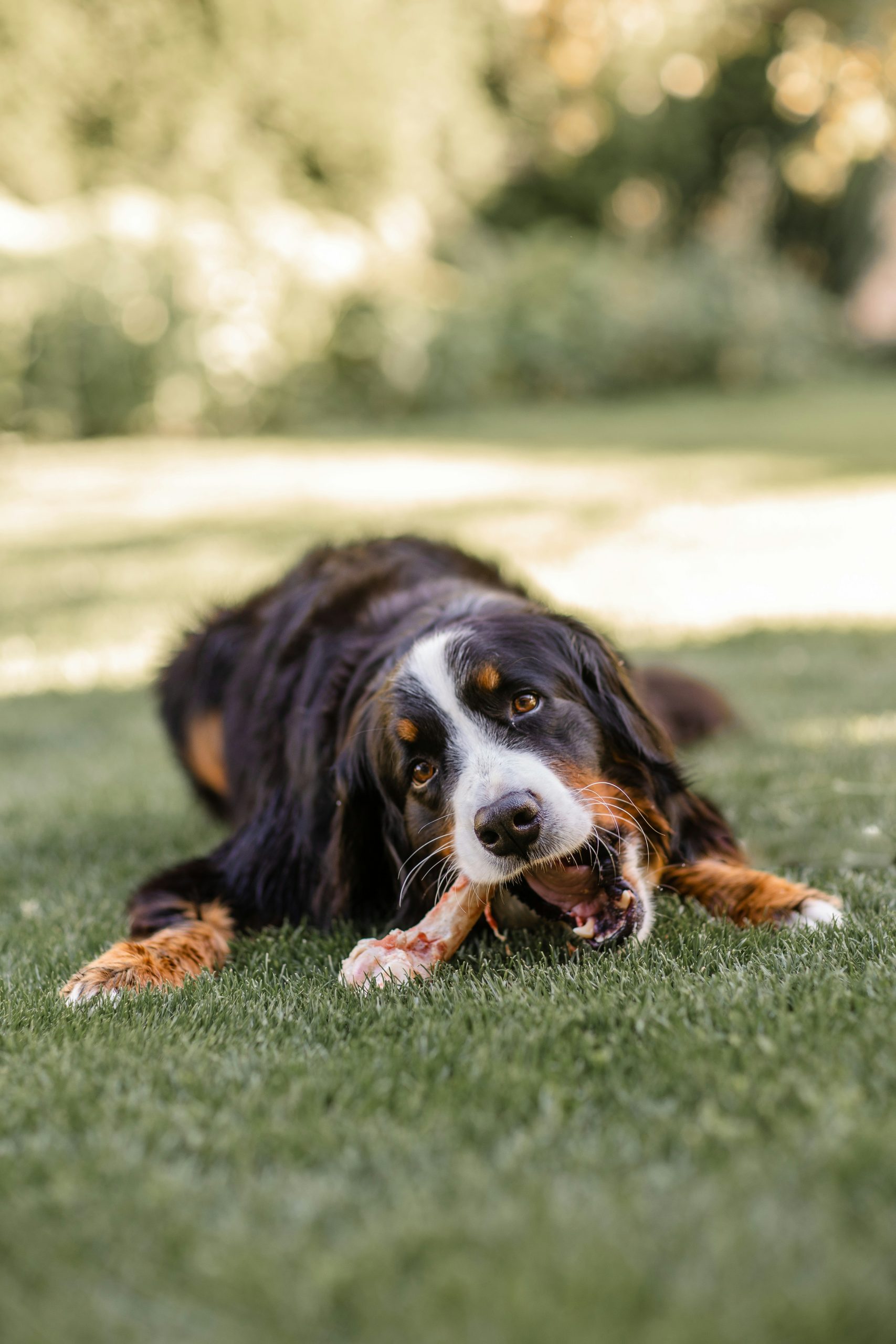
Why Dogs Love Bones
Dogs are natural chewers. Bones can:
-
Satisfy the chewing instinct
-
Help scrape plaque and tartar from teeth
-
Relieve boredom and reduce anxiety
-
Provide a sense of satisfaction
But while dogs may love bones, not every bone loves them back. The wrong kind of bone—or even the right kind in the wrong situation—can cause injury, illness, or emergency vet visits.
The Main Risks of Bones for Dogs
Here’s what you need to watch out for when offering bones:
1. Choking Hazards
Small bone fragments or pieces that break off can become lodged in your dog’s throat, blocking the airway or causing gagging and panic.
2. Internal Injuries
If swallowed, sharp bone pieces can puncture the stomach, intestines, or esophagus, leading to internal bleeding or life-threatening infections.
3. Intestinal Obstruction
Large pieces that don’t pass easily may cause a blockage in your dog’s digestive tract, requiring surgery.
4. Tooth Fractures
Hard bones like femur or marrow bones can crack or break teeth, especially in aggressive chewers. This often results in costly dental procedures.
5. Bacterial Contamination
Raw bones may carry salmonella, E. coli, or other harmful bacteria, putting both your dog and your household at risk.
Bones That Are Never Safe
Avoid giving your dog the following types of bones under any circumstance:
🚫 Cooked Bones
Cooking makes bones brittle and prone to splintering. This applies to:
-
Chicken wings or legs
-
Pork ribs
-
Cooked beef bones
🚫 Small or Hollow Bones
These are easier to splinter or swallow whole.
🚫 Bones with Sharp Edges or Jagged Cuts
They can injure the gums, throat, or GI tract.
🚫 Frozen Bones That Are Extremely Hard
Even raw bones, if frozen solid, can crack teeth or cause jaw injuries.
So… Are Any Bones Safe?
The answer depends on several factors:
-
The type of bone
-
Whether it’s raw or cooked
-
Your dog’s size, age, and chewing behavior
-
How closely you supervise the chewing session
Some veterinarians recommend raw bones under supervision, while others suggest avoiding bones altogether and using safer alternatives. If you’re considering offering bones, consult your vet first.
Signs a Bone Isn’t Going Well
🚨 If you notice any of the following while your dog is chewing a bone, remove it immediately:
-
Gagging or retching
-
Intense chewing with excessive force
-
Bleeding from the gums or mouth
-
Attempting to swallow large chunks
Also watch for post-chewing symptoms like:
-
Vomiting
-
Constipation or difficulty pooping
-
Lethargy or pain in the abdomen
-
Drooling or pawing at the mouth
Tips for Safer Bone Use (If You Choose to Give Them)
If you do decide to give your dog bones, follow these precautions:
✅ Choose raw, meaty bones from reputable pet supply stores
✅ Select a bone that’s larger than your dog’s head to avoid swallowing
✅ Offer bones no more than 1–2 times a week
✅ Limit chewing to 15–20 minutes at a time
✅ Always supervise your dog while they chew
✅ Discard bones once they dry out, become brittle, or show splintering
Safer Alternatives to Bones
There are many products that satisfy your dog’s chewing instinct without the same level of risk:
-
Rubber toys like KONGs
-
Dental chews designed to reduce plaque
-
Dehydrated treats like sweet potato slices
-
Nylon or durable chew toys made for your dog’s size
We’ll explore these more in-depth in Blog 4, but it’s worth noting that many modern alternatives provide just as much enjoyment with far less danger.
Conclusion: Know Before You Chew
Not all bones are bad, but they’re definitely not risk-free. As a responsible dog owner, it’s essential to weigh the pros and cons and make decisions based on your individual dog’s health, habits, and chewing style.
If you choose to offer bones, educate yourself, supervise closely, and always have a plan in case something goes wrong.