
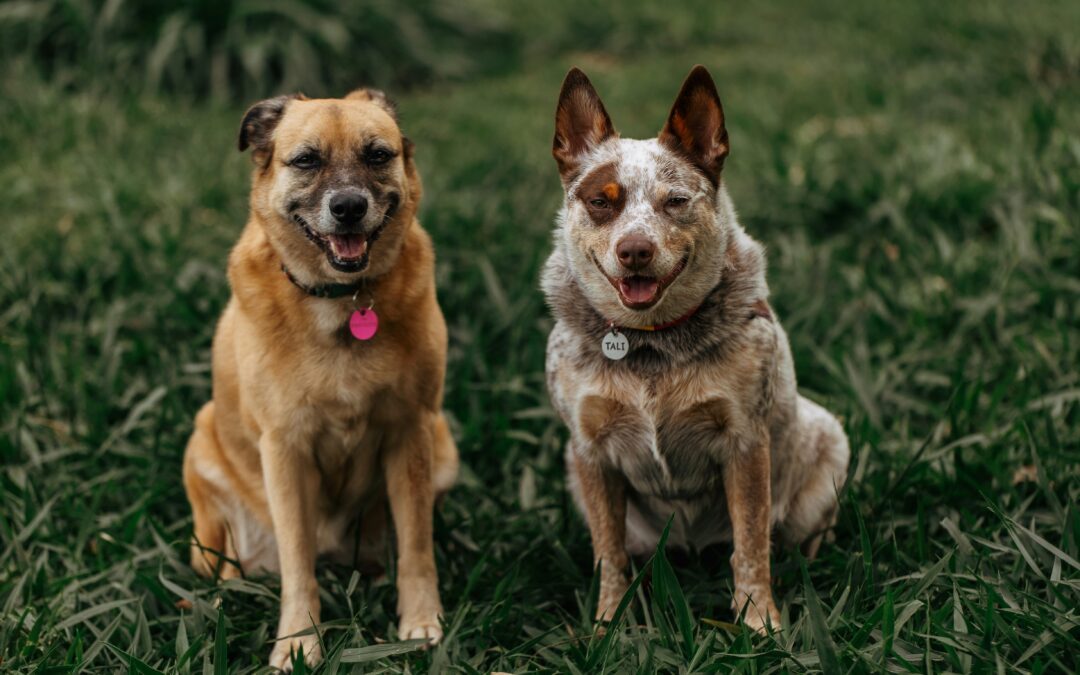
Understanding Dog Body Language Before Introductions
Introducing your dog to another dog starts long before the first sniff or tail wag. One of the most important skills a dog owner can develop is the ability to read canine body language. Dogs communicate primarily through posture, movement, facial expressions, and subtle signals that often go unnoticed by humans.
Understanding these signals before and during introductions helps prevent misunderstandings, reduces stress, and sets the foundation for positive interactions.
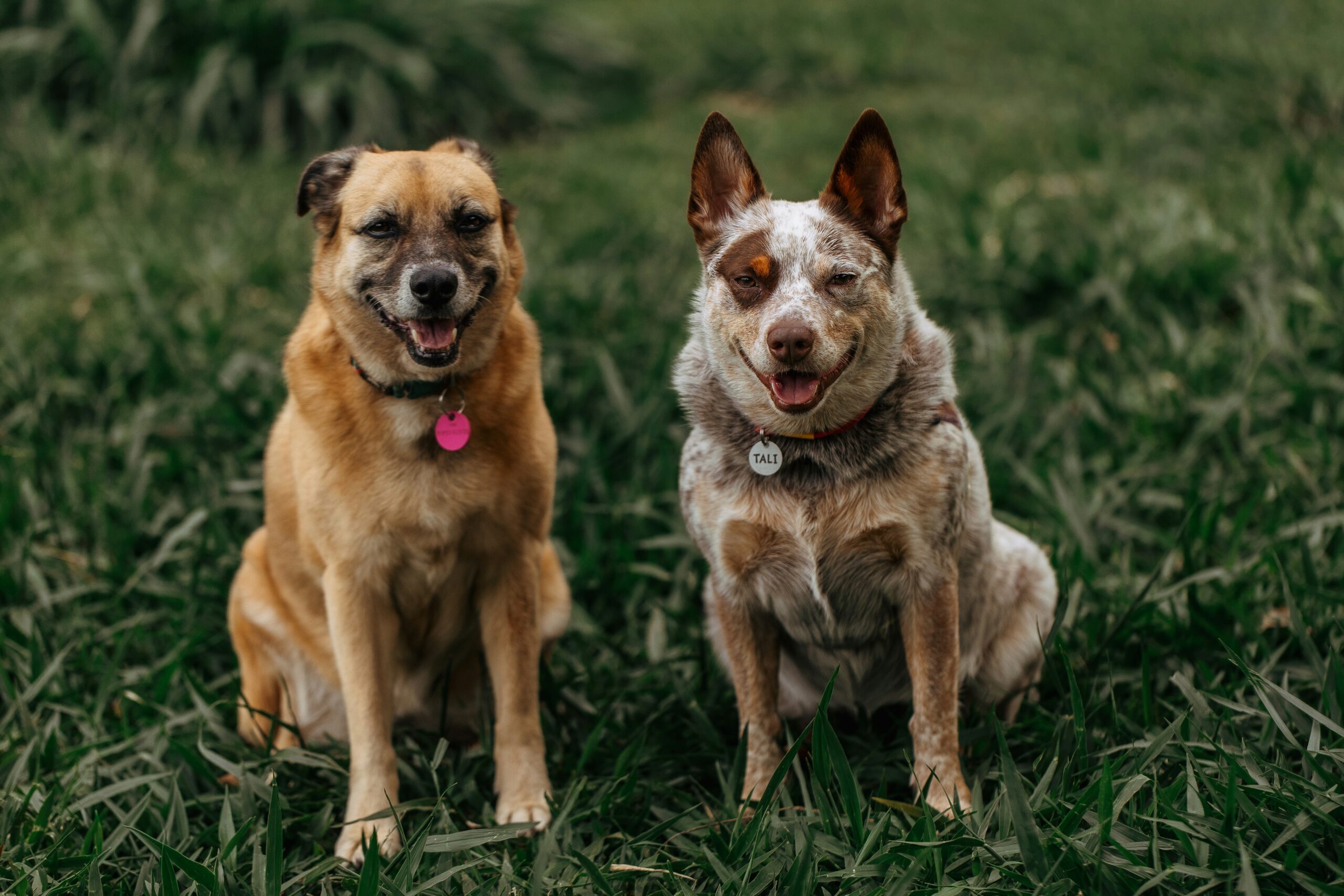
Why Body Language Matters During Introductions
Dogs don’t rely on verbal communication the way humans do. Instead, they constantly send and receive visual and physical cues. When these signals are misunderstood or ignored, tension can escalate quickly.
Reading body language allows you to:
-
Identify comfort or discomfort early
-
Intervene before conflict occurs
-
Support your dog’s emotional well-being
-
Build trust during social interactions
Successful introductions are about awareness, not force.
Signs of a Relaxed and Comfortable Dog
A relaxed dog is open to interaction and capable of making good social choices.
Common signs include:
-
Loose, wiggly body posture
-
Soft eyes and blinking
-
Neutral tail position with gentle movement
-
Relaxed mouth, sometimes slightly open
When dogs feel comfortable, their movements appear fluid rather than stiff or frozen.
Early Signs of Stress or Uncertainty
Stress signals often appear before obvious warning behaviors.
Watch for:
-
Lip licking or yawning outside of context
-
Turning the head away
-
Slow or hesitant movement
-
Paw lifting or sudden sniffing of the ground
These behaviors indicate your dog may need space or a slower approach.
 Warning Signals That Should Not Be Ignored

Some signals suggest a dog is overwhelmed or uncomfortable.
These include:
-
Stiff posture
-
Hard staring
-
Ears pinned back or rigid
-
Tail held high and still
-
Growling or snarling
These signs indicate it’s time to pause or end the interaction.
Understanding Play vs. Tension
Not all excitement is positive, and not all stillness is calm.
Healthy play often involves:
-
Play bows
-
Role reversals
-
Frequent pauses
Tension may appear as:
-
One-sided chasing
-
Mounting without breaks
-
Ignoring disengagement signals
Knowing the difference helps you advocate for your dog.
 How Human Energy Influences Dog Behavior
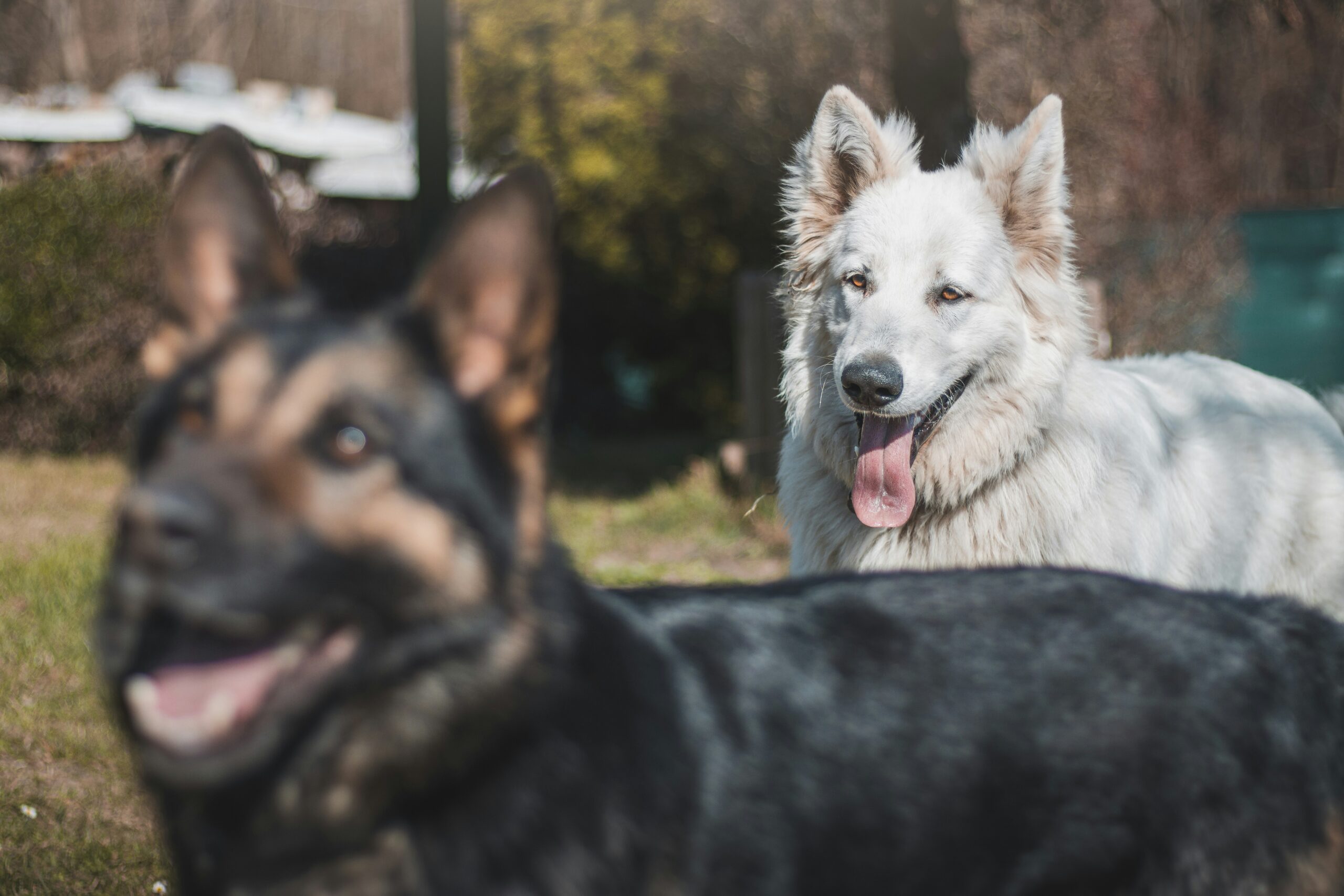
Dogs are incredibly sensitive to human emotions and body language.
During introductions:
-
Stay calm and relaxed
-
Avoid tight leash tension
-
Speak in a neutral, reassuring tone
Your confidence can help regulate your dog’s behavior.
Respect Individual Comfort Levels
Every dog has a unique personality, history, and tolerance for social interaction.
Some dogs:
-
Prefer slow introductions
-
Need more personal space
-
Enjoy parallel walking over face-to-face greetings
There is no one-size-fits-all approach.
Observation Builds Trust
When you consistently notice and respect your dog’s signals, they learn that you will advocate for their comfort. This trust makes future introductions smoother and more successful.
A Foundation for Positive Introductions
Understanding dog body language is the cornerstone of safe and successful introductions. When you learn to observe rather than rush interactions, you create an environment where dogs can communicate clearly and feel secure.