
Why Early Socialization Sets Dogs Up for Success
Bringing a new puppy into your life is a joyful experience, but it also comes with great responsibility. One of the most important things you can do for your puppy in those early weeks and months is to prioritize socialization. Early socialization is more than just a chance for your dog to meet new friends—it lays the foundation for how they interact with the world for the rest of their lives.
What Is Socialization?
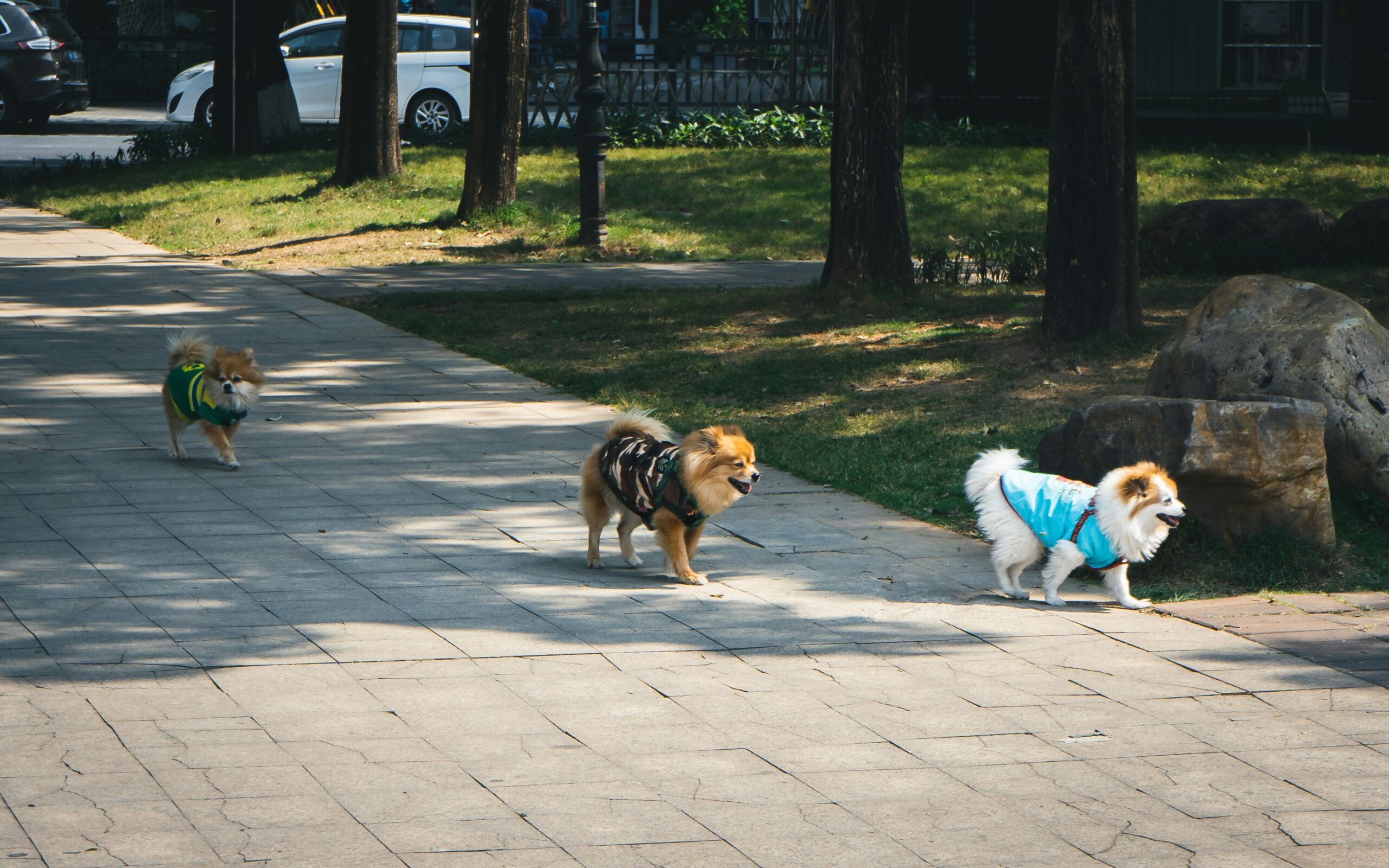
Socialization is the process of exposing your dog—particularly during their critical development period—to a variety of people, animals, environments, and experiences in a positive way. The goal is to help your puppy grow into a confident, well-behaved adult dog who is comfortable with everyday life situations.
The critical socialization window for puppies occurs between 3 and 14 weeks of age. During this time, puppies are particularly receptive to new experiences. After this window closes, they can still learn and adapt, but it becomes significantly harder to overcome fears and anxiety that have taken root.
Why Early Socialization Matters
1. Prevents Behavioral Problems
Dogs that are not properly socialized during puppyhood are at greater risk of developing fear-based behaviors like aggression, reactivity, or extreme shyness. These issues can make everyday activities stressful—for both the dog and the owner.
Socialized puppies learn how to behave appropriately with other dogs, people, and in different environments. This helps them grow into adaptable adults that are less likely to react negatively to new experiences.
2. Builds Confidence
A well-socialized puppy is exposed to many sights, sounds, textures, and smells during their formative period. This helps them become more resilient and confident. Whether it’s the sound of a vacuum, a trip to the vet, or encountering a child on a bicycle, these dogs are less likely to be fearful or anxious.
3. Improves Safety
A dog that is fearful or reactive can be a danger to themselves or others. Early socialization teaches dogs how to read and respond to social cues appropriately, reducing the likelihood of biting or defensive behaviors. A confident, calm dog is easier to handle and safer to have in public spaces.
4. Strengthens Your Bond
The process of socialization isn’t just about exposure—it’s about shared experiences. By guiding your puppy through new challenges and praising their progress, you create a strong bond built on trust and communication.
What Does Good Socialization Look Like?
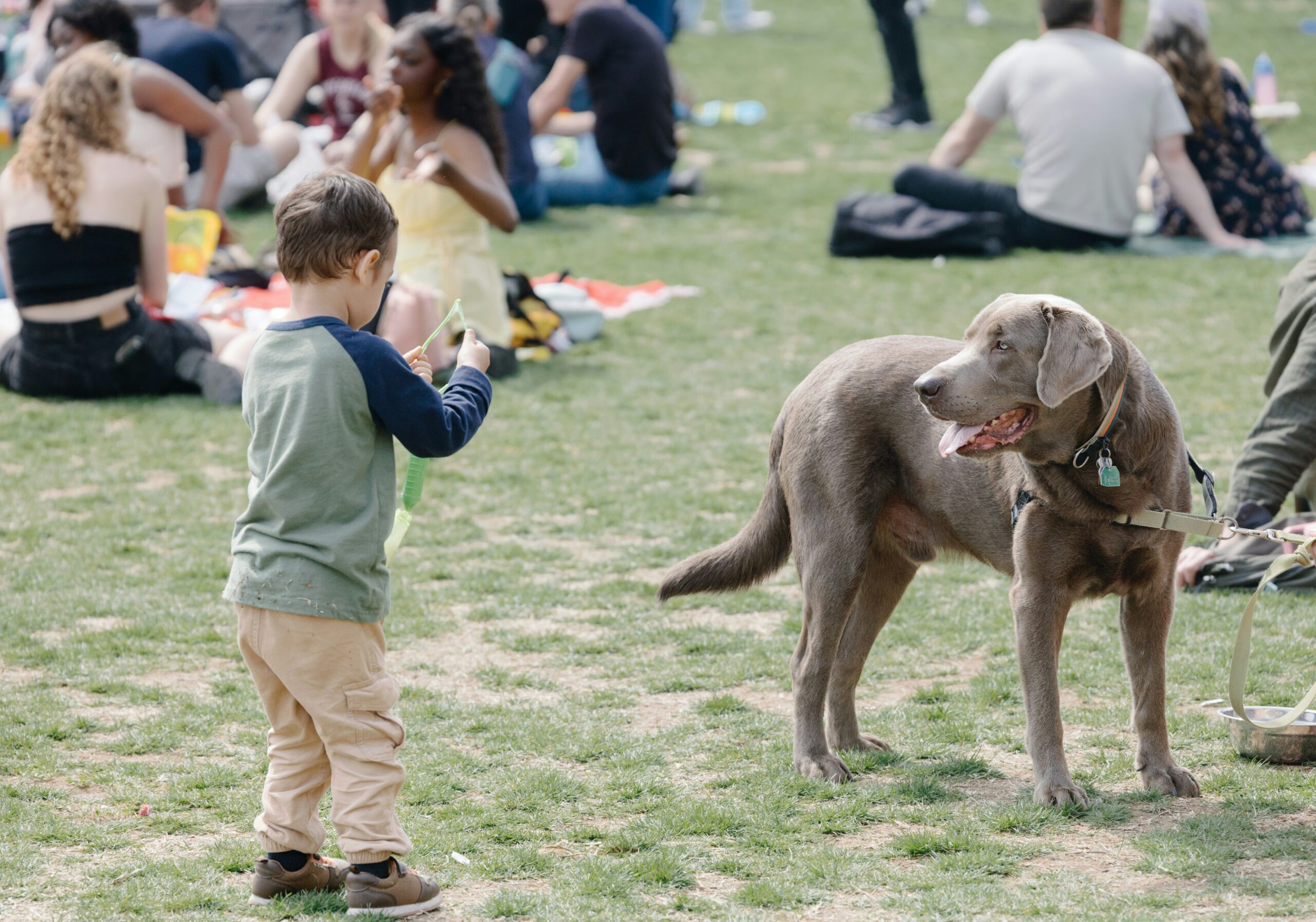 Socialization doesn’t mean throwing your puppy into a chaotic environment and hoping for the best. It should always be intentional, positive, and gradual. Some key experiences to include:
-
People: Men, women, children, people wearing hats or sunglasses, people using mobility aids.
-
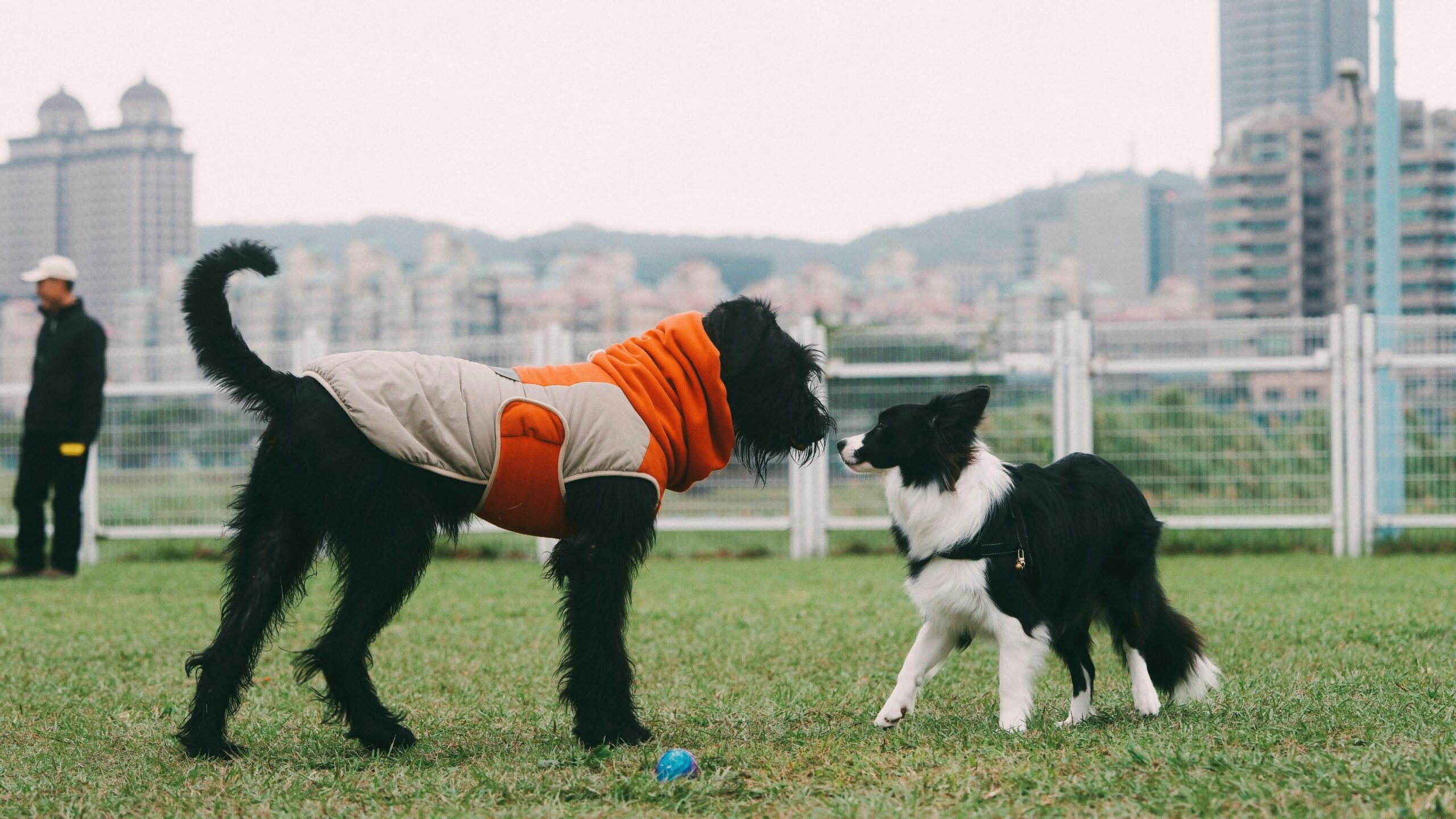
Animals: Other dogs (especially friendly, well-behaved ones), cats, and other pets in a controlled setting.
-
Environments: Busy streets, quiet parks, vet offices, pet stores, car rides.
-
Surfaces: Grass, gravel, wood floors, tile, stairs.
-
Sounds: Vacuum cleaners, traffic, doorbells, thunderstorms, music.
The goal is to create positive associations with these experiences. Use treats, praise, and patience. If your puppy shows fear, don’t force it. Instead, retreat to a distance where they feel safe and try again another time.
What Happens If You Miss the Socialization Window?
Not all dogs get the benefit of early socialization—particularly rescues or those from less-than-ideal backgrounds. While it’s harder to socialize a dog after the 14-week window, it’s not impossible. It just takes more time, consistency, and in some cases, the help of a professional trainer or behaviorist.
Getting Started with Socialization
Here are a few tips to get you started:
 Start Small: Don’t overwhelm your puppy. Begin with one new person or place at a time.
-
Use Positive Reinforcement: Treats and praise can help your puppy associate new experiences with good feelings.
-
Be Consistent: Frequent, ongoing exposure to different situations is key.
-
Read Their Body Language: Watch for signs of stress such as yawning, tail tucking, or lip licking. Give your puppy space if they need it.
-
Join a Puppy Class: A structured environment with other puppies and experienced trainers is a great way to socialize safely.
Final Thoughts
Early socialization is one of the most powerful tools you have to raise a healthy, well-adjusted dog. While it requires time and effort during your puppy’s most formative weeks, the benefits will last a lifetime. From better behavior to improved confidence, a socialized dog is happier, safer, and easier to live with.
Whether you’re a first-time dog owner or a seasoned pup parent, don’t underestimate the power of early exposure. It could be the difference between a fearful, reactive dog and a calm, happy companion.