
The Superpower of a Dog’s Nose
Dogs have an incredible gift—one that’s often underappreciated by humans: their nose. While we rely heavily on our eyesight to understand the world, dogs use their nose as their primary sense. To them, every sniff is like reading a page in a book, filled with detailed information we can’t even begin to perceive.
What Makes a Dog’s Nose So Powerful?
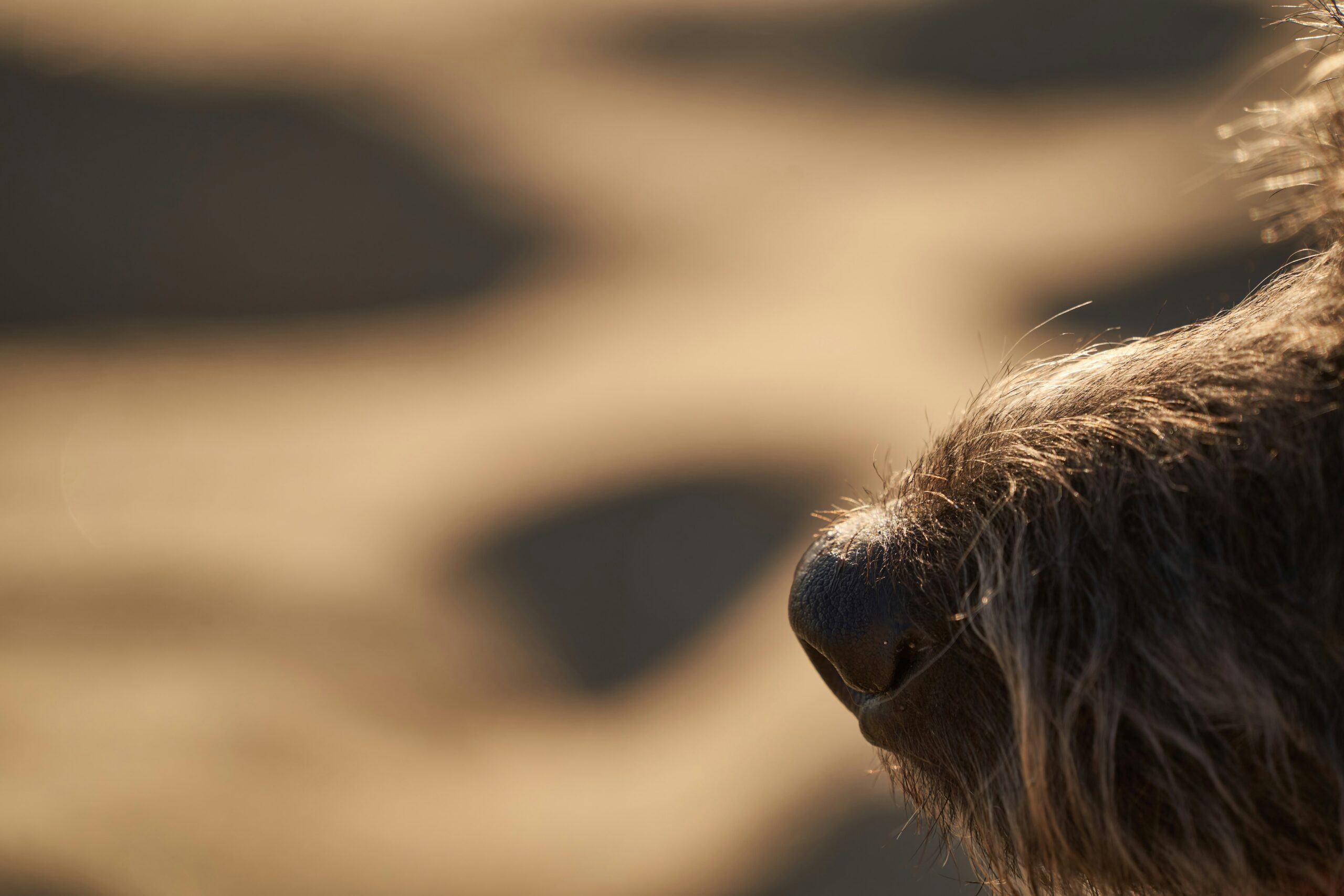
A dog’s sense of smell is estimated to be between 10,000 to 100,000 times more sensitive than ours. That means if we can detect the scent of a teaspoon of sugar in a cup of tea, a dog could smell that same teaspoon in a million-gallon lake.
Here’s why their noses are such powerful tools:
1. Olfactory Receptors Galore
Humans have about 5–6 million olfactory receptors in our noses. Dogs? Depending on the breed, they have up to 300 million. Bloodhounds, for instance, are known for their unrivaled tracking abilities, thanks to their high receptor count.
2. Specialized Nasal Structure
A dog’s nose is designed to sniff efficiently. When a dog inhales, the air splits into two separate flows—one for breathing and the other for smelling. This allows them to analyze scents without disrupting their normal respiration.
3. Jacobsen’s Organ
Also known as the vomeronasal organ, this special structure allows dogs to detect pheromones—chemical signals that carry information about other animals. This plays a huge role in social interactions, mating behavior, and identifying emotional states.
What Dogs Can Smell (That We Can’t)
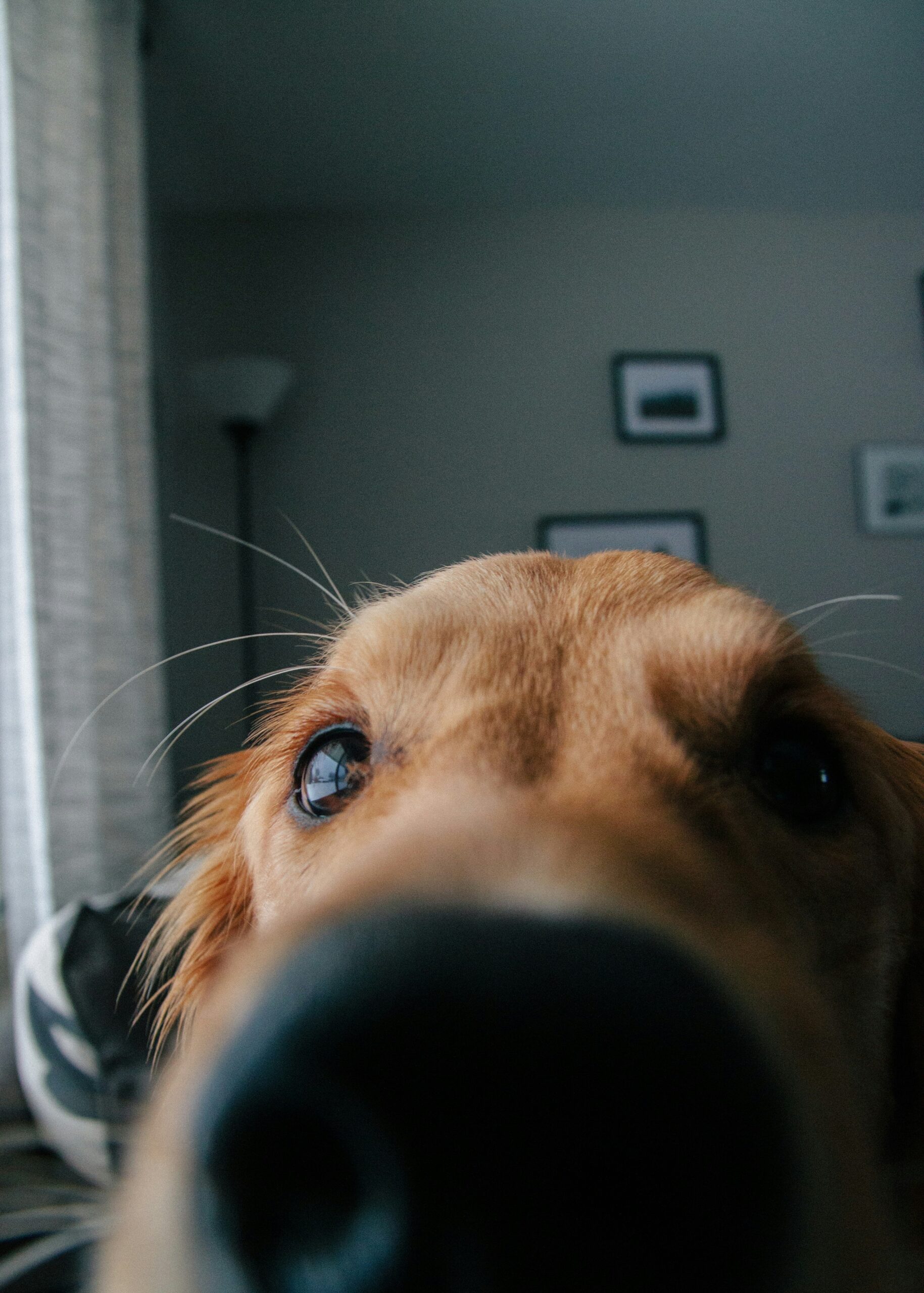 The range of what dogs can detect is nothing short of astounding. Their nose can pick up:
-
Human Emotions: Dogs can smell hormonal changes in our bodies, such as the rise in cortisol when we’re stressed or anxious.
-
Health Conditions: Certain dogs are trained to detect cancer, low blood sugar, or even upcoming seizures.
-
Time: Dogs can track how long ago a scent trail was left—essentially giving them a sense of time through smell.
-
Changes in Environment: Dogs can detect subtle shifts in the weather, natural gas leaks, or mold growth in homes.
Why Dogs Rely on Their Nose
To a dog, sniffing is more than just a habit—it’s essential. Here’s how they use their nose in daily life:
-
Navigation: Dogs rely on scent to identify people, find their way home, and learn about their surroundings.
-
Communication: Dogs greet each other and gather social information through sniffing, particularly around the face and rear.
-
Memory Storage: Scent is tied to memory. A dog can remember a specific person or location simply by its smell.
Breed Differences in Smelling Power
While all dogs have amazing noses, some breeds are true scent experts. Here are a few standouts:
-
Bloodhounds: With their wrinkly faces and droopy ears, they’re built to trap and analyze scent molecules.
-
Beagles: Small but mighty sniffers often used in scent detection work at airports.
-
German Shepherds: Popular in police and military work due to their trainability and scent accuracy.
-
Labrador Retrievers: Favored for service work, including detecting medical issues and tracking scents.
A Nose That Never Forgets
One of the most remarkable traits of a dog’s nose is its connection to memory. When a dog smells something—or someone—they’re forming a lasting impression. That’s why dogs can recognize an old friend years later through scent alone, even if they don’t look the same.
Let Your Dog Sniff!
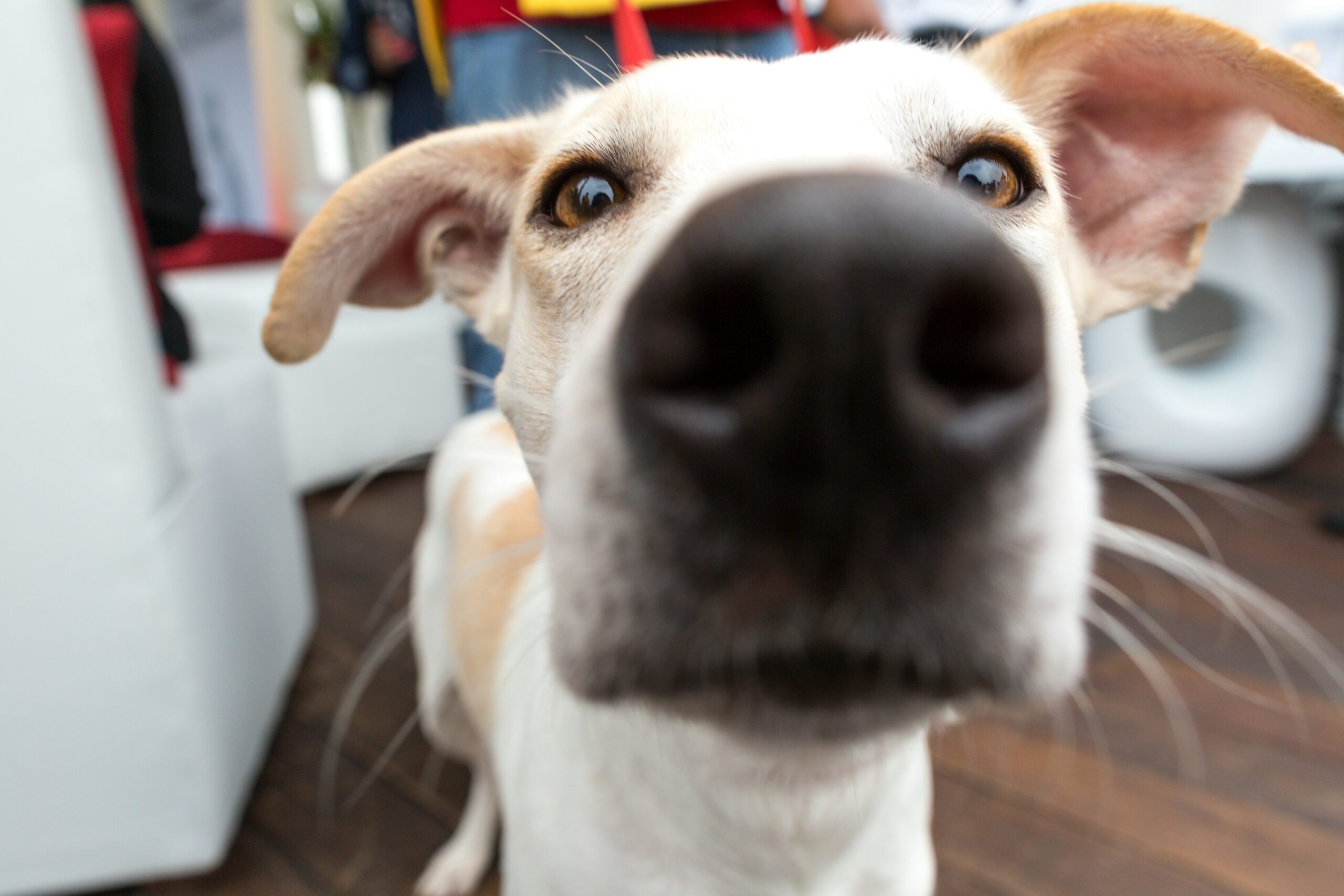
Many dog owners hurry their pets along during walks, unaware that sniffing is one of the best things for their mental health. It stimulates their brain, reduces stress, and satisfies natural instincts. Allowing your dog to stop and sniff is like letting them read the newspaper—it’s how they understand the world.
Final Thoughts
The dog nose is a marvel of nature—a tool for communication, safety, detection, and exploration. When you watch your dog pause and sniff the air, remember that they’re tapping into a world rich with scents and stories you can’t even begin to imagine.
Let them sniff. It’s not just enjoyable—it’s essential.