
Why Daily Walks Are Essential for Your Dog’s Health
Daily walks may seem like a routine part of dog ownership, but they’re one of the most valuable things you can do for your dog’s physical well-being. Regardless of age, breed, or size, every dog benefits from regular movement. Walks aren’t just about potty breaks—they’re vital to your dog’s long-term health.
Let’s explore how daily walks contribute to your dog’s fitness, prevent illness, and promote overall wellness.

1. Physical Exercise Keeps the Body in Motion
Just like people, dogs need exercise to stay fit. Walks are a low-impact way to keep your dog’s body working efficiently. Daily walking helps:
-
Maintain a healthy weight
-
Improve cardiovascular health
-
Strengthen muscles and joints
-
Increase stamina and flexibility
For dogs prone to obesity, like Labradors and Beagles, a structured walking schedule can be key in managing weight. Overweight dogs are more likely to suffer from diabetes, arthritis, and respiratory issues, but consistent exercise can reduce these risks significantly.
2. Supports Digestive and Urinary Health
Regular walks stimulate your dog’s digestive system and bladder. Dogs often need to eliminate waste shortly after physical activity. If your dog holds it in for too long, it can lead to urinary tract infections or constipation.
A consistent walking schedule teaches your dog when and where to relieve themselves while keeping their digestive health on track.
3. Promotes Healthy Aging
Daily walks are especially beneficial for senior dogs. While their pace might slow, the movement helps reduce stiffness, maintain muscle tone, and support joint mobility. Light walks also help prevent cognitive decline and keep older dogs mentally alert.
Short, gentle strolls can do wonders for an aging pup’s quality of life—helping them stay active longer and more comfortable in their bodies.

4. Builds Immunity and Reduces Disease Risk
Moderate exercise, like daily walking, can strengthen your dog’s immune system. Just as with humans, movement increases circulation, oxygenates tissues, and helps flush out toxins.
Active dogs are often less prone to chronic illness, have better appetite control, and sleep more soundly—leading to better recovery and cellular repair.
5. Burns Off Extra Energy
Dogs that don’t get enough physical activity can become bored and restless, which often translates into destructive behavior. Daily walks help release pent-up energy, making dogs calmer at home and less likely to chew furniture, bark excessively, or dig up the yard.
For high-energy breeds like Border Collies or Huskies, skipping walks can create anxiety and behavioral challenges. Even lower-energy dogs benefit from routine stimulation to stay balanced and well-adjusted.
6. It Benefits You, Too!
While the focus is on your pup, don’t forget—daily walks improve your own health as well. Walking with your dog can:
-
Increase your own physical activity levels
-
Lower stress and blood pressure
-
Strengthen your bond with your dog
-
Offer opportunities to enjoy fresh air and nature
A daily walk is a simple way to invest in both your well-being and your dog’s.
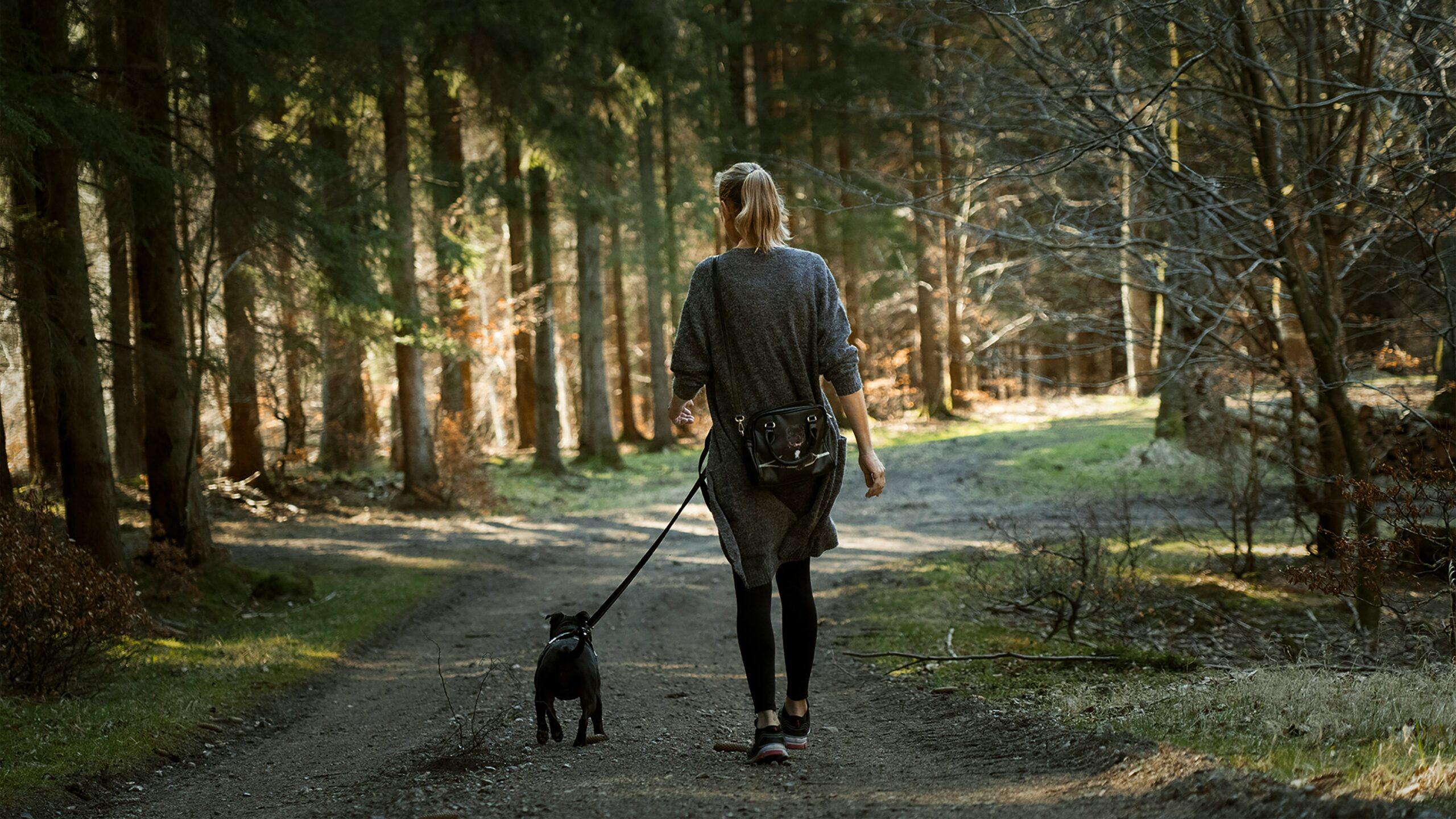
Tips to Make Daily Walks a Habit
-
Set a regular walking schedule (morning and evening work great for most families)
-
Choose safe, dog-friendly routes
-
Use a comfortable harness and leash
-
Bring water for hot days or long walks
-
Adjust pace and length based on your dog’s age and breed
Final Thoughts
Daily walks are one of the most underrated but impactful ways to support your dog’s health. From boosting physical fitness to aiding digestion and promoting longevity, these daily outings can greatly improve your dog’s quality of life.
So grab that leash, lace up your shoes, and enjoy the journey—one paw print at a time.