
Preparing Your Dog for Winter: The Basics
As the temperatures drop and the snow begins to fall, winter brings with it a new set of challenges for our four-legged friends. Dogs, just like humans, need extra care and preparation to stay safe and healthy during the colder months. From icy sidewalks to chilly winds, winter conditions can affect everything from your dog’s paws to their energy levels. Preparing your pup ahead of time ensures they’ll stay comfortable, happy, and ready to enjoy the season with you.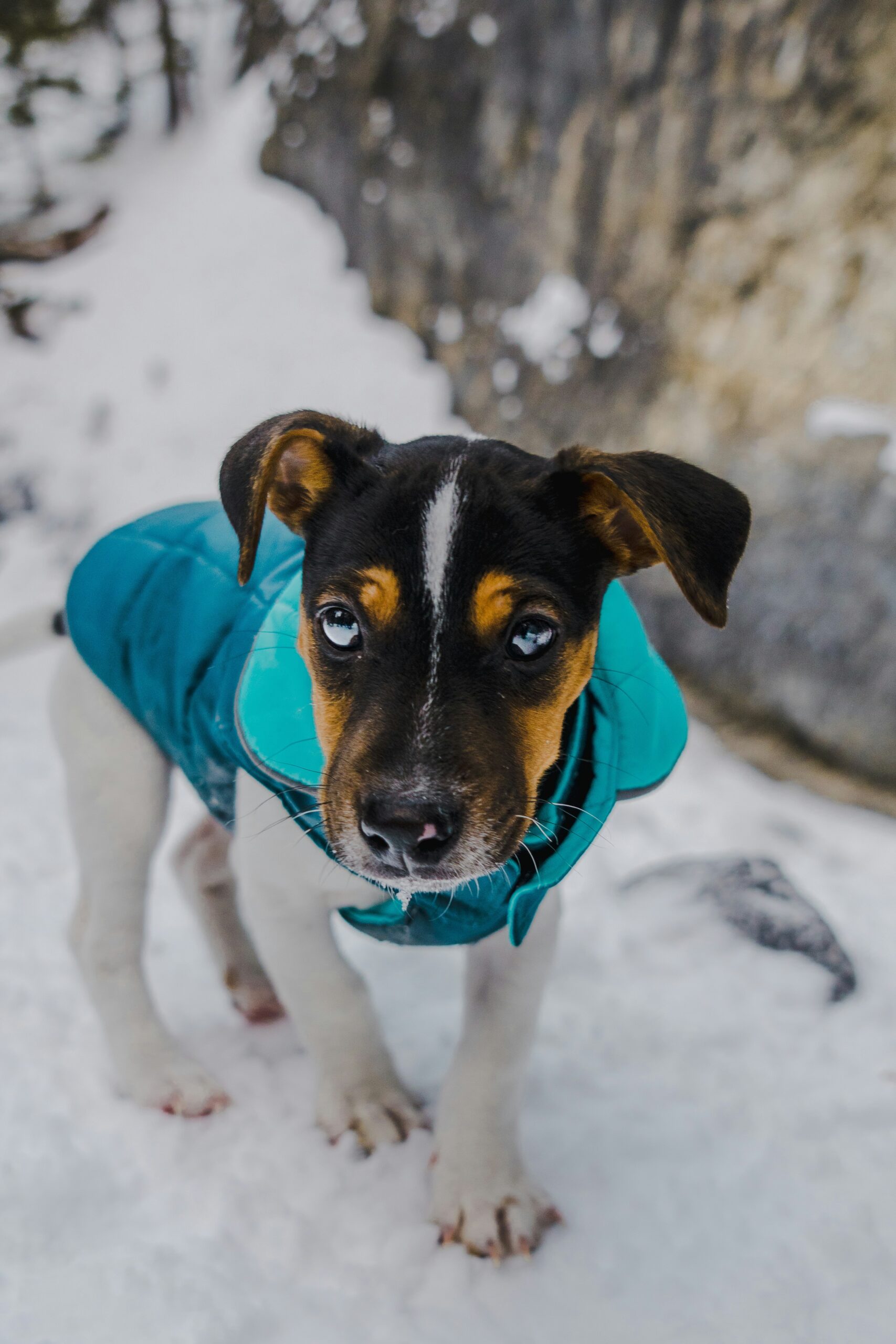
1. Winter Grooming Matters
While it may be tempting to let your dog’s coat grow out in the winter, proper grooming is still essential. Regular brushing prevents mats that can trap moisture and cause discomfort. Avoid shaving your dog too close to the skin, as their coat provides natural insulation against the cold.
-
Pro tip: Keep fur trimmed around paw pads to prevent ice buildup.
2. Nutrition Adjustments
Cold weather can increase your dog’s caloric needs, especially if they spend a lot of time outside. Active dogs may require more food in the winter to maintain their energy, while indoor pups may need their portions carefully managed to avoid winter weight gain.
-
Check with your vet before making major diet changes.
3. Protecting Those Paws
Salt, ice, and freezing ground surfaces are tough on dog paws. Cracked or irritated paw pads are common winter issues. Investing in dog booties can help, but paw balms and regular rinsing after walks are also effective ways to protect sensitive paws.
-
Bonus tip: Always wipe your dog’s feet after outdoor play to remove salt and chemicals.
4. Winter Safety Outside
Limit your dog’s exposure to extreme cold, especially for breeds that don’t tolerate low temperatures well. Always monitor your pup for signs of discomfort—shivering, lifting paws off the ground, or trying to head home early are clear indicators.
-
Tip: Short, frequent walks are better than long outings on especially frigid days.
5. Indoor Comfort Counts
Just because your dog spends most of their time inside doesn’t mean they’re unaffected by winter. Make sure they have a warm, draft-free sleeping spot with a cozy blanket or bed. Senior dogs, in particular, may benefit from orthopedic or heated beds to soothe stiff joints during cold months.
Conclusion
Preparing your dog for winter is about more than just bundling up—it’s about paying attention to their overall health, comfort, and safety. With proper grooming, paw care, nutrition adjustments, and safe indoor spaces, you’ll ensure your furry friend is ready to face the season happily by your side.