
Guardians of the Flock: The Heritage of Herding Dogs
Long before agility trials and obedience ribbons, herding dogs had one main job — to move and protect livestock. Across the fields of Scotland, the rugged hills of Wales, and farms around the world, dogs became indispensable partners for farmers and shepherds. Their sharp intelligence and tireless work ethic made them natural leaders among animals, capable of guiding flocks with precision and instinct that humans could never match alone.
Natural Born Problem Solvers
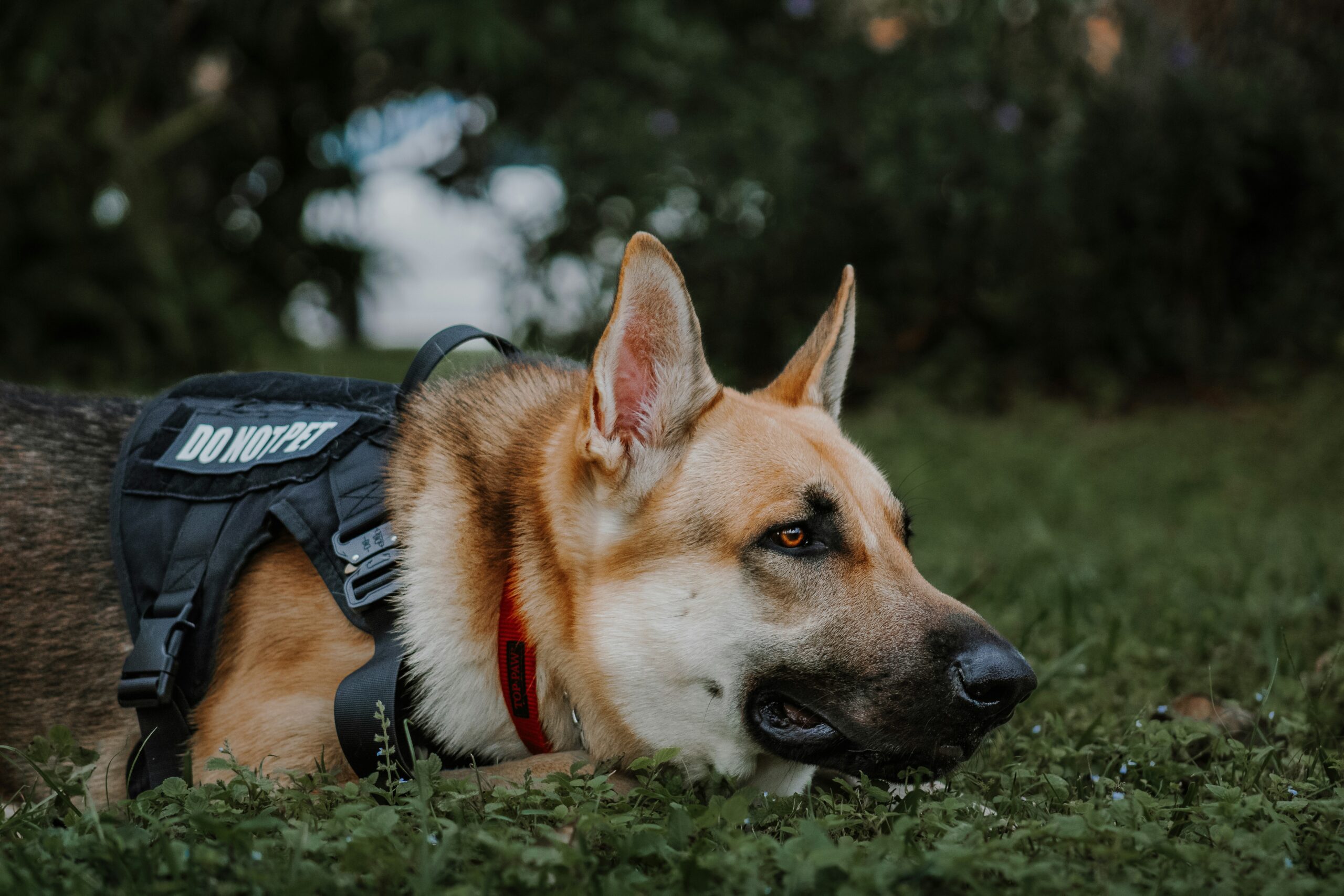
Herding dogs like the Border Collie, Australian Shepherd, and Old English Sheepdog aren’t just fast and agile — they’re thinkers. These breeds read body language, respond to subtle cues, and make real-time decisions based on what the animals are doing. Their intelligence often ranks among the highest of all dogs, which is why many need a “job” even as household pets. Without mental stimulation, their quick minds can get bored — and a bored herding dog tends to invent their own work (like herding your kids or cats).
 Teamwork at Its Finest
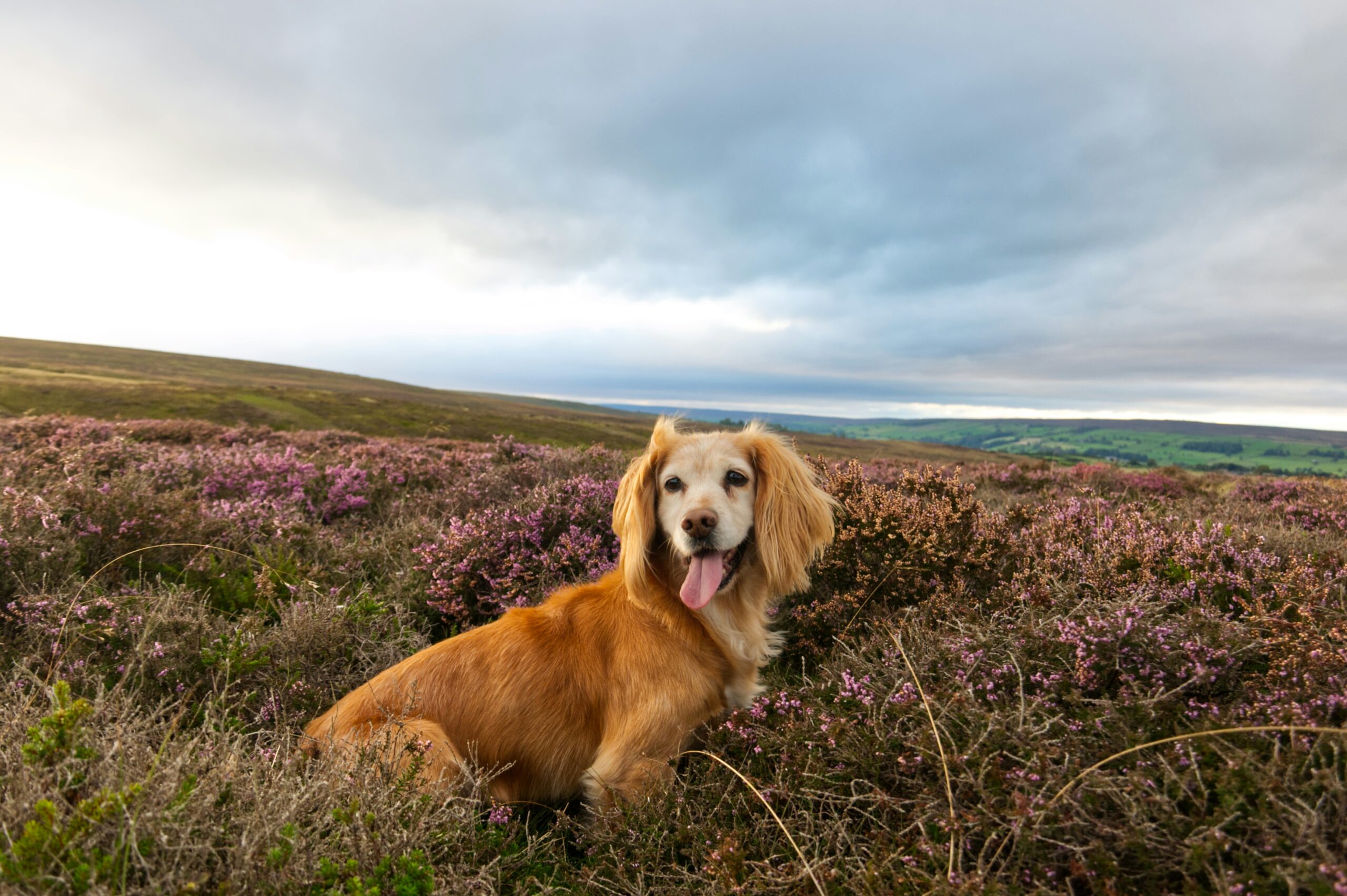
What makes herding dogs truly special is their bond with humans. Centuries of breeding have built an instinct to follow commands and anticipate needs. Farmers developed unique whistle codes or hand signals for different movements, and dogs would respond instantly, weaving through fields or circling sheep to bring them home. This teamwork remains a defining characteristic — a herding dog’s greatest reward isn’t a treat, but a job well done alongside their person.
Beyond the Pasture
While many herding breeds no longer live on farms, their instincts are still very much alive. Today, these dogs excel in agility competitions, obedience trials, and dog sports that challenge both brain and body. Herding events are also popular, allowing dogs to practice their ancestral skills on small flocks in a controlled environment. It’s incredible to watch: a single collie calmly circling sheep, guiding them with eye contact and posture alone.
 Modern Roles for Herding Dogs
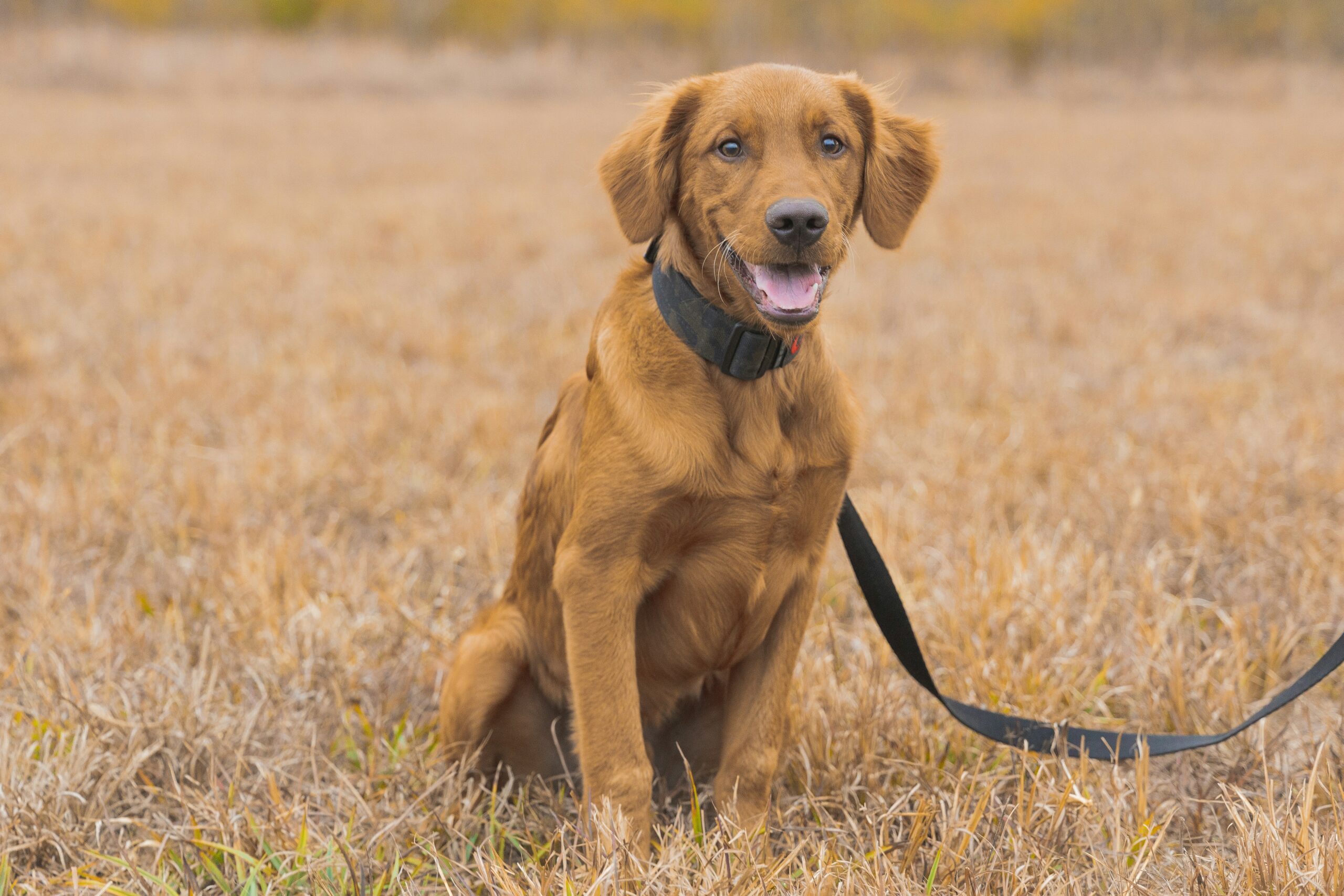
Because of their intelligence and trainability, herding breeds often take on modern working roles — from search and rescue to therapy work. Their problem-solving skills and emotional sensitivity make them well-suited to helping humans in many ways beyond livestock management.
Keeping Herding Breeds Happy at Home
If you share your life with a herding breed, the key is mental and physical engagement. Regular walks aren’t enough — they need purpose. Puzzle toys, scent work, and advanced obedience training can give them that sense of fulfillment. Many owners even join local herding clubs where their dogs can safely work sheep or ducks, satisfying generations of instinct.
An Ancient Partnership That Endures
Herding dogs remind us that intelligence and loyalty go hand in hand. These breeds are a living testament to what’s possible when humans and animals work together toward a shared goal. Whether rounding up sheep or chasing a ball at the park, herding dogs still carry the heart of the pasture — sharp, focused, and full of purpose.