

Supporting Joint Health in Senior Dogs
One of the first physical changes many owners notice in aging dogs is stiffness.
Maybe your dog takes a little longer to stand up after a nap.
Maybe stairs seem harder.
Maybe they hesitate before jumping into the car.
These small changes are often early signs that joints need extra support.
Joint health is one of the most important components of quality of life in senior dogs. When mobility declines, independence, confidence, and emotional well-being can decline with it.
The good news? There is a lot you can do to help.
 Why Joint Issues Are So Common in Senior Dogs

As dogs age, cartilage — the cushioning between joints — naturally wears down.
Over time, this can lead to:
-
Arthritis
-
Inflammation
-
Reduced range of motion
-
Muscle loss around joints
-
Discomfort during movement
Large breeds are especially prone, but any dog can experience joint degeneration.
It’s important to understand that arthritis is progressive — but manageable.
Early intervention makes a significant difference.
Subtle Signs of Joint Discomfort
Many dogs hide pain remarkably well.
Watch for:
-
Slower rising
-
Stiffness after rest
-
Decreased enthusiasm for walks
-
Avoiding stairs
-
Lagging behind on walks
-
Difficulty getting comfortable
-
Licking joints
-
Behavior changes (irritability or withdrawal)
These are not just “signs of getting old.” They are signals that support may be needed.
Weight Management: The #1 Priority
If there is one factor that dramatically affects joint health, it is body weight.
Extra pounds mean:
-
Increased joint pressure
-
Faster cartilage wear
-
More inflammation
-
Reduced mobility
Maintaining a lean body condition is one of the most powerful ways to improve comfort.
Even a small reduction in weight can significantly decrease strain on joints.
If your dog is overweight, work with your veterinarian to create a safe weight-loss plan.
Lean dogs move more comfortably — and live longer.
 The Role of Gentle Exercise
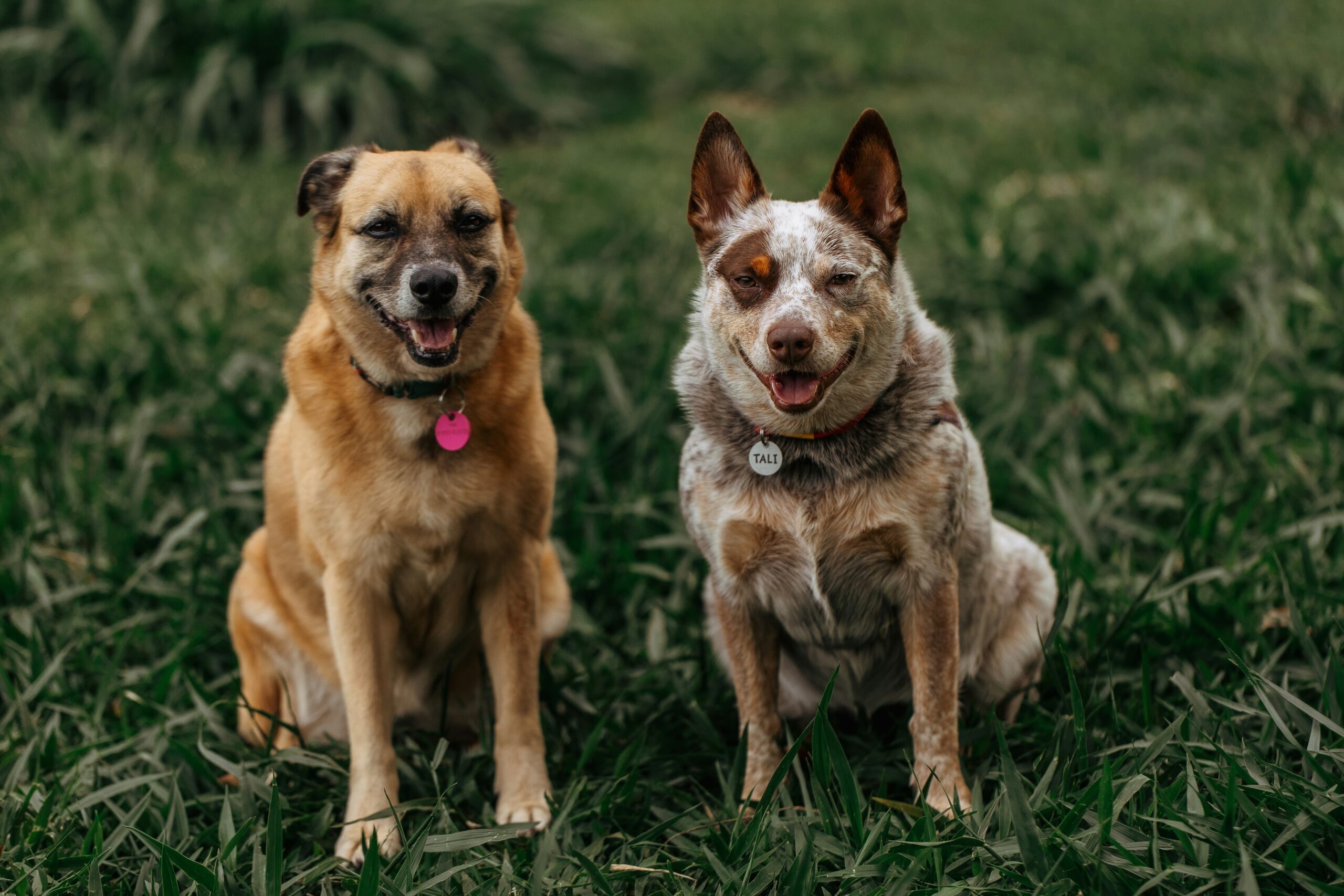
It may seem counterintuitive, but movement is critical for arthritic dogs.
Proper exercise:
-
Lubricates joints
-
Maintains muscle mass
-
Improves circulation
-
Reduces stiffness
-
Supports mental health
The key is low-impact, consistent activity.
Great options include:
-
Short, frequent walks
-
Swimming or hydrotherapy
-
Controlled leash walks on soft surfaces
-
Gentle stretching (vet-guided)
Avoid:
-
High-impact jumping
-
Rough play
-
Slippery surfaces
-
Long, intense hikes
Consistency matters more than intensity.
Creating a Joint-Friendly Home
Your home environment plays a huge role in mobility comfort.
Simple adjustments can make a big difference:
-
Orthopedic dog beds with memory foam
-
Ramps instead of stairs
-
Non-slip rugs on hardwood floors
-
Raised food and water bowls (if recommended)
-
Blocked access to steep staircases if needed
Slipping is not only uncomfortable — it increases injury risk.
Confidence in movement reduces anxiety.
Joint Supplements and Nutrition
There are several commonly recommended supplements for senior dogs, but always consult your veterinarian before starting anything new.
Common joint-support ingredients include:
-
Glucosamine
-
Chondroitin
-
MSM
-
Omega-3 fatty acids
-
Green-lipped mussel
-
Turmeric (vet-guided)
These may help:
-
Reduce inflammation
-
Support cartilage health
-
Improve comfort over time
Results are gradual — not immediate. Consistency is key.
Additionally, some senior-specific diets are formulated to support joint health and reduce inflammation.
Nutrition is part of the long-term plan.
Pain Management Matters
If joint discomfort progresses, veterinary pain management may be necessary.
Modern veterinary medicine offers safe and effective options, including:
-
Anti-inflammatory medications
-
Injectable joint therapies
-
Laser therapy
-
Physical therapy
-
Acupuncture
Pain is not something senior dogs should simply “live with.”
Comfort dramatically improves emotional well-being.
 The Emotional Impact of Mobility Changes

Mobility affects more than movement.
When dogs struggle physically, you may notice:
-
Reduced confidence
-
Hesitation in new environments
-
Increased clinginess
-
Withdrawal from activity
-
Irritability
Supporting joints supports emotional stability.
When dogs can move comfortably, they engage more freely with the world around them.
Adjusting Activities, Not Eliminating Them
One of the biggest mistakes owners make is drastically reducing activity out of fear.
Instead of stopping walks altogether, modify them.
Instead of eliminating play, adapt it.
Instead of long hikes, try shorter adventures with more sniff breaks.
Mental stimulation remains just as important as physical movement.
Your senior dog still wants to participate — just at a different pace.
Watch for Good Days and Bad Days
Arthritis often fluctuates.
Some days your dog may move easily.
Other days may be stiffer.
Pay attention to patterns:
-
Weather changes
-
Activity levels
-
Sleeping positions
-
Diet changes
Small observations help you make informed adjustments.
The Goal: Comfort and Independence
Mobility support isn’t about turning back time.
It’s about preserving dignity.
When senior dogs can:
-
Rise comfortably
-
Walk without strain
-
Rest without pain
-
Navigate their home safely
They retain independence and confidence.
And that independence is deeply tied to emotional well-being.
The Bottom Line
Joint health is one of the most important physical needs of aging dogs.
By focusing on:
-
Weight management
-
Gentle exercise
-
Supportive home environments
-
Proper nutrition
-
Proactive veterinary care
You give your dog more than mobility.
You give them comfort, confidence, and quality of life in their golden years.
And that is one of the greatest gifts you can offer.