

Pulling on the Leash Is a Training Problem
Walking your dog should feel enjoyable—not like a full-body workout.
But for many owners, walks involve:
- Pulling
- Lunging
- Zig-zagging
- Constant frustration
Leash pulling is one of the biggest signs a dog could benefit from obedience training.
And contrary to popular belief, dogs don’t “grow out of it” automatically.
 Why Dogs Pull on the Leash
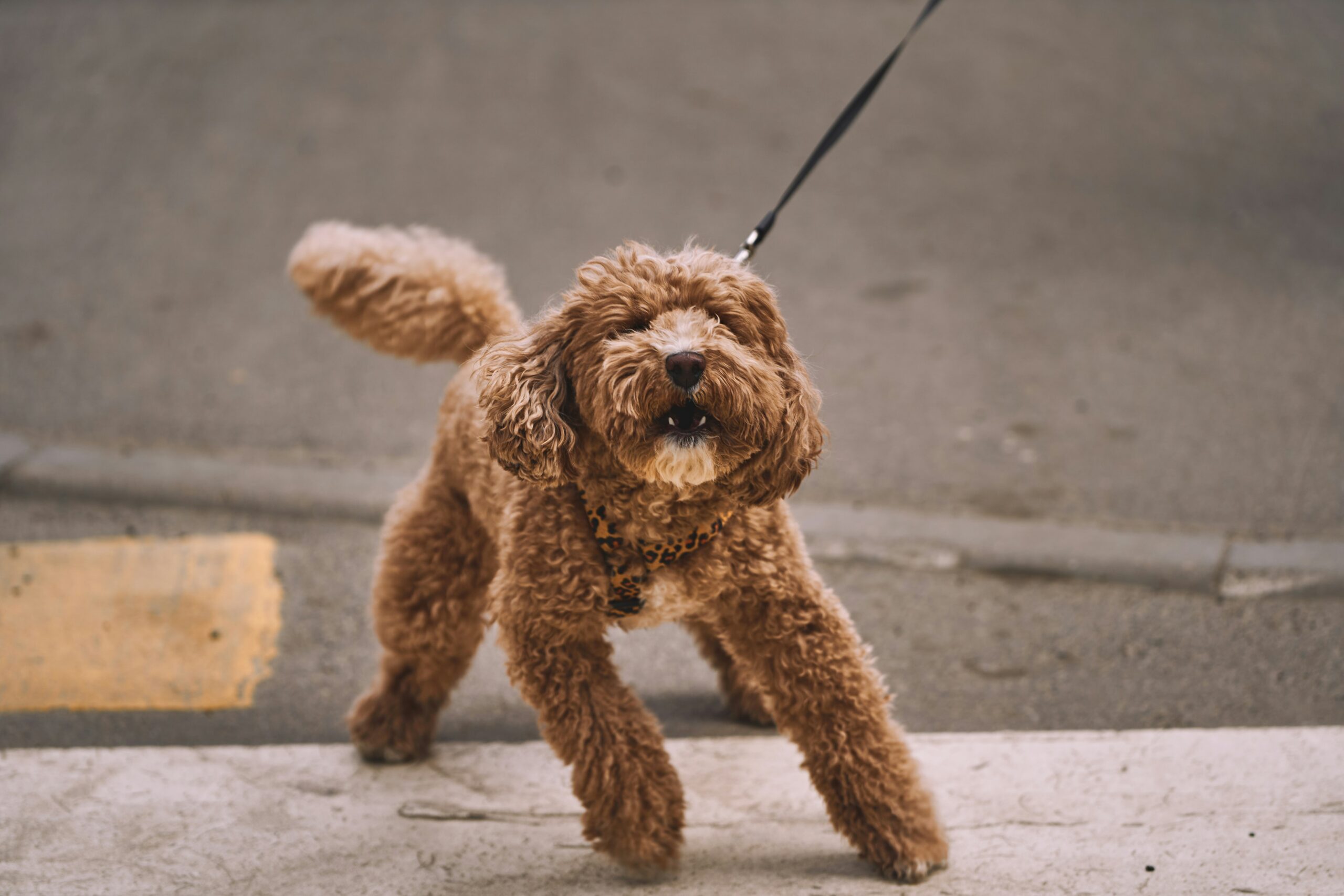
Dogs naturally move faster than humans.
Without guidance, they follow:
- Smells
- Excitement
- Distractions
- Impulses
If pulling consistently gets them where they want to go, the behavior becomes reinforced.
Why Pulling Matters
Leash pulling isn’t just annoying—it impacts:
- Safety
- Communication
- Focus
- Emotional regulation
Dogs that pull constantly are often mentally disconnected from their handler.
 Obedience Training Creates Engagement

Loose leash walking teaches dogs to:
- Pay attention
- Follow guidance
- Regulate excitement
- Walk calmly around distractions
It transforms walks into structured communication instead of chaos.
Signs Your Dog Needs More Leash Training
- Dragging you forward
- Lunging toward dogs or people
- Ignoring leash pressure
- Constant overstimulation on walks
These behaviors often point to gaps in obedience and impulse control.
The Goal Isn’t Perfection—It’s Connection
Great leash skills come from engagement, not force.
Your dog should learn:
“Paying attention to my handler is rewarding.”
Final Thoughts
Leash pulling is one of the clearest indicators that a dog needs better structure and obedience work.
And with consistency, walks can become calmer, safer, and far more enjoyable.