Decoding Dog Body Language
Dogs may not speak our language, but they’re constantly communicating. From a gentle wag of the tail to a subtle shift in body posture, dogs have a rich and nuanced way of expressing themselves. Understanding your dog’s body language can deepen your bond, help you respond appropriately to their needs, and prevent misunderstandings or unsafe situations.
In this blog, we’ll break down the key components of canine body language and what they mean—so you can become fluent in your dog’s unspoken language.
Why Body Language Matters
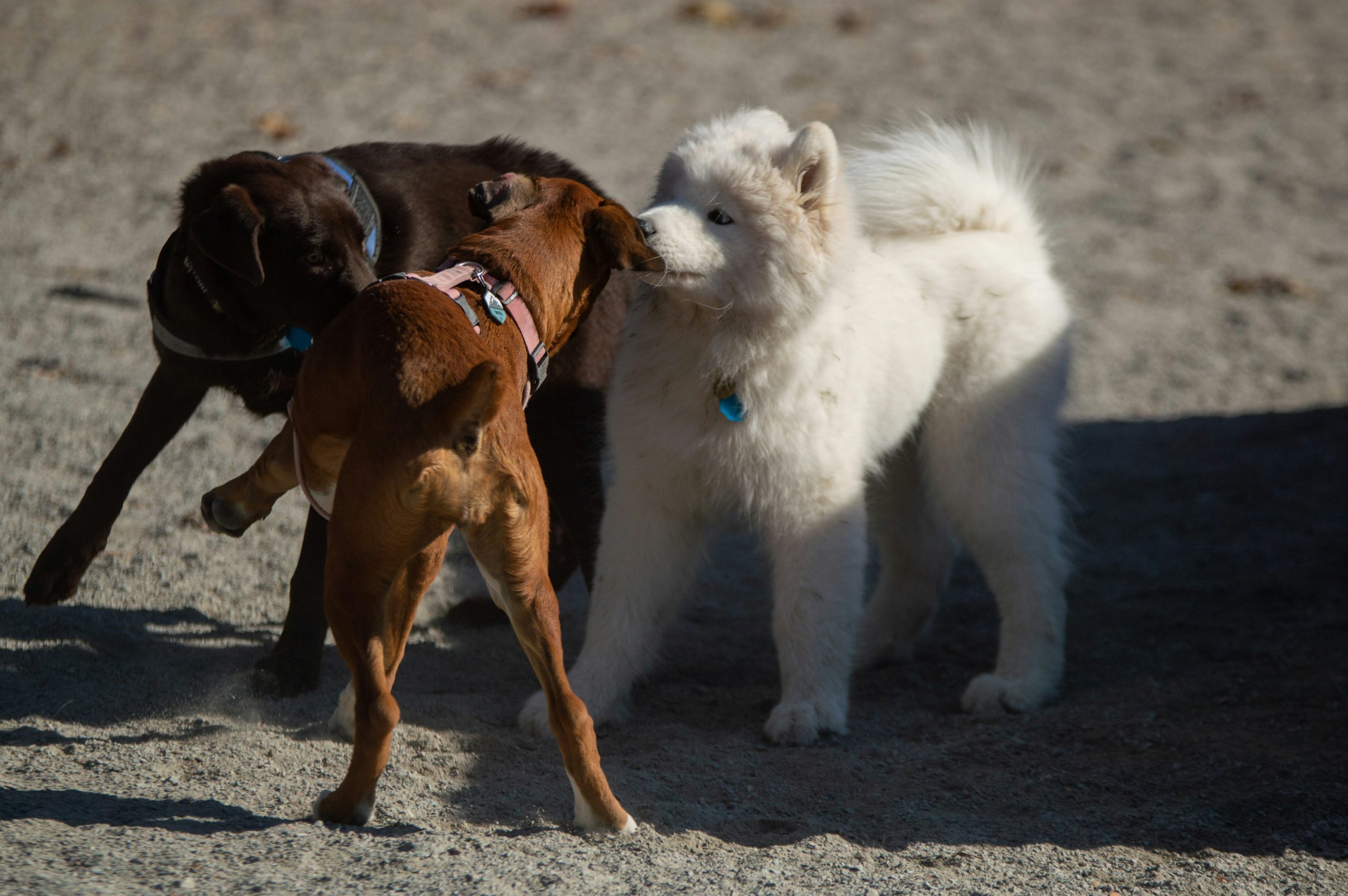
Body language is a dog’s first language. While vocalizations like barking and whining are important, the majority of a dog’s communication is nonverbal. By observing physical cues, we can better understand how dogs are feeling—whether they’re relaxed, anxious, playful, or fearful.
Recognizing these cues can:
-
Help you determine if your dog is stressed or comfortable
-
Improve training results through better timing and empathy
-
Strengthen your dog-human relationship
-
Prevent bites or altercations by identifying signs of fear or agitation early
Key Elements of Dog Body Language
1. Tail Position and Movement
The tail is one of the most expressive parts of a dog’s body. But a wagging tail doesn’t always mean a happy dog.
-
High and stiff tail: Alert or possibly aggressive
-
Low and tucked tail: Fearful, submissive, or anxious
-
Mid-height and gentle wag: Relaxed, friendly, or curious
-
Fast wag with tense body: Overstimulated, potentially uncomfortable
-
Loose, wide wag with relaxed body: Friendly and happy
2. Ears
Dogs’ ears are like mood indicators. Different breeds have different ear types, but movement is still meaningful.
-
Erect and forward: Alert, curious, or possibly aggressive
-
Pinned back: Fear, submission, or stress
-
Relaxed and neutral: Calm and content
3. Eyes
A dog’s eyes can reveal a lot.
-
Soft, relaxed eyes: Comfortable and content
-
Hard stare: Threatening or feeling challenged
-
Whale eye (showing the whites): Fearful or stressed
-
Blinking or squinting: Submissive or calming gesture
4. Mouth and Facial Expressions
-
Relaxed, open mouth: Happy and comfortable
-
Closed mouth with tight lips: Anxious or alert
-
Lips pulled back with teeth showing (no growl): Nervous, warning
-
Growling or baring teeth: Defensive or aggressive
5. Body Posture
-
Loose, wiggly body: Playful and relaxed
-
Stiff, frozen stance: Alert or threatened
-
Lowered body/crouching: Fearful or submissive
-
Rolling over and exposing belly: Submission, trust, or request for a belly rub (context matters)
6. Hackles (raised fur along the back)
Piloerection (raised hackles) indicates arousal—it could mean fear, excitement, or aggression. It’s not always bad, but it signals heightened emotion.
Putting It All Together
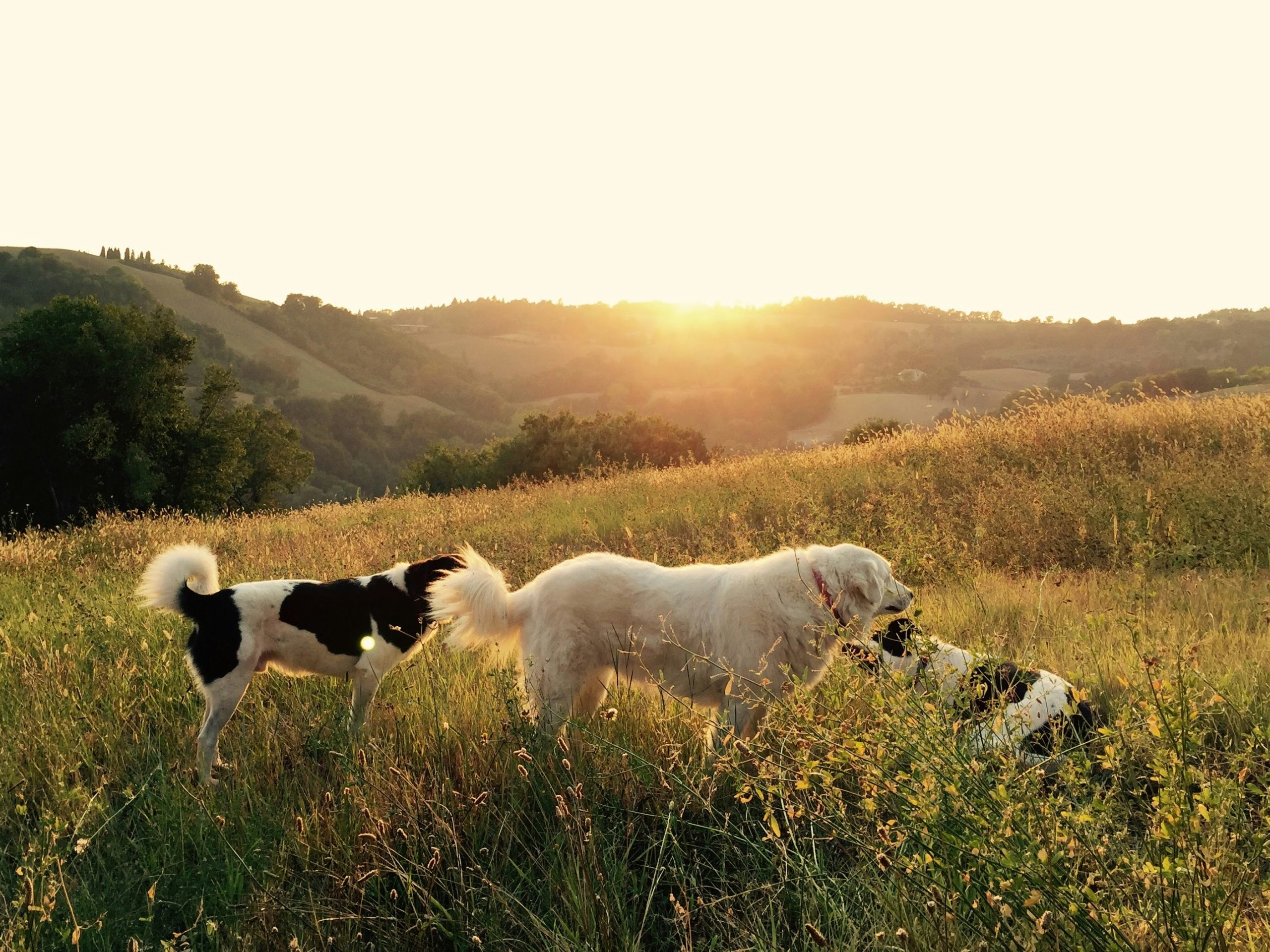
Body language cues don’t work in isolation. A dog with a wagging tail might still be nervous or ready to snap. Always look at the whole dog—ears, eyes, mouth, tail, and body—to get the full picture.
Example 1:
A dog with a mid-height wagging tail, soft eyes, and a wiggly body is likely feeling happy and relaxed.
Example 2:
A dog with a stiff body, raised tail, direct stare, and still posture is likely feeling threatened or assertive.
Example 3:
A dog with pinned-back ears, whale eyes, a tucked tail, and lowered posture is probably scared or anxious.
Tips for Reading Your Own Dog
-
Observe in different settings: Notice how your dog acts when relaxed at home versus when meeting a stranger.
-
Learn their baseline: Every dog is different. Some naturally carry their tails higher or lower.
-
Use body language in training: Pay attention to your dog’s stress signals during sessions—this can help avoid frustration or fear-based behavior.
Conclusion
By learning to read dog body language, you open the door to a more intuitive and respectful relationship with your canine companion. Your dog is talking—you just need to know how to listen with your eyes.