
Puppy Socialization: Early Experiences Matter
Bringing home a new puppy is an exciting time filled with new adventures, milestones, and learning opportunities. While many new owners focus on teaching basic obedience commands like “sit” and “stay,” there’s another critical aspect of puppy development that deserves just as much attention: socialization.
The experiences your puppy has during their first few months of life can have a lasting impact on how they view the world as an adult. Positive, controlled exposure to new people, environments, sounds, and situations helps build confidence and resilience, while missed opportunities can sometimes contribute to fear, anxiety, or reactivity later in life.
Fortunately, socialization doesn’t have to be overwhelming. With a thoughtful approach, you can help your puppy develop into a confident, well-adjusted companion who is prepared to handle life’s everyday experiences.
 What Is the Puppy Socialization Window?
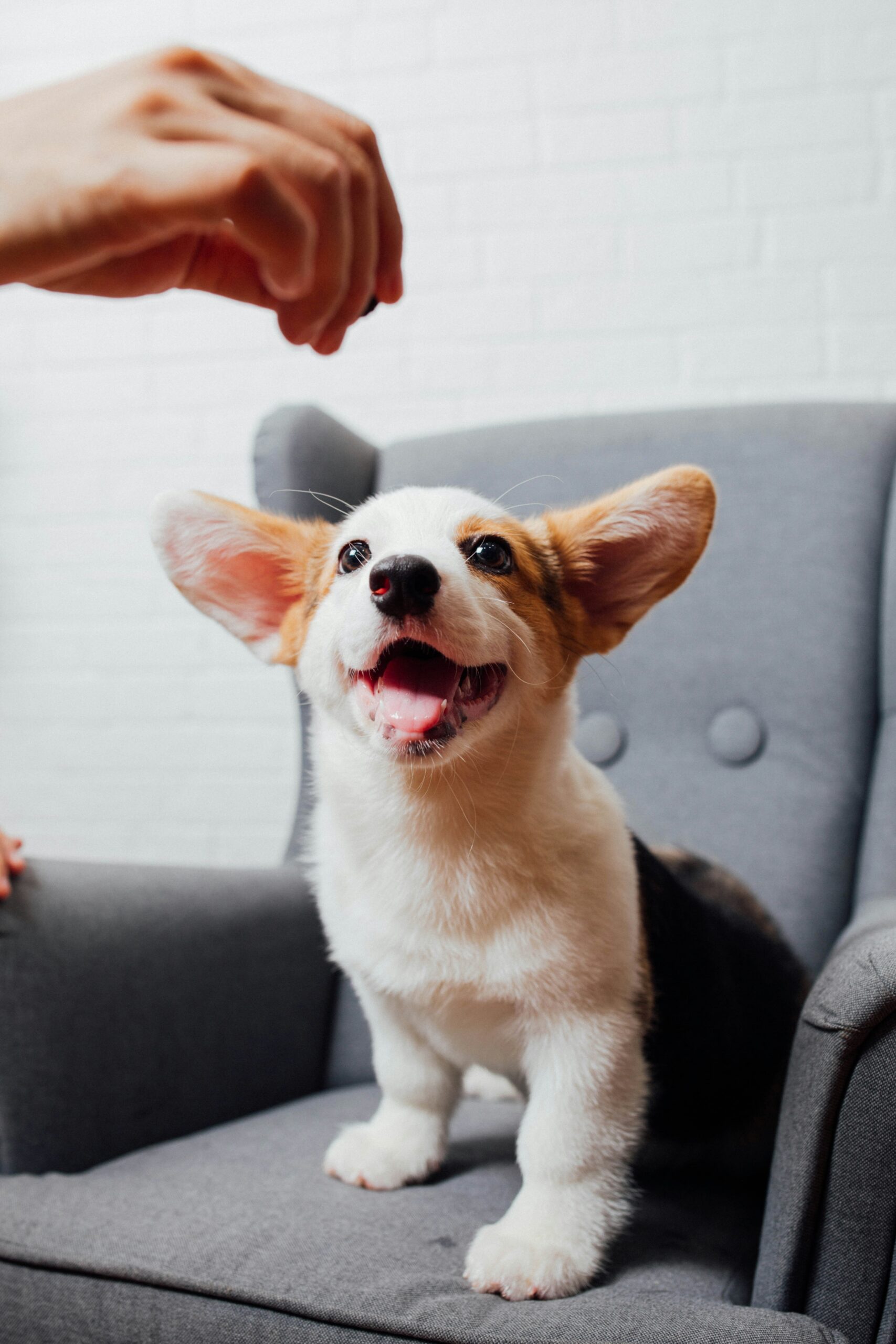
The puppy socialization window refers to a developmental period when puppies are especially receptive to learning about the world around them.
During this stage, puppies are naturally curious and more willing to accept new experiences. Their brains are rapidly developing, making it an ideal time to introduce them to a wide variety of sights, sounds, people, animals, and environments.
While dogs continue learning throughout their lives, this early stage offers a unique opportunity to shape your puppy’s confidence and emotional responses.
It’s important to remember that socialization is not about overwhelming your puppy with as many experiences as possible. Instead, it’s about creating positive, calm, and controlled experiences that teach your puppy the world is a safe place.
Socialization Is More Than Meeting Other Dogs
One of the biggest misconceptions about socialization is that it simply means allowing your puppy to play with every dog they meet.
While appropriate interactions with well-mannered dogs can certainly be beneficial, socialization extends far beyond canine friendships.
A well-socialized puppy should gradually become comfortable with everyday experiences such as:
- People of different ages and appearances
- Children playing
- Individuals wearing hats, sunglasses, or uniforms
- Wheelchairs, walkers, and strollers
- Bicycles and skateboards
- Cars, buses, and motorcycles
- Household appliances
- Vacuums and lawn equipment
- Different flooring surfaces
- Stairs and elevators
- Parks, sidewalks, and busy streets
The goal isn’t for your puppy to greet everything they encounter. The goal is for them to observe these experiences calmly and confidently.
Why Positive Experiences Matter
Simply exposing a puppy to new situations isn’t enough.
The quality of those experiences matters far more than the quantity.
Imagine introducing your puppy to a busy outdoor market.
If your puppy becomes overwhelmed by loud noises, crowds, and constant activity, the experience may create stress rather than confidence.
On the other hand, introducing your puppy to the same environment from a comfortable distance while offering praise, treats, and opportunities to observe quietly can help build positive associations.
Every successful experience teaches your puppy:
“This is safe.”
Those positive memories become the foundation for future confidence.
 Confidence Starts Early
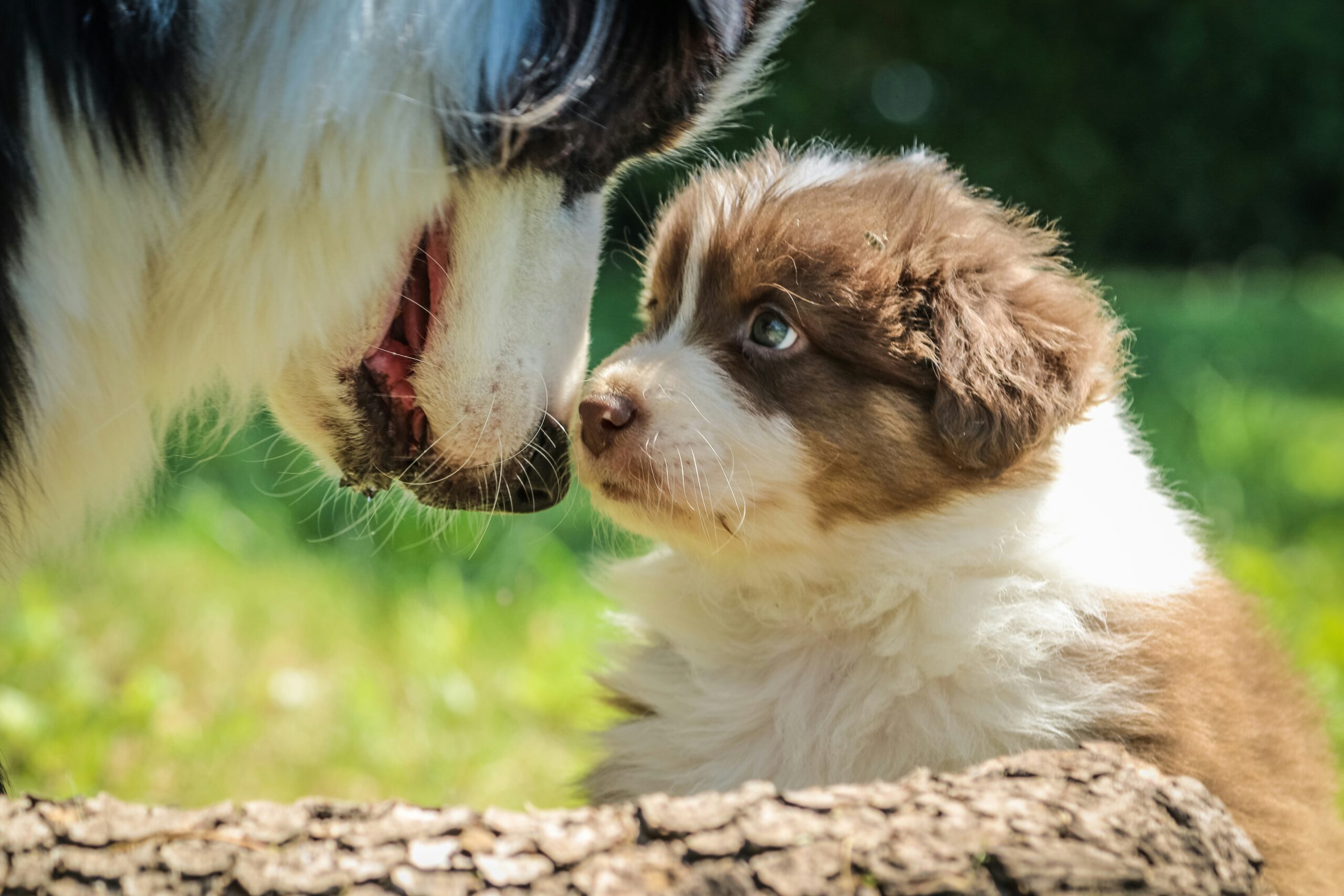
Confidence isn’t something dogs are simply born with.
It develops through repeated positive experiences.
Each time your puppy successfully navigates something new, they build confidence in both themselves and their surroundings.
Examples include:
- Walking across unfamiliar surfaces
- Hearing loud noises without becoming frightened
- Meeting friendly strangers
- Visiting new places
- Exploring different environments
Over time, these experiences teach puppies that unfamiliar situations don’t have to be scary.
Confident puppies are often better equipped to handle changes and surprises as adults.
Preventing Fear Later in Life
Many adult behavior problems can be traced back to fear or uncertainty.
Dogs who haven’t had positive exposure to everyday experiences during puppyhood may become nervous when encountering them later.
This can sometimes lead to behaviors such as:
- Barking at strangers
- Reacting to other dogs
- Fear of new environments
- Anxiety around unfamiliar objects
- Hesitation during walks
While early socialization cannot prevent every behavioral issue, it significantly improves the likelihood that your puppy will grow into a confident, adaptable adult.
Socialization Doesn’t Mean Constant Interaction
Many owners feel pressured to let everyone pet their puppy or allow every dog-to-dog greeting.
In reality, that’s not necessary—and sometimes it’s not even helpful.
A valuable socialization experience might simply involve your puppy sitting calmly beside you while watching people walk by.
Your puppy doesn’t need to interact with every person or dog.
Learning to remain relaxed while observing the world is an important life skill.
Build Positive Associations
One of the easiest ways to help puppies enjoy new experiences is by pairing them with something enjoyable.
Whenever your puppy encounters something unfamiliar, consider rewarding calm behavior with:
- Small training treats
- Verbal praise
- Play
- Gentle encouragement
Over time, your puppy begins associating new experiences with positive outcomes.
Instead of thinking:
“That new thing is scary.”
They begin thinking:
“Interesting things happen when I see something new.”
Don’t Forget Household Experiences
Socialization isn’t limited to walks and public places.
Your home provides many valuable learning opportunities.
Help your puppy become comfortable with:
- Nail trims
- Brushing
- Wearing a collar or harness
- Gentle handling
- Bath time
- Vacuum cleaners
- Doorbells
- Visitors entering the home
These everyday experiences often become much easier when introduced gradually and positively.
Respect Your Puppy’s Comfort Level
Not every puppy approaches new situations with the same confidence.
Some are naturally bold.
Others are more cautious.
Pay attention to your puppy’s body language.
Signs they may need more space include:
- Tucked tail
- Lip licking
- Yawning
- Hiding behind you
- Freezing
- Trembling
- Refusing treats
If you notice these signals, increase distance from the situation and allow your puppy to observe without pressure.
Confidence grows through successful experiences—not forced interactions.
Keep Socialization Ongoing
Although the early months are especially important, socialization doesn’t stop after puppyhood.
Continue introducing your dog to new experiences throughout their life.
Visit new parks.
Take different walking routes.
Explore pet-friendly stores.
Meet friendly people.
Practice calm observation in a variety of environments.
These ongoing experiences help maintain the confidence your puppy has developed.
The Role of Training During Socialization
Basic obedience training complements socialization beautifully.
Simple skills like:
- Name recognition
- Sit
- Down
- Loose leash walking
- Recall
- Focus
give your puppy something familiar to do when exploring new environments.
Training provides structure while socialization builds confidence.
Together, they create a strong foundation for lifelong success.
Final Thoughts
The puppy socialization window is one of the most valuable opportunities you’ll have to shape your dog’s future.
By introducing your puppy to the world through calm, positive, and age-appropriate experiences, you’re helping them build confidence that can last a lifetime.
Remember, successful socialization isn’t about creating a puppy who wants to greet everyone.
It’s about raising a dog who feels comfortable, secure, and capable of navigating everyday life.
The time you invest now will pay dividends for years to come, helping your puppy grow into a happy, well-adjusted companion who can confidently face new adventures by your side.