
Tail Wags & Wiggles: Dogs Who Speak Through Joy
When you walk through the door after a long day, and your dog greets you with a whirlwind of tail wags, wiggling hips, and maybe even a full-body dance, it’s not just excitement—it’s love. For many pups, joy is their love language. Their tails, bodies, and even facial expressions become a language of happiness and devotion. But why do dogs show affection this way, and what exactly are they trying to tell us with all that movement?
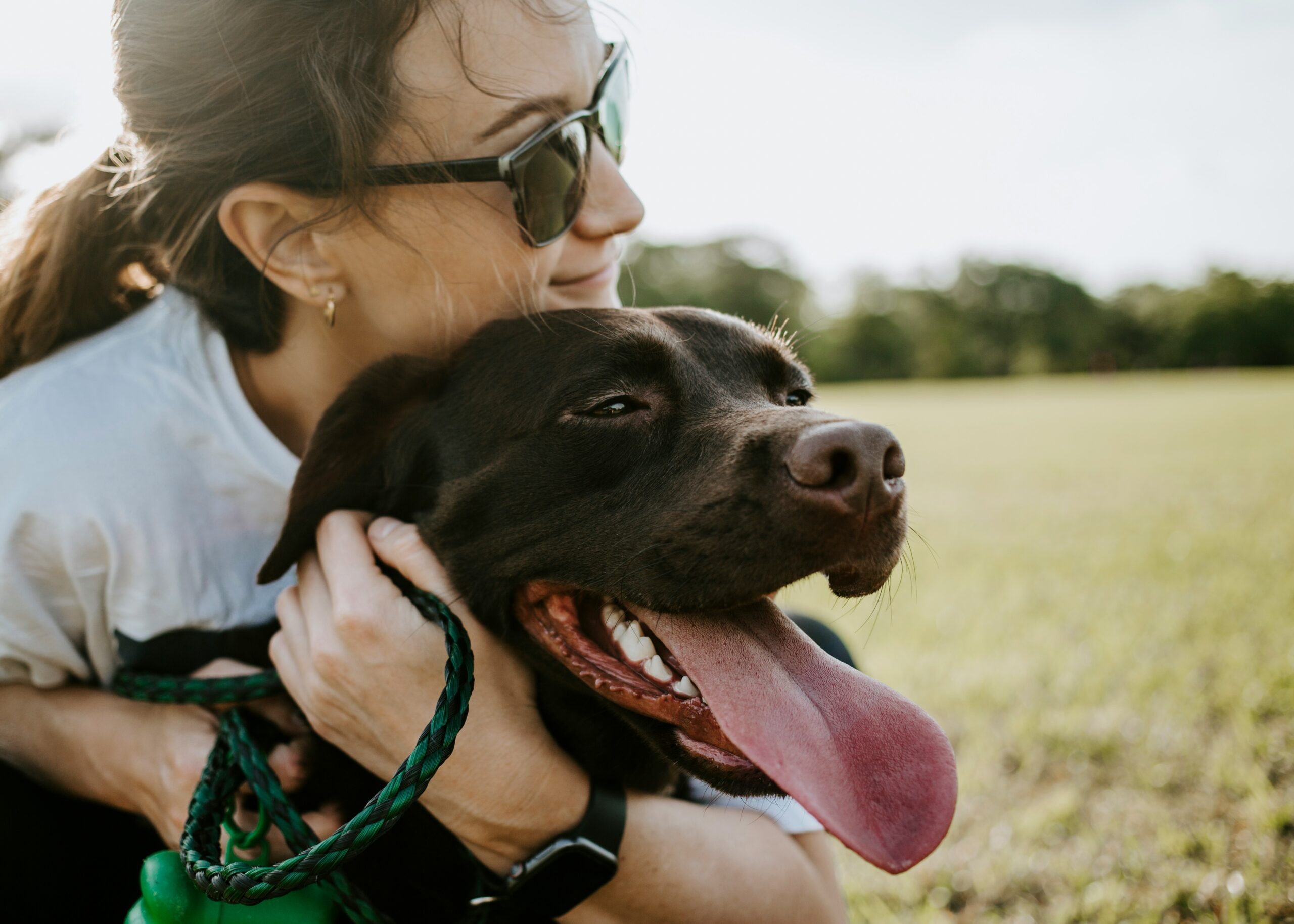
In this blog, we’ll explore how tail wags, wiggles, and bursts of energy serve as one of the purest ways dogs say, “I love you.”
The Science of Tail Wagging
Dogs’ tails are more than just cute accessories—they’re powerful communication tools. Research shows that tail wagging isn’t random; it’s nuanced. The direction and speed of the wag can communicate different emotions:
-
Right-side wagging often signals happiness or excitement.
-
Left-side wagging can indicate stress or uncertainty.
-
Fast, loose wags usually mean joy and friendliness.
-
Stiff, slow wags may suggest hesitation or wariness.
When your dog greets you with a wildly wagging tail, they’re telling you that you are one of their favorite parts of the world.
Wiggles: The Full-Body Hug
Many dogs go beyond wagging their tails—they turn greetings into a full-body performance. This is often referred to as the “wiggle dance.” The rear end wiggles, the spine bends in joyful curves, and some dogs even prance around.
This body language is essentially the canine version of a hug. Dogs don’t have arms to wrap around you, so they use motion, closeness, and body expression to communicate love.
The “Zoomies” as a Love Expression
Has your dog ever suddenly sprinted around the room or yard when you get home? Those bursts of energy, known as zoomies (technically called FRAPs: Frenetic Random Activity Periods), are another form of joyful affection.
Zoomies aren’t just about burning off energy—they’re a celebration. When directed at you, they’re your dog’s way of saying: “I’m so happy you’re here, I can’t contain myself!”
 Joy as a Bonding Tool
 J
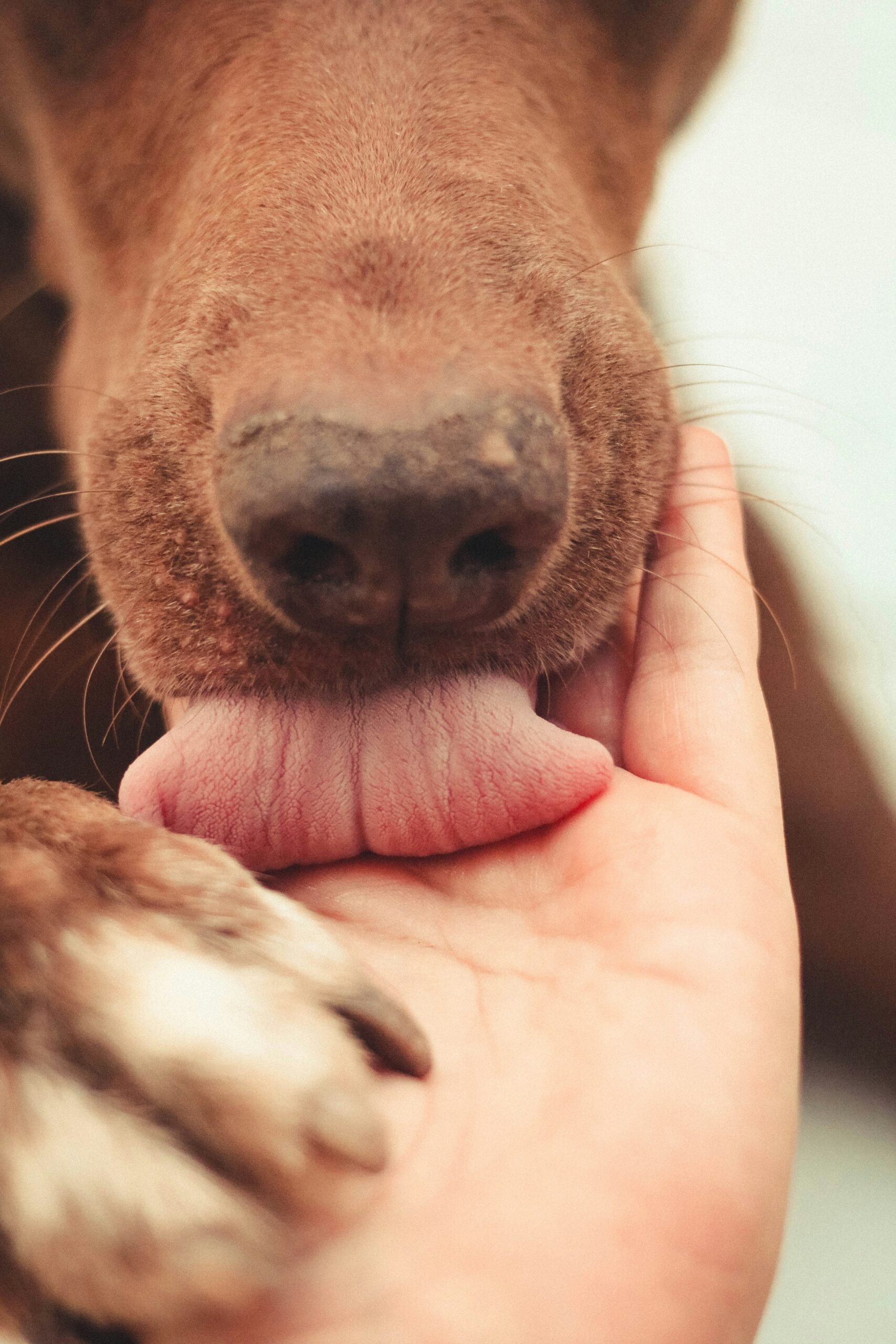
JThese happy movements are more than displays—they strengthen your bond. Dogs evolved alongside humans for thousands of years, learning how to connect with us emotionally. Tail wags and wiggles not only communicate affection but also invite interaction.
When you respond with pets, laughter, or joyful energy, your dog learns that their happiness is reciprocated. It creates a loop of love, where your dog’s joy fuels your own, deepening your connection.
How to Respond to Your Dog’s Joy
Since tail wags and wiggles are one of your dog’s love languages, responding in kind strengthens your bond. Here are some ways to reciprocate:
-
Mirror their joy: Use an excited tone of voice, smile, and let your dog know you’re thrilled too.
-
Offer touch: Petting or a belly rub after a joyful greeting reinforces their love language.
-
Playtime: Channel their excitement into a game of fetch, tug, or chase.
-
Calm recognition (for shy pups): Some dogs show joy more subtly. A gentle pet or kind word goes a long way.
 When Wags Aren’t Always Love
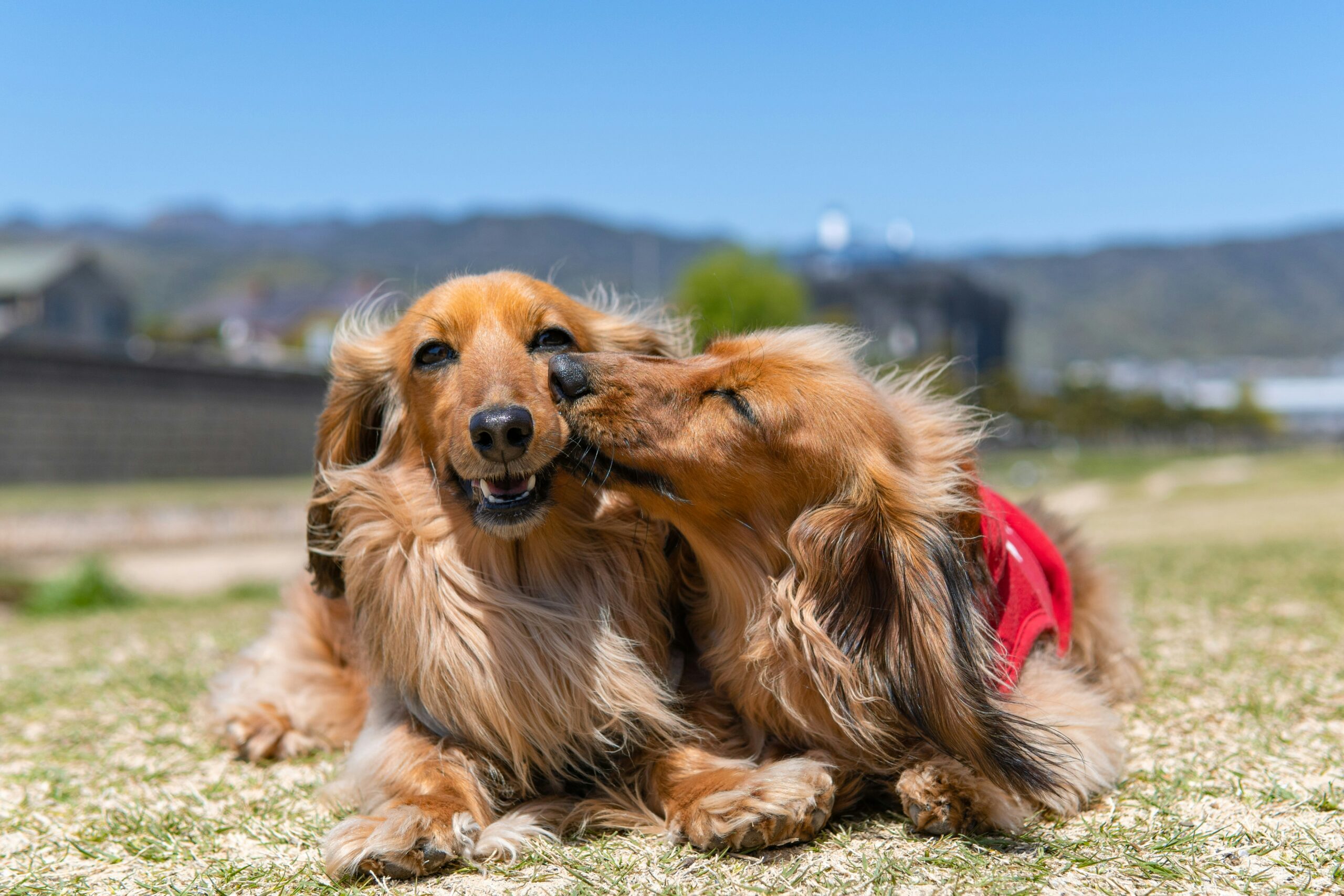
While wagging often means happiness, it’s important to note that not all wags are affectionate. Pay attention to the whole body language. A stiff tail with raised hackles or a tucked tail paired with whining may signal fear or anxiety. Understanding these differences helps you interpret your dog’s emotions more accurately.
Conclusion
For dogs who speak through joy, tail wags, wiggles, and zoomies are more than cute antics—they’re heartfelt love notes. By recognizing and responding to these expressions, you’re honoring your dog’s unique love language. And every time you walk through the door, greeted by a whirlwind of joy, you’re reminded that love, in its purest form, is often wordless.