
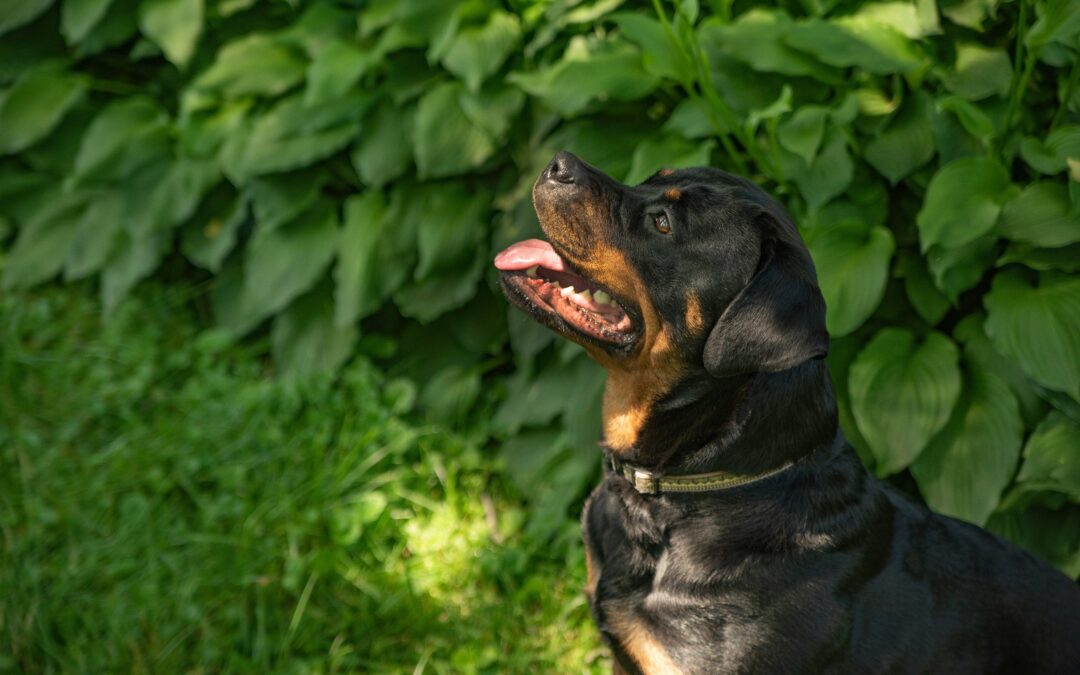
Teaching Your Dog to Focus on You First
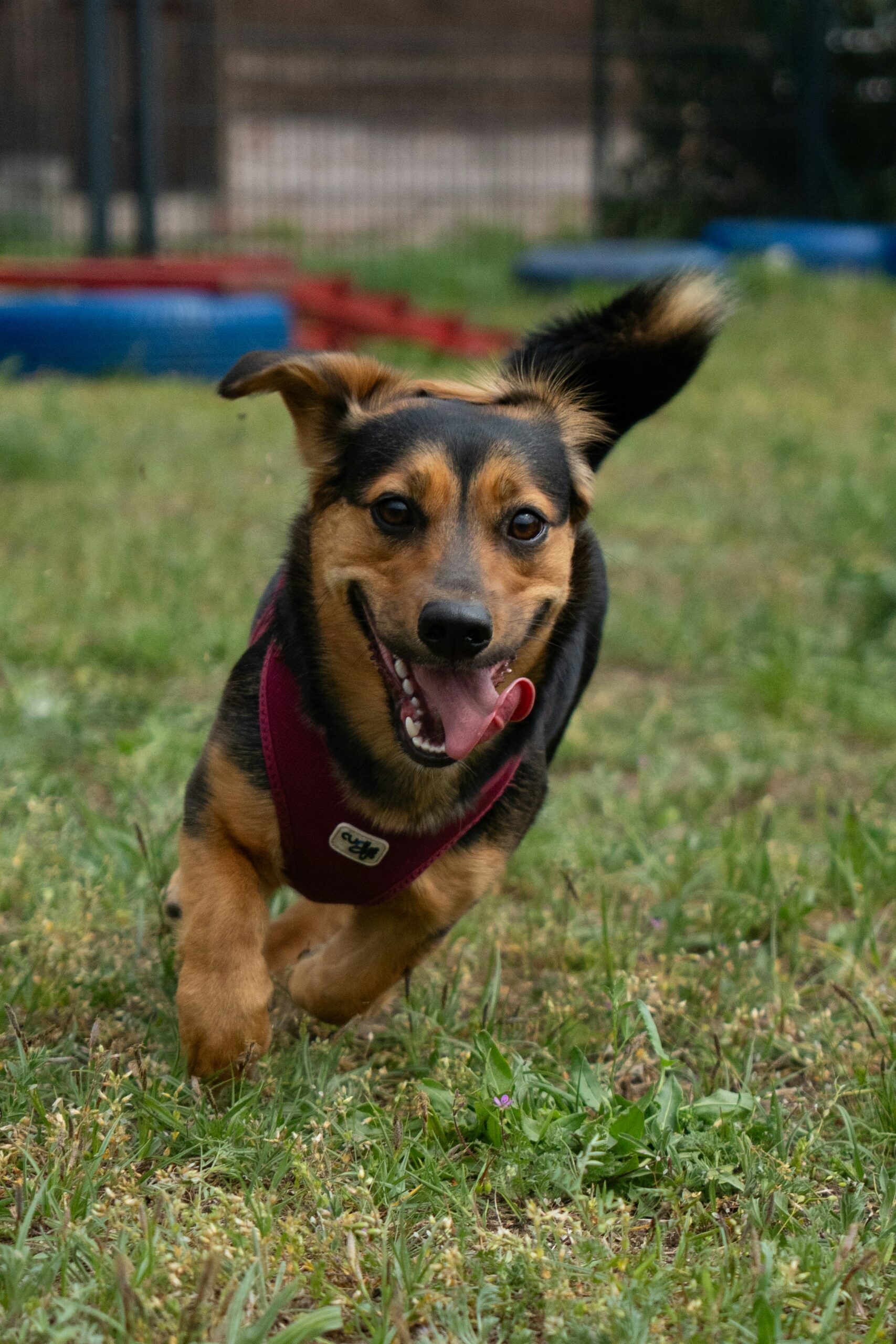 Before a dog can learn to ignore other dogs, they need to learn something much more important:
How to focus on you.
Many owners try to correct their dog when they react to another dog, but corrections alone don’t teach the behavior you actually want.
Your dog needs an alternative choice.
Instead of reacting to another dog, the goal is for your dog to think:
“There’s something interesting over there… but my human is still more important.”
That shift begins by building engagement.
Engagement means your dog naturally checks in with you and values your attention.
When engagement is strong, distractions become easier to handle.
What Engagement Really Means
Engagement is not forcing your dog to stare at you constantly.
It’s about creating a habit of awareness.
A dog with strong engagement will:
-
Look at you frequently during walks
-
Respond quickly when their name is called
-
Stay mentally connected even in distracting environments
This connection becomes the foundation for ignoring other dogs later.
Without engagement, distractions will almost always win.
Start Training in a Low-Distraction Environment
Focus training should not begin in the middle of a busy park or crowded sidewalk.
Start somewhere calm where your dog can succeed.
Good places to begin include:
-
Your living room
-
Backyard
-
Quiet driveway
-
Calm neighborhood street
In low-distraction environments, your dog can clearly understand what you’re teaching before adding challenges.
Step 1: Reinforce Name Recognition
Your dog’s name should be powerful.
It should immediately grab their attention.
Practice this simple exercise:
-
Say your dog’s name in a cheerful tone.
-
The moment they look at you, mark the behavior (“Yes!” or a click).
-
Give a small treat.
Repeat this several times.
Soon your dog learns a simple pattern:
Name → Look at human → Reward.
This skill becomes extremely valuable when another dog appears later.
Step 2: Teach Eye Contact
Next, begin reinforcing eye contact more intentionally.
Hold a treat near your face and wait.
When your dog looks at your eyes:
Mark → Reward.
At first, the eye contact may only last a second.
That’s okay.
Gradually, you can build longer moments of focus.
Eye contact strengthens communication and helps your dog stay mentally connected during walks.
 Step 3: Encourage Check-Ins on Walks
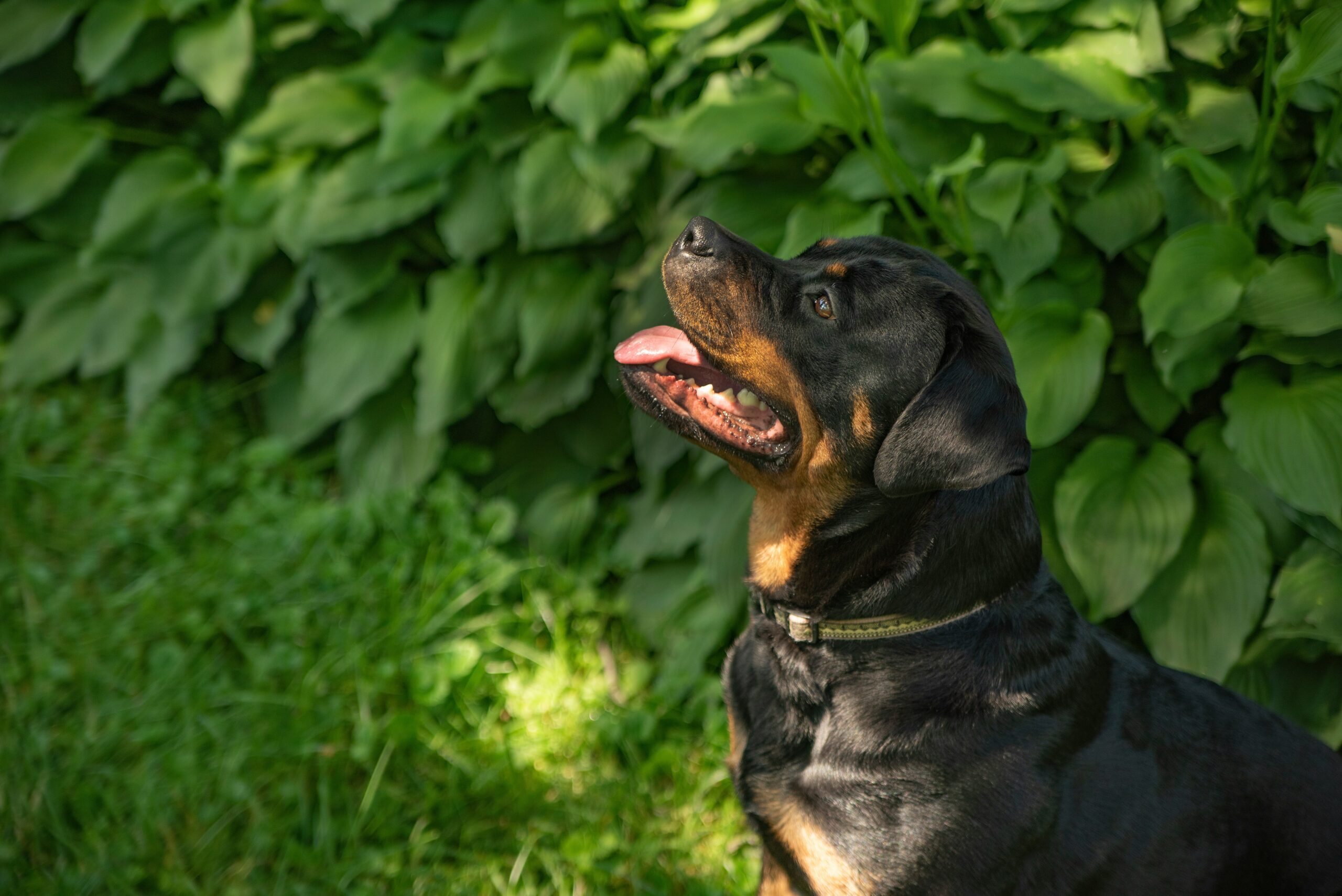
Once your dog understands focus exercises indoors, start practicing during walks.
Whenever your dog looks at you voluntarily:
Mark → Reward.
These spontaneous check-ins are incredibly valuable.
They show your dog is choosing to stay aware of you.
Many owners miss these moments because they’re waiting for “perfect behavior.”
But rewarding small check-ins builds the habit you want.
Step 4: Use Movement to Create Engagement
Movement is a powerful attention tool.
Instead of walking in straight lines constantly, try changing direction occasionally.
Turn and walk the other way.
When your dog follows you:
Reward.
This teaches your dog to watch your movement rather than forging ahead blindly.
Dogs who pay attention to your body language are far less likely to become fixated on other dogs.
Step 5: Make Yourself Interesting
If you want your dog to focus on you instead of other dogs, you must be worth paying attention to.
Use:
-
An upbeat voice
-
Small, high-value treats
-
Occasional praise and encouragement
-
Playful energy
This doesn’t mean constant excitement.
But it does mean making engagement rewarding.
If the environment is more exciting than you are, your dog will naturally focus outward.
 Keep Training Sessions Short
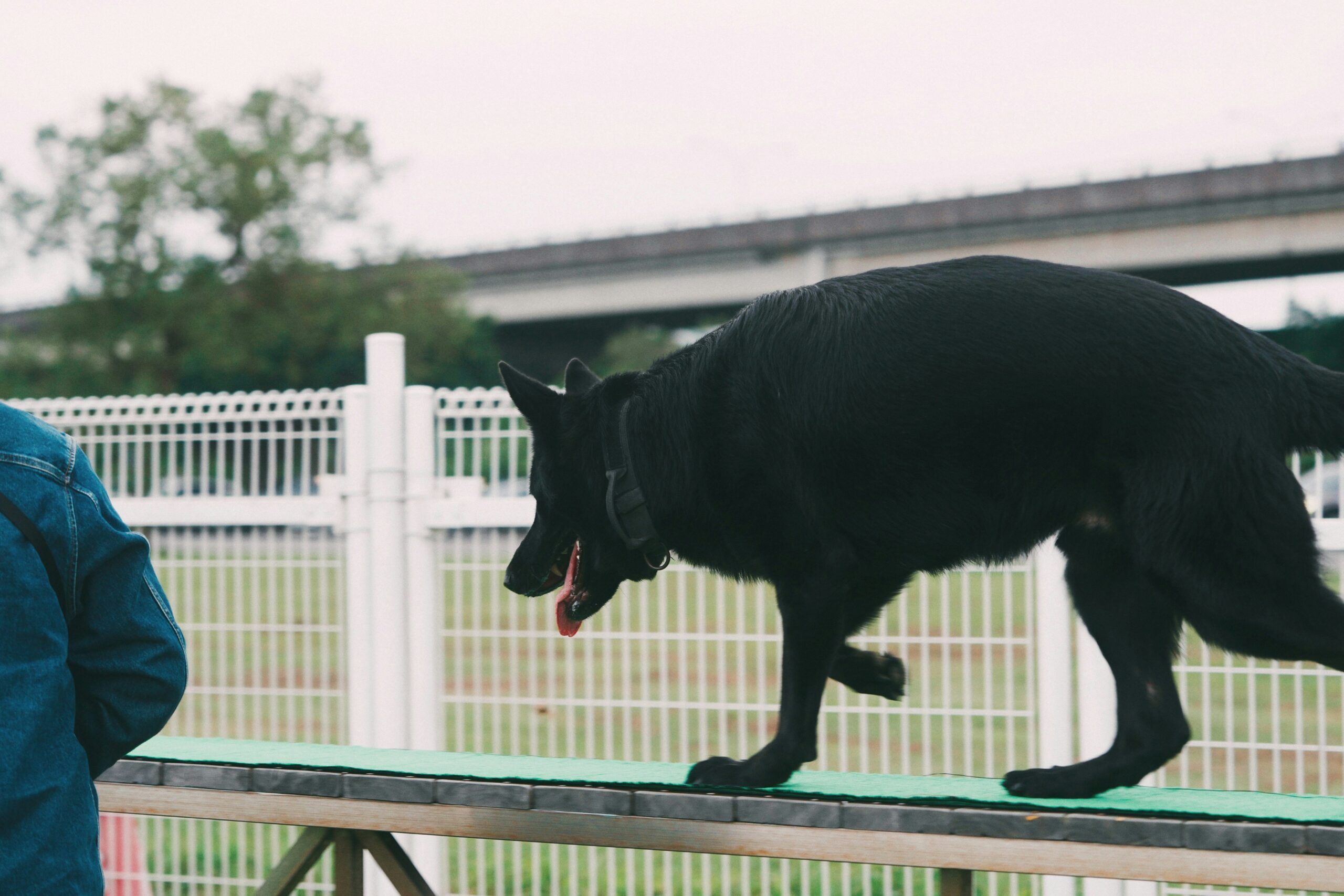
Dogs learn best in short, focused sessions.
Aim for:
-
3–5 minutes of engagement practice
-
Several times per day
-
Ending while your dog is still successful
Frequent short sessions build skills faster than occasional long ones.
Avoid Common Mistakes
When teaching focus, avoid these common errors.
Repeating Your Dog’s Name
If you say your dog’s name over and over, it loses meaning.
Say it once.
Wait for the response.
Reward when it happens.
Asking for Too Much Too Soon
Focus training takes time.
Start simple before expecting your dog to respond in busy environments.
Forgetting to Reward
If your dog checks in but nothing happens, they may stop offering the behavior.
Reinforcement keeps the habit alive.
What Progress Looks Like
At this stage, success might look like:
-
Your dog responding quickly to their name
-
Frequent voluntary check-ins
-
Short moments of eye contact
-
Walking with increased awareness of you
These small improvements create the foundation for more advanced training.
Why Focus Changes Everything
Dogs who react to other dogs often do so because they are fully absorbed in the environment.
When you strengthen focus, you change the decision-making process.
Instead of reacting immediately, your dog begins to pause and check in.
That pause gives you the opportunity to guide their behavior calmly.
Focus doesn’t eliminate distractions.
It simply makes your dog more responsive when they occur.
The Bottom Line
Teaching your dog to ignore other dogs begins with teaching them to notice you first.
By reinforcing:
-
Name recognition
-
Eye contact
-
Voluntary check-ins
-
Engagement during movement
you create a strong communication system that works even in distracting situations.
Once your dog values your attention, they are far more capable of handling encounters with other dogs calmly.
And that sets the stage for the next important skill:
Learning how distance can make training dramatically easier.