
The Science Behind Your Dog’s Sleep Habits
If your dog spends most of the day curled up on the couch, don’t worry — they’re not lazy! Dogs sleep an average of 12–14 hours a day, and some even more. While that may sound excessive compared to the 7–9 hours humans need, it’s actually essential for their physical health, emotional balance, and learning.
Let’s explore what science says about those endless naps and how your dog’s unique biology drives their sleep schedule.
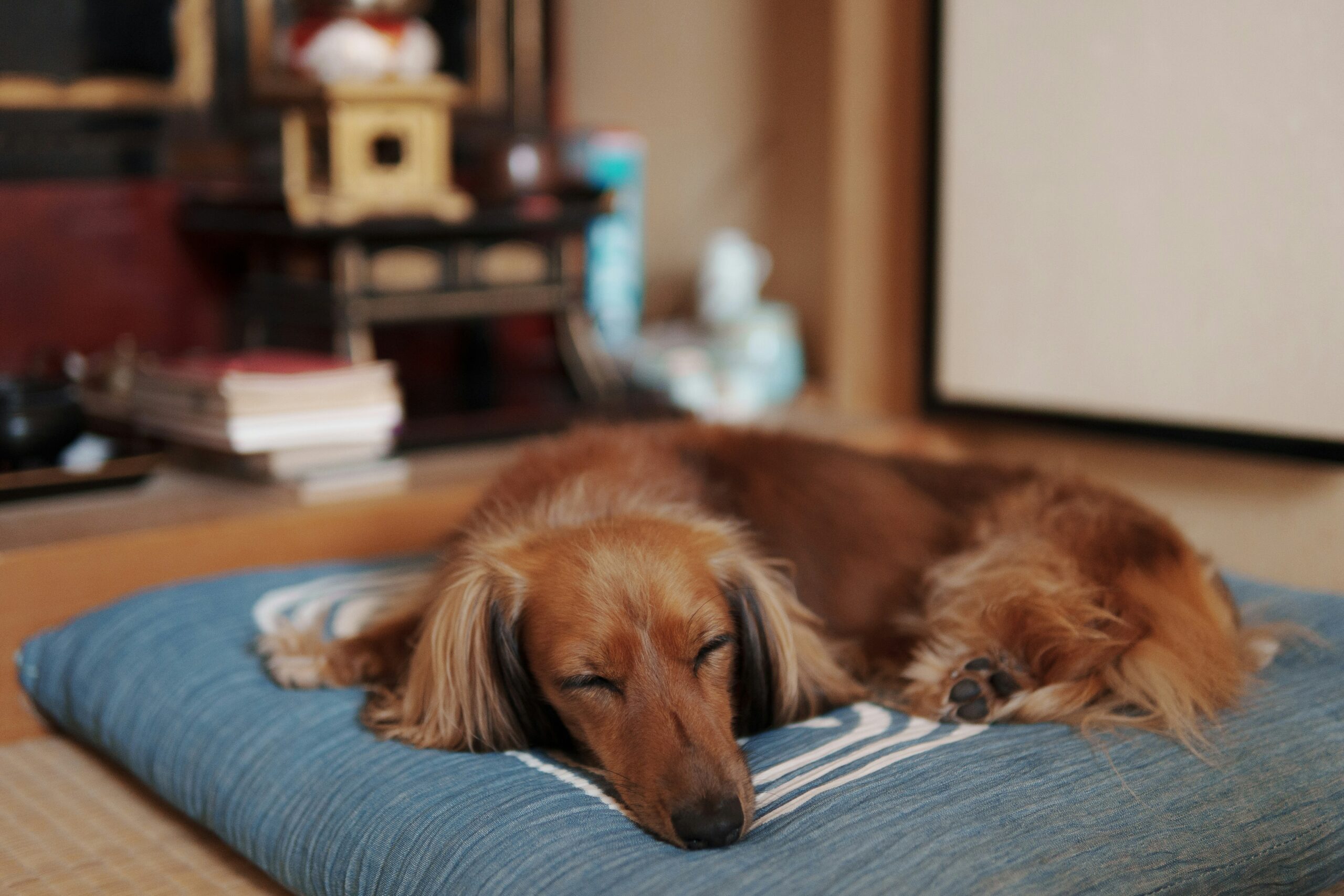
🧠 Dogs Have Different Sleep Cycles Than Humans
Humans experience long, consolidated sleep cycles each night, but dogs have shorter, more fragmented sleep patterns. Instead of one long rest, dogs take multiple naps throughout the day and night.
A typical canine sleep cycle lasts about 45 minutes, and includes two main stages:
-
Non-REM sleep: Deep, restorative sleep where tissue repair, immune support, and growth occur.
-
REM sleep: The dreaming phase where memory consolidation and learning take place.
If you’ve ever seen your dog twitch, move their paws, or make little noises in their sleep, you’re watching REM sleep in action!
 🐶 Energy In, Energy Out
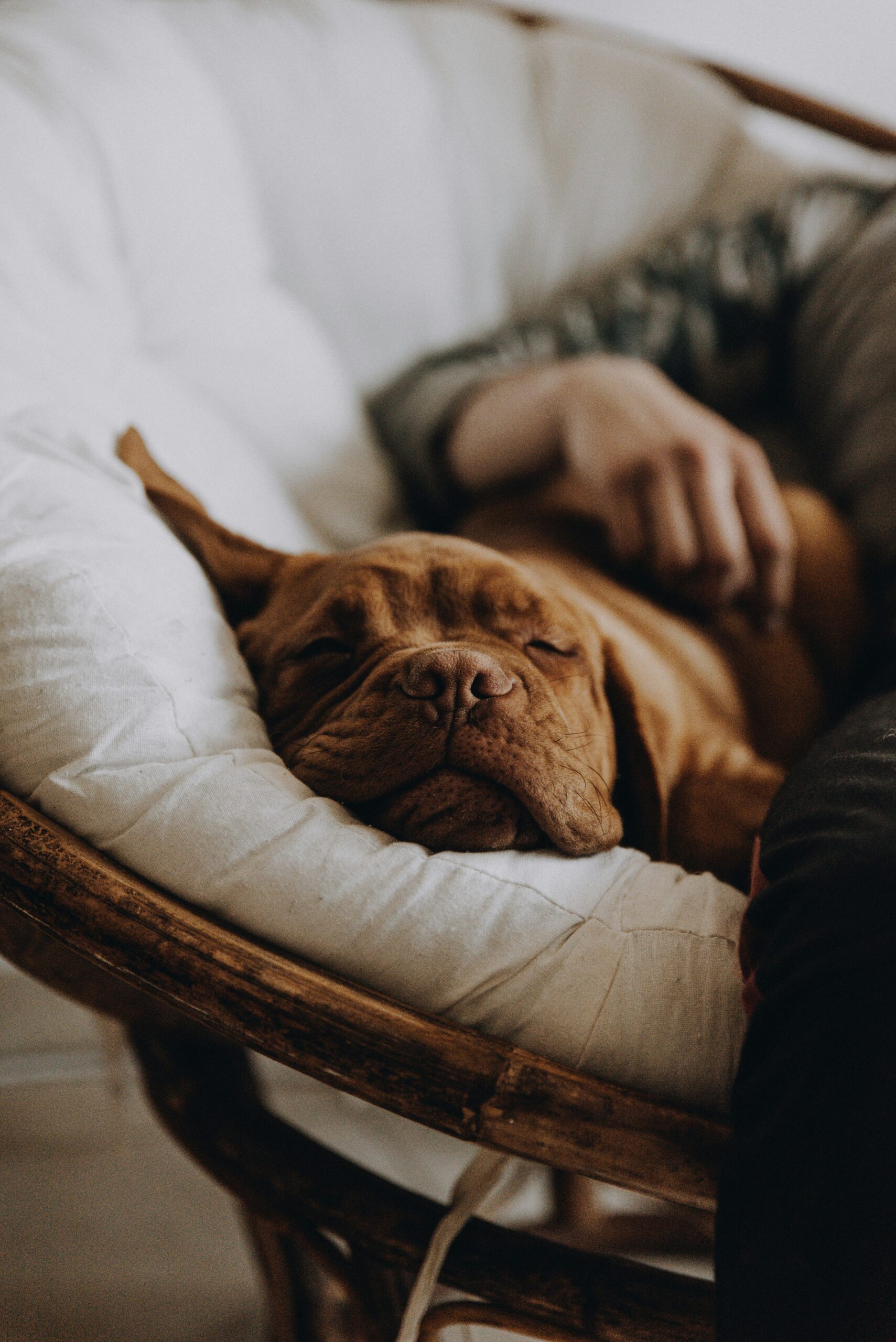
Dogs don’t just sleep because they’re tired — they sleep to recharge between bursts of activity. Unlike humans who can sustain energy for long periods, dogs tend to operate in short bursts. Whether it’s a game of fetch, a walk, or greeting guests, these moments burn energy quickly.
After that, their instinct tells them to rest and recover. It’s a behavior inherited from their wild ancestors, who alternated between high-energy hunting and long periods of rest to conserve energy for survival.
🐕🦺 Sleep Supports Learning and Training
Sleep plays a huge role in a dog’s ability to learn and remember commands. During REM sleep, the brain processes information from the day — a process called memory consolidation.
That means when your dog finally “gets” a new trick after a nap, it’s not a coincidence! They’re literally rehearsing what they learned while they sleep.
🧬 Sleep Is the Body’s Repair Mode
Just like in humans, sleep is when a dog’s body heals itself. Growth hormones are released, cells regenerate, and the immune system recharges. Puppies, working dogs, and those recovering from illness or surgery may sleep more because their bodies demand extra restoration time.
For senior dogs, more sleep often helps offset age-related fatigue and joint discomfort.
 ⏰ Why Dogs Sleep More Than We Do
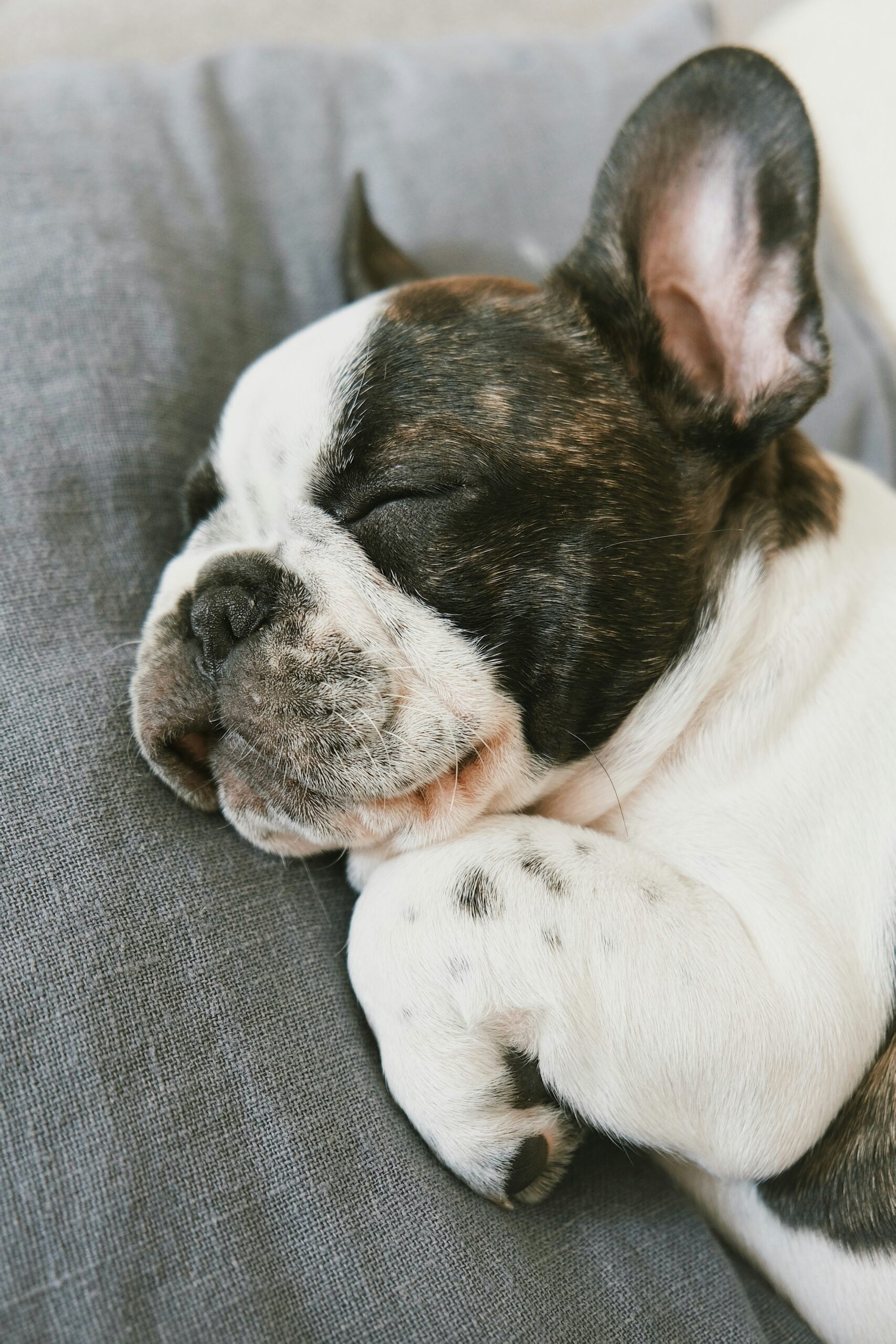
Most dogs spend about:
-
50% of their day sleeping
-
30% resting but awake
-
20% active
This balance depends on several factors, including:
-
Breed: Large and giant breeds like Mastiffs or Saint Bernards tend to sleep more than smaller, high-energy breeds.
-
Age: Puppies and seniors need more sleep to grow or recover.
-
Activity Level: Working or very active dogs sleep deeply but may need fewer naps overall.
So, while your dog’s marathon nap sessions may seem excessive, they’re simply following their biological blueprint.
💤 Signs of Healthy vs. Unhealthy Sleep
Healthy dog sleep looks peaceful and flexible — your dog can nap easily but also wake up alert and ready to play.
However, excessive sleep combined with lethargy, loss of interest, or appetite changes can signal issues such as:
-
Hypothyroidism
-
Depression or anxiety
-
Boredom or lack of stimulation
-
Pain or underlying illness
If you notice major changes in your dog’s energy or sleep habits, it’s always worth checking with your vet.
🌙 Helping Your Dog Get Better Rest
You can support your dog’s sleep health by:
-
Keeping a consistent routine for walks, play, and bedtime
-
Providing a comfortable, quiet sleeping spot away from drafts or noise
-
Ensuring enough exercise and mental stimulation during the day
-
Avoiding late-night snacks or high excitement before bed
❤️ Final Thoughts
Dogs sleep so much because that’s how they thrive — physically, mentally, and emotionally. Their naps fuel their bodies, sharpen their minds, and keep their spirits balanced.
Next time you see your pup snoozing in a sunbeam, know they’re not being lazy — they’re simply doing what nature designed them to do best: rest, recharge, and dream about another great day with you!