
Understanding Ear Infections in Dogs
If you’ve ever seen your dog shaking their head, scratching their ears, or whining when touched, you might be witnessing the signs of an ear infection. While common in dogs, ear infections can be painful and, if left untreated, lead to more serious issues. As a pet parent, understanding what causes ear infections—and how to spot them early—can make a huge difference in your dog’s comfort and health.
Let’s take a look at what dog ear infections are, why they occur, and which dogs are most at risk.
What Is a Dog Ear Infection?
A dog ear infection is typically an inflammation of the ear canal caused by bacteria, yeast, or (less commonly) parasites or foreign bodies. Vets refer to these infections using medical terms:
-
Otitis externa – Infection of the outer ear canal (most common)
-
Otitis media – Infection of the middle ear
-
Otitis interna – Infection of the inner ear, often more serious
Otitis externa is by far the most common and is usually what’s meant when someone says their dog has an ear infection.
Why Are Dogs Prone to Ear Infections?
Dogs are more susceptible to ear infections than humans for a few important reasons:
🐾 Ear Canal Shape
A dog’s ear canal is L-shaped. This structure traps moisture and debris more easily, creating a warm, dark, moist environment—ideal for yeast and bacteria to grow.
🐾 Floppy Ears Trap Moisture
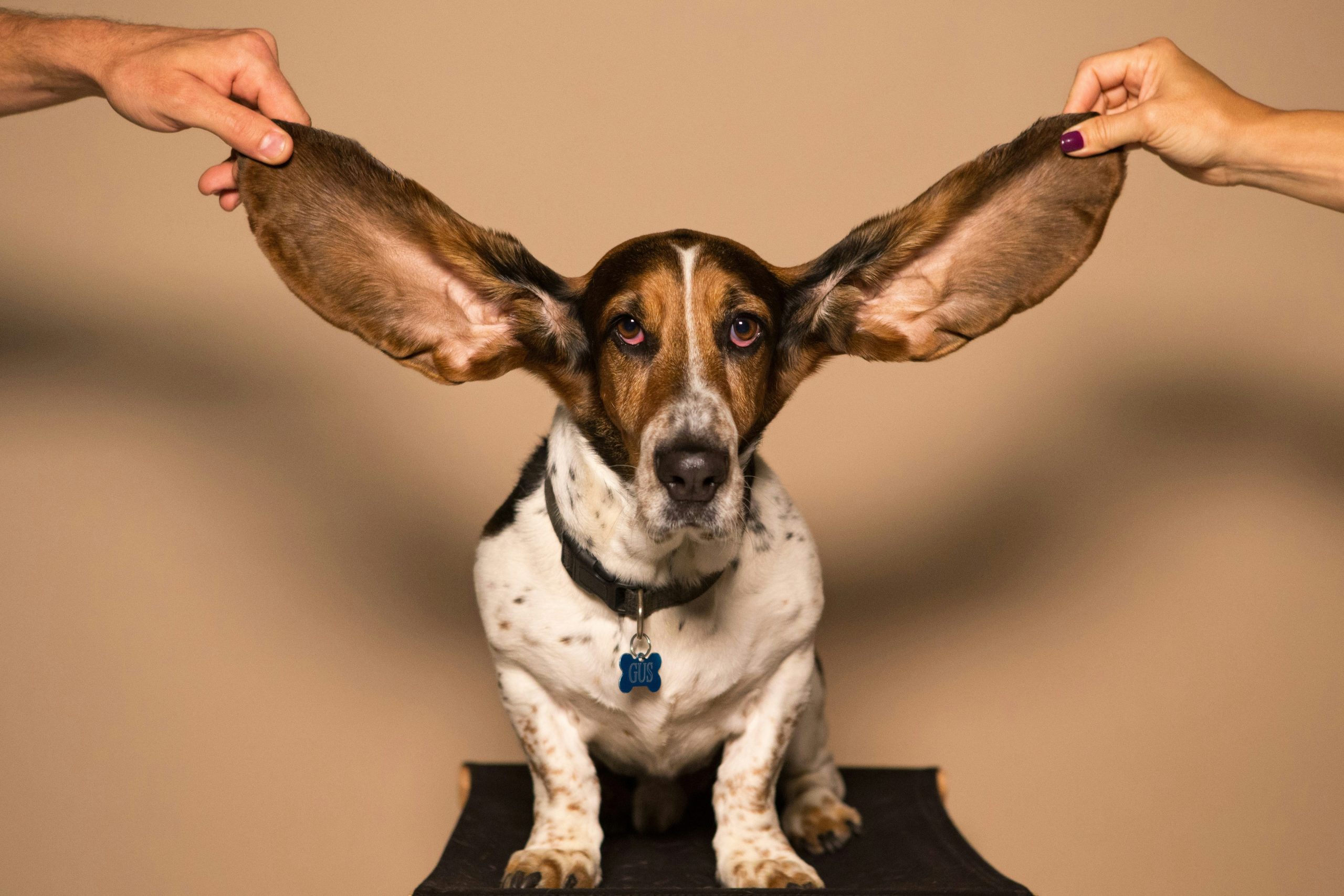
Breeds with floppy ears like Cocker Spaniels, Basset Hounds, and Labradoodles often have reduced airflow to the ear canal. This means moisture and heat can build up, encouraging infection.
🐾 Allergies
Dogs with food or environmental allergies often have chronic ear inflammation, which can weaken the skin barrier and make infections more likely.
🐾 Swimming or Bathing
Water that gets trapped in the ears during swimming or bathing can upset the ear’s natural balance and introduce bacteria or yeast.
Types of Ear Infections in Dogs
Understanding the underlying cause is important when treating an ear infection. The most common types include:
🔬 Bacterial Infections
These are often secondary infections after another condition—like allergies or injury—irritates the ear. The bacteria take advantage of weakened defenses and cause inflammation.
🦠 Yeast Infections
Yeast is normally present in small amounts in the ear. But when the ear becomes warm and moist (after swimming, for example), yeast can overgrow, leading to itching, redness, and smell.
🐛 Ear Mites
More common in puppies, ear mites are tiny parasites that cause severe irritation and dark, crumbly debris in the ears. Though less common in adult dogs, they’re still possible—especially in rescue cases or multi-pet households.
Which Dogs Are at Higher Risk?
Some dogs are more prone to ear infections due to genetics, lifestyle, or health issues. High-risk groups include:
-
Floppy-eared breeds (e.g., Golden Retrievers, Beagles, Shih Tzus)
-
Swimmers and dogs with outdoor lifestyles
-
Dogs with allergies or skin conditions
-
Dogs with excess hair in the ear canal
-
Dogs with a history of chronic ear infections
If your dog falls into one of these categories, regular monitoring and preventive care is especially important.
Why Early Detection Matters
Left untreated, ear infections can worsen and lead to:
-
Chronic pain or head shaking
-
Ear hematomas (blood pooling from excessive shaking)
-
Deafness or inner ear damage
-
Neurological issues if the infection spreads deep enough
Luckily, most ear infections are treatable and manageable when caught early.
What to Expect From Your Vet
If you suspect your dog has an ear infection, your vet will likely:
-
Examine the ear canal with an otoscope
-
Take a sample of ear debris to identify yeast, bacteria, or mites
-
Prescribe medication—usually a topical ointment or drops
-
Recommend cleaning instructions based on the infection type
In more severe or recurring cases, your vet might suggest allergy testing, dietary changes, or imaging to rule out underlying issues.
How to Support Your Dog’s Ear Health
Even if your dog has never had an ear infection, it’s smart to be proactive. A few healthy habits can make a big difference:
-
Dry ears after baths and swimming
-
Inspect ears weekly for odor, redness, or discharge
-
Clean ears as recommended by your vet (avoid over-cleaning!)
-
Watch for scratching, head shaking, or sensitivity to touch
Keeping your dog’s ears clean, dry, and monitored is one of the best ways to prevent infections before they start.
Final Thoughts
Ear infections are uncomfortable for your dog but very common—and very treatable. By understanding how and why they occur, you’ll be better equipped to spot early signs, seek timely treatment, and keep your dog healthy and happy.
In our next blog, we’ll explore the most common causes of canine ear infections, including some lesser-known triggers that may surprise you.