
What Are Dog Zoomies and Why Do They Happen?
What Are Zoomies?
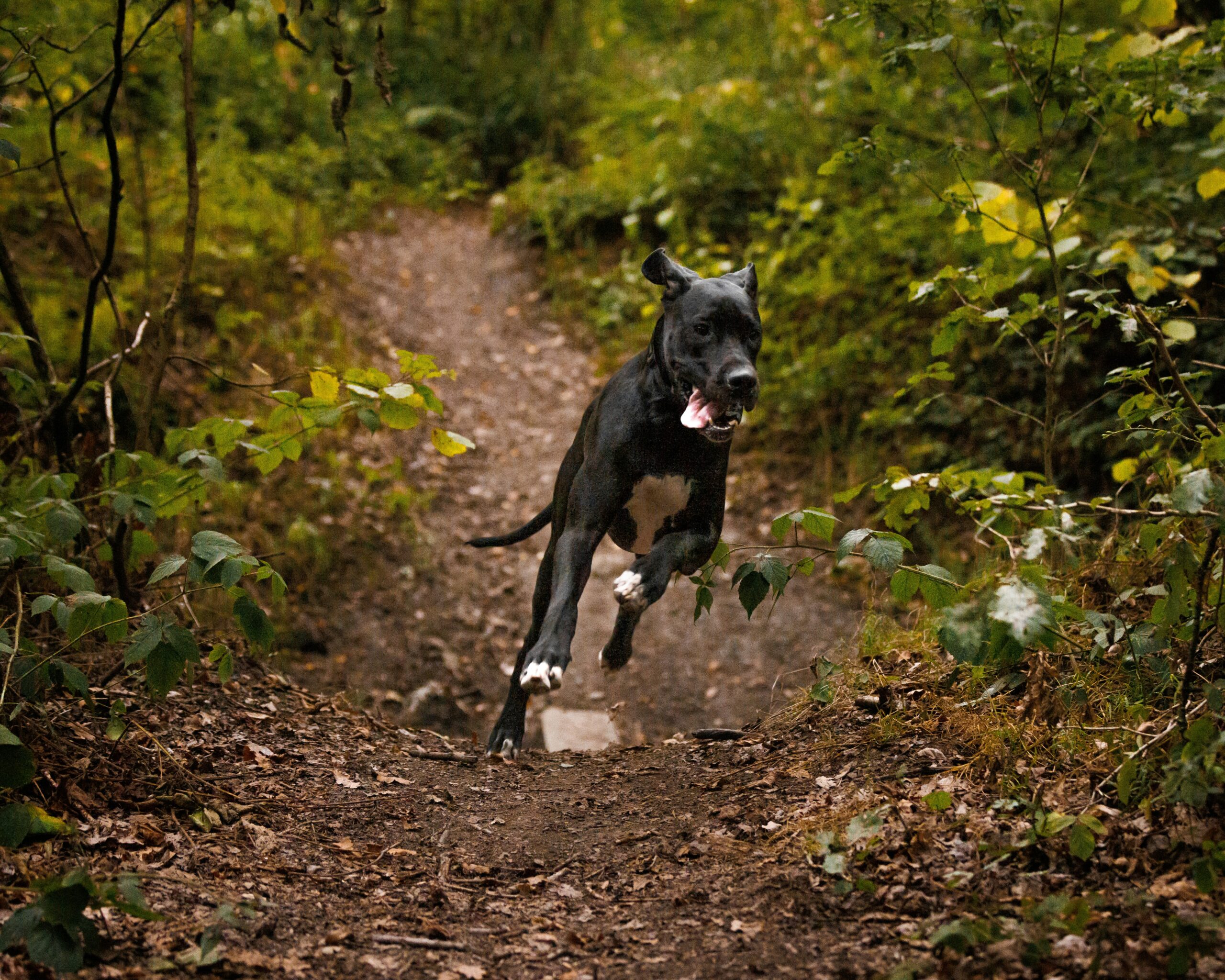
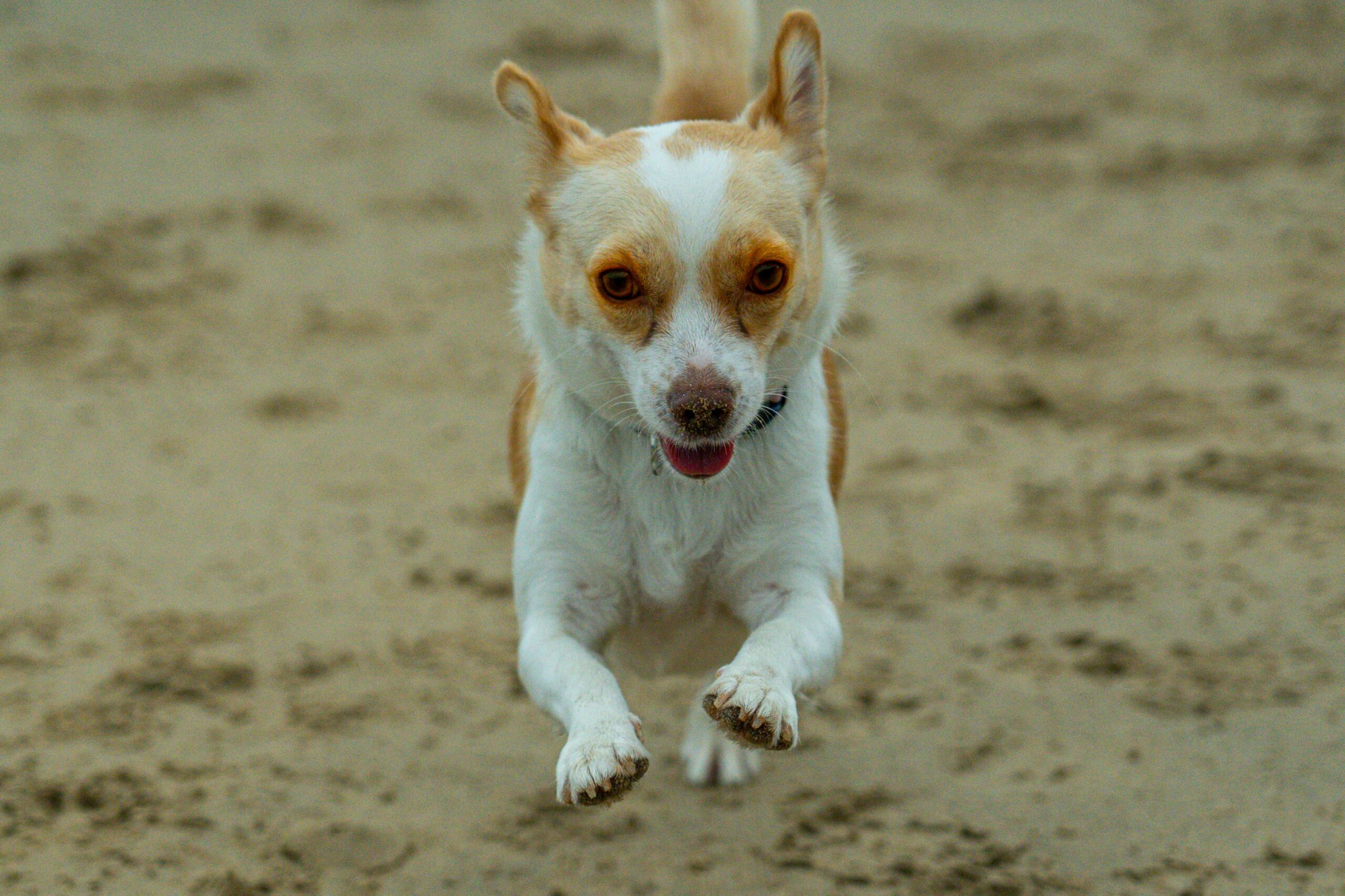
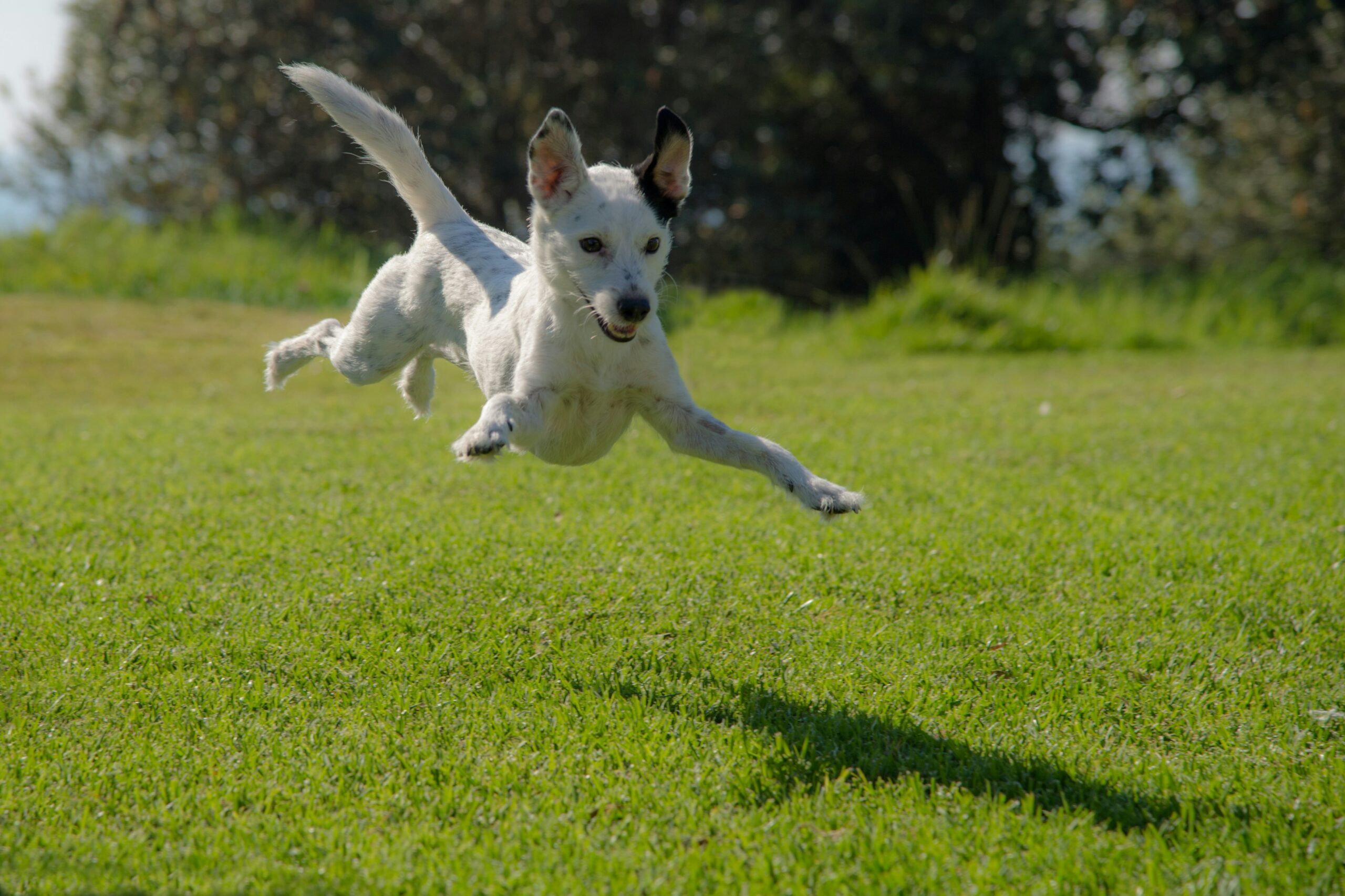
If you’ve ever seen your dog suddenly bolt across the room, spin in circles, or dash wildly around the yard, you’ve witnessed a phenomenon called zoomies—formally known as Frenetic Random Activity Periods (FRAPs). These bursts of energy are completely normal for most dogs and are often a sign of happiness, excitement, or pent-up energy that needs an outlet.
Zoomies are typically short-lived, lasting a few seconds to a couple of minutes, but they can be intense, hilarious, and sometimes chaotic if not managed properly.
When Do Zoomies Happen?
Zoomies can strike at any time, but they most commonly occur:
-
After a bath: Post-bath zoomies are classic. The excitement or stress relief from being dried off seems to trigger the urge to sprint.
-
After meals: Some dogs experience a quick burst of energy after eating.
-
After being crated or confined: Once let out, dogs often use zoomies to burn off built-up energy.
-
In the evening: Many dog owners notice a pattern of nighttime zoomies—often referred to as the “witching hour.”
-
After potty time: Some dogs zoom right after doing their business as a sign of pure relief and joy.
Why Do Dogs Get Zoomies?
While zoomies may seem random, there are a few common causes:
-
Excess Energy:
If your dog hasn’t had enough physical or mental stimulation, zoomies may be their way of blowing off steam. -
Excitement and Joy:
Dogs often get zoomies when they’re feeling particularly happy—after you get home, when you grab the leash, or when they see a favorite toy. -
Stress Release:
Zoomies can also be a way for dogs to relieve tension. After an uncomfortable or stressful situation (like a vet visit or bath), zooming can help release that energy. -
Developmental Stage:
Puppies and young dogs are more prone to zoomies simply because of their higher energy levels. As dogs mature, zoomies tend to become less frequent—but not always!
Are Zoomies a Problem?
In most cases, zoomies are harmless and can even be beneficial as a quick energy release. However, you’ll want to watch for a few potential issues:
-
Indoor accidents: Dogs can slip on tile or hardwood, knock over furniture, or run into things during zoomies.
-
Overstimulation: If zoomies escalate into rough or uncontrolled behavior, it may be time to gently calm your dog.
-
Signs of distress: Rarely, dogs may display erratic behavior that looks like zoomies but is actually caused by anxiety or medical issues. If your dog’s zoomies seem excessive or strange, check in with your vet.
How to Respond to Zoomies
-
Let them happen—safely. If you have a safe, open space, just stand back and let your dog enjoy the moment.
-
Redirect when needed. If the zoomies are happening indoors or in a potentially dangerous area, redirect your dog’s attention with a toy or a command.
-
Exercise regularly. One of the best ways to reduce chaotic zoomies is by ensuring your dog gets plenty of daily exercise and mental stimulation.
Final Thoughts
Zoomies are a completely normal—and often hilarious—part of dog life. Understanding why your dog has these sudden bursts of energy can help you manage them more effectively and even enjoy the show. Next time your pup goes into zoom mode, you’ll know it’s not madness—it’s just one of the many quirky ways dogs express themselves.