
What Are Hot Spots on Dogs?
If your dog has ever developed a red, raw, and irritated patch of skin seemingly overnight, they may have experienced a hot spot. Also known as acute moist dermatitis or wet eczema, hot spots are one of the most common skin conditions in dogs. They can be painful, itchy, and fast-spreading, often causing distress for both pets and their owners.
In this blog, we’ll break down exactly what hot spots are, what causes them, and how to recognize them before they become a bigger problem.
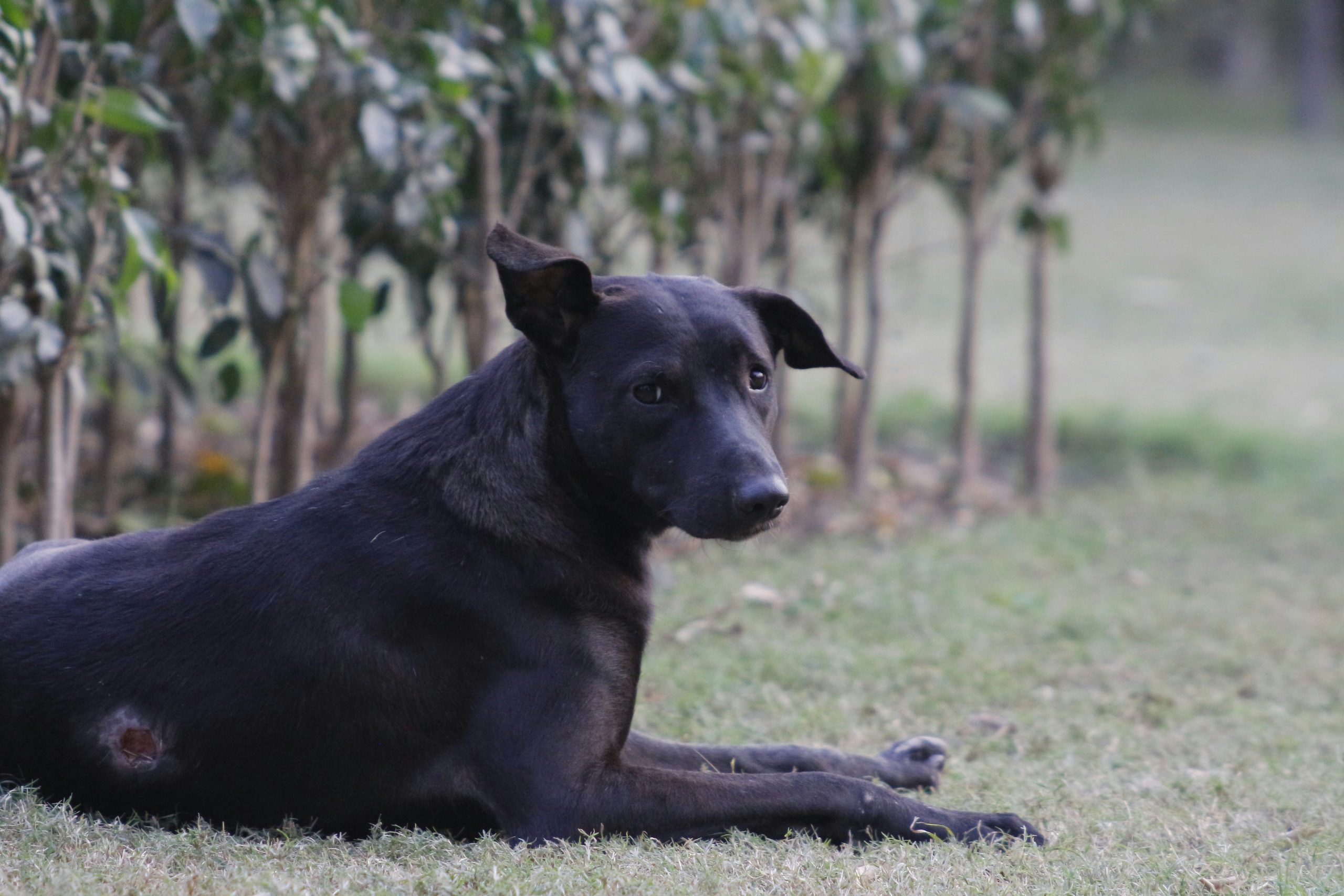
Defining a Hot Spot
A hot spot is a localized area of inflamed and infected skin that appears suddenly and grows rapidly. These spots are typically:
-
Red and inflamed
-
Moist or oozing
-
Warm to the touch
-
Itchy or painful
-
Accompanied by hair loss
Hot spots can range in size and often look worse than they are. Still, they require prompt attention because they can grow quickly and become severely infected if left untreated.
Why Do Dogs Get Hot Spots?
Hot spots usually develop when a dog scratches, licks, or chews a specific area excessively, causing irritation and breaking the skin. Once that protective barrier is compromised, bacteria can invade the site and cause an infection.
The initial itchiness or irritation can come from several sources, including:
-
Allergies (environmental or food-related)
-
Flea bites or insect stings
-
Dirty or matted fur trapping moisture
-
Underlying infections or wounds
-
Stress or boredom-related licking
Essentially, anything that makes your dog repeatedly focus on an area of their skin can become a trigger for a hot spot.
Where Do Hot Spots Commonly Occur?
Hot spots can occur anywhere on a dog’s body, but they are most often found on:
-
The neck
-
The hips or thighs
-
Behind the ears
-
Under the collar
-
Along the tail base
Long-haired breeds or dogs with dense undercoats are especially susceptible, as moisture and irritants can get trapped beneath the fur more easily.
What Do Hot Spots Look Like?
Here’s how you can identify a hot spot at home:
-
A round or irregular moist patch
-
Hair loss around the area
-
Scabs or crust forming over the lesion
-
Yellowish pus or a foul odor
-
Dog obsessively licking or biting the same spot
Because they can resemble other skin issues (like ringworm, mange, or allergies), it’s best to consult a vet for confirmation.
Are Hot Spots Contagious?
Hot spots themselves are not contagious between dogs. However, the underlying cause may be—especially in the case of parasites like fleas or mites. If one dog in a household develops hot spots, it’s wise to check other pets for signs of itching or skin irritation, just to be safe.
How Fast Do Hot Spots Spread?
One of the reasons hot spots are so concerning is their rapid progression. A spot that starts the size of a coin in the morning can double or triple in size by the evening if your dog keeps aggravating it. Moisture, bacteria, and constant licking create the perfect storm for infection.
Is My Dog in Pain?
Hot spots can be quite painful for your dog, especially as they worsen. Dogs may whimper, avoid being touched near the area, or even become irritable. The combination of pain, itchiness, and discomfort makes early detection and treatment essential.
First Steps if You Notice a Hot Spot
If you think your dog has a hot spot, here’s what to do right away:
-
Prevent further irritation – Use an Elizabethan collar (cone) to stop licking or chewing.
-
Trim the fur – Carefully clip the hair around the area to expose it to air and prevent moisture buildup.
-
Clean the area – Use a vet-approved antiseptic spray or mild solution to gently clean the spot.
-
Monitor closely – If the spot gets worse or doesn’t improve within 24–48 hours, call your vet.
When to See a Vet
Even mild hot spots can benefit from professional treatment, especially if your dog is in pain or the area is worsening. Your vet may prescribe:
-
Topical antibiotics or anti-inflammatories
-
Oral medications for infection or itching
-
Treatment for the root cause (e.g., fleas, allergies)
Conclusion: Know the Signs, Stop the Spread
Hot spots are more than just a nuisance—they’re a signal that something is irritating your dog’s skin. Knowing what they are and what causes them can help you step in quickly and keep your dog comfortable. Stay tuned for the next blog, where we’ll take a deeper dive into the common causes behind hot spots and how to tackle them at the source.