
What Does “Marking” Behavior Mean?
If you’ve ever heard a trainer say, “Mark it!” you may have wondered what that actually means.
Marking good behavior is one of the most powerful tools in dog training — yet it’s often misunderstood. Many people think giving a treat is enough. Others assume saying “good dog” casually throughout the day counts. But marking is far more precise than that.
When done correctly, marking tells your dog exactly which behavior earned the reward — and that clarity speeds up learning dramatically.
Let’s break it down.

What Is a Marker?
A marker is a distinct signal that tells your dog:
“Yes. That right there. That’s what I wanted.”
It pinpoints the exact moment your dog performs the desired behavior.
Common markers include:
-
A clicker sound
-
A consistent word like “Yes!”
-
A short word like “Good!”
-
A tongue click
The key is consistency and timing. The marker must always mean the same thing: a reward is coming.
Think of it like taking a snapshot. The marker freezes the moment so your dog clearly understands what behavior earned reinforcement.
Why Not Just Give the Treat?
Because timing matters.
Let’s say you’re teaching your dog to sit. Your dog lowers into a sit… but by the time you reach into your pocket and hand them the treat, they’ve already stood up.
What did they just get rewarded for?
Possibly standing.
Dogs associate consequences with what they are doing at the exact moment reinforcement occurs. Without a marker, your timing becomes muddy.
A marker bridges the gap between behavior and reward. It allows you to say:
“That exact split second was correct.”
Even if the treat comes a few seconds later.
The Science Behind It
Marking behavior is rooted in operant conditioning — the concept that behaviors followed by reinforcement are more likely to be repeated.
But reinforcement works best when it is:
-
Immediate
-
Clear
-
Consistent
The marker creates that immediacy.
Research in animal learning consistently shows that precise timing accelerates understanding. Without a marker, dogs may take much longer to figure out which part of the sequence earned the reward.
The clearer the communication, the faster the learning.
 Marker Word vs Casual Praise
Here’s where many owners get confused.
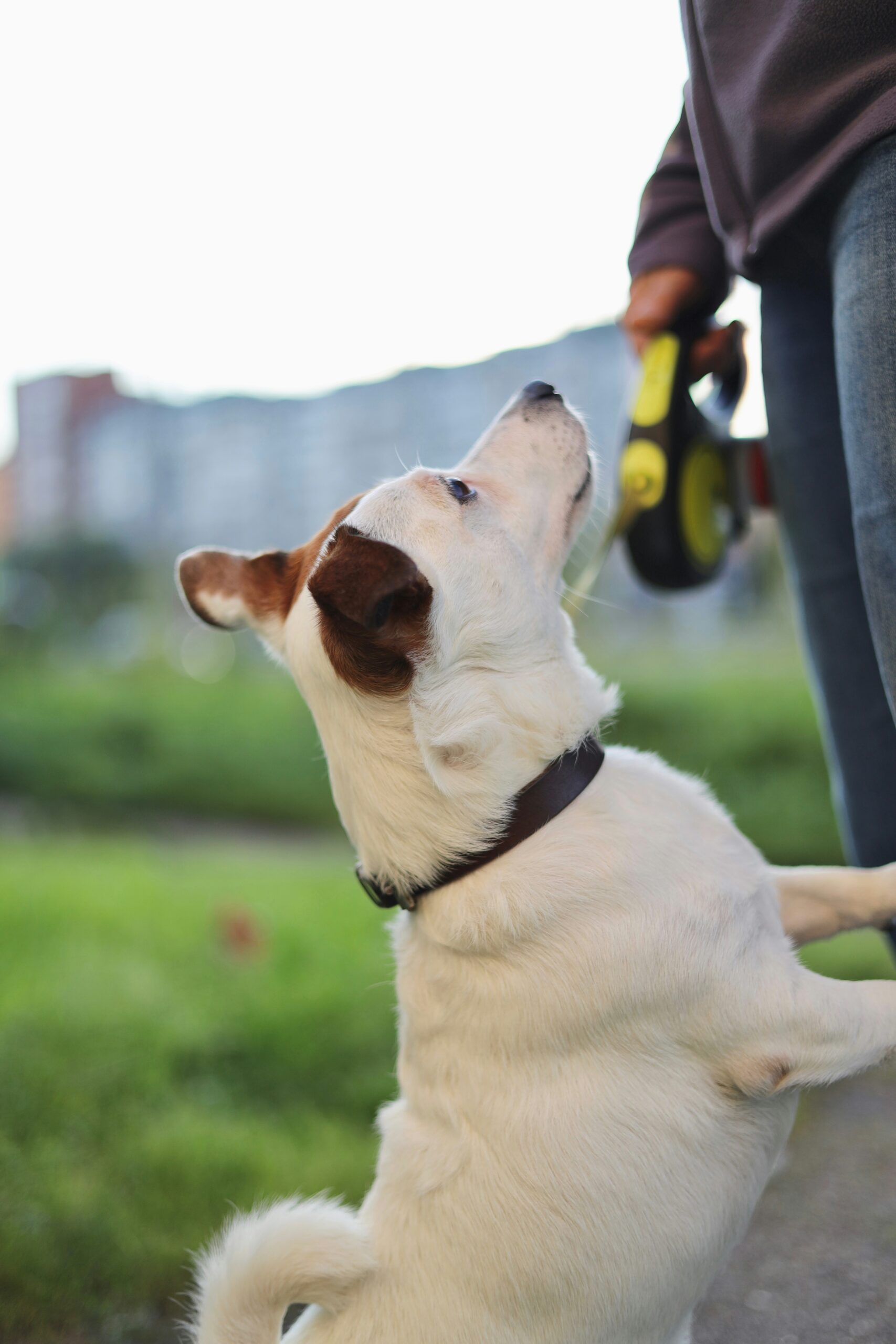
Saying “good boy” in a happy voice throughout the day is wonderful for bonding. But unless it has been formally conditioned, it is not a marker.
A true marker:
-
Is short and distinct
-
Is used only when the dog did something correct
-
Is always followed by reinforcement (especially during early training)
If you use “good boy” constantly without following it with a reward, it loses its meaning as a training tool.
That doesn’t mean you shouldn’t praise your dog — just don’t confuse praise with marking.
How to Condition a Marker
Before you use a marker to teach behaviors, you must teach your dog what the marker means.
This is called “charging” or conditioning the marker.
Here’s how:
-
Say your marker word (“Yes!”)
-
Immediately give a treat.
-
Repeat 10–15 times.
-
Do this in short sessions over a few days.
You’re not asking for any behavior yet. You are simply teaching:
Marker = reward.
After several repetitions, your dog will start to light up the moment they hear the marker. That’s when you know it’s working.
Now the marker has value.
What Makes a Good Marker?
A strong marker should be:
1. Short
One syllable is ideal. “Yes!” works better than “That’s a good job!”
2. Distinct
It should sound different from your everyday speech.
3. Consistent
Use the same word or sound every time.
4. Neutral in Emotion
Excited praise can come after the reward. The marker itself should be crisp and clear.
Think of it like pressing a button — clean and precise.
 Marking vs Rewarding
It’s important to understand:
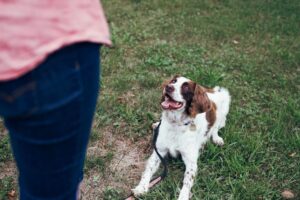
The marker is not the reward.
The marker tells your dog they earned a reward.
The reward can be:
-
Food
-
A toy
-
Praise
-
Play
-
Access to something they want
In early training, food is often easiest because it is fast and repeatable. But as your dog learns, you can vary the reward.
The marker always comes first. The reward always follows.
Where Marking Really Shines
Marking is especially powerful for:
-
Teaching new behaviors
-
Refining precision (like heel position)
-
Capturing calm behavior
-
Shaping complex tasks
-
Building confidence in shy dogs
For example, if your dog naturally lies down calmly, you can mark that exact moment. Over time, they’ll begin offering calm behavior more frequently because it has been reinforced.
This is how you build behaviors without force.
Common Beginner Mistakes
1. Marking Too Late
If your dog sits and you say “Yes!” after they stand, you marked the wrong behavior.
2. Repeating the Marker
“Good good good!” weakens clarity. One clean marker.
3. Forgetting the Reward
In early stages, every marker should be followed by reinforcement.
4. Talking Too Much
Extra chatter muddies communication. Keep it simple.
Why Marking Builds Confidence
Clear communication reduces frustration.
When dogs understand exactly what works, they:
-
Offer behaviors more confidently
-
Learn faster
-
Experience less stress
-
Engage more enthusiastically
Confusion creates hesitation. Clarity creates confidence.
Marking gives your dog a clear roadmap.
The Bottom Line
Marking good behavior is about precision, timing, and communication.
It tells your dog:
“I see that. That’s correct. Do that again.”
When you use a consistent marker and follow it with meaningful reinforcement, training becomes clearer, faster, and more enjoyable for both of you.
It’s not about louder praise or more treats.
It’s about better timing.
And once you master marking, you’ll start noticing — your dog begins offering more of the behaviors you love, simply because you’ve made it clear which ones pay off.