
Why Does My Dog Tilt Their Head?
The Endearing Head Tilt: More Than Just Cute
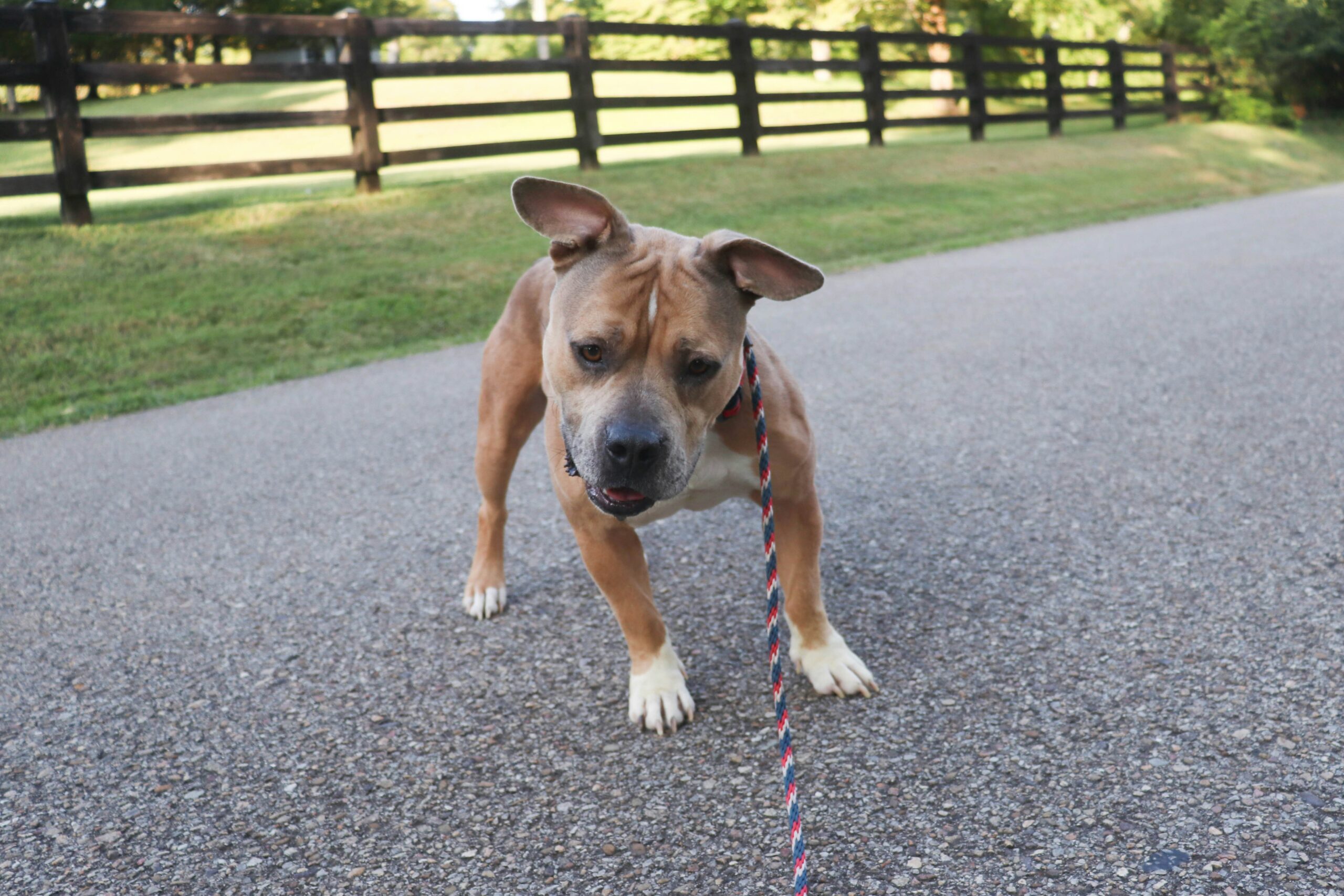
Few things melt a dog owner’s heart quite like the classic head tilt. Whether you’re speaking in a cheerful tone or your pup hears an unusual noise, the slight cock of the head seems almost human in its curiosity. While it’s adorable, this quirky behavior isn’t just for show—it’s a window into your dog’s genetics and how they’re wired to interact with the world.
The Genetic Link: Built to Tune In
Head tilting is partly rooted in canine genetics. Dogs descend from wolves, pack animals that relied on keen communication skills to survive. Over time, selective breeding amplified certain traits, including attentiveness to human voices. When your dog tilts their head, they’re not just being cute—they’re engaging centuries of instinct to better understand and bond with you.
Certain breeds may be more prone to tilting due to the shape of their skulls, ear placement, and even their neurological wiring. Breeds with longer muzzles, for example, may tilt their heads to adjust their line of sight, while those with floppy ears may use tilting to catch sounds more clearly.
Hearing in 3D: How Tilt Improves Sound Perception
Dogs have incredible hearing, but pinpointing the exact location of a sound isn’t always simple. By tilting their heads, dogs can adjust the position of their outer ears (pinnae), helping them filter and localize noises. Think of it as your dog’s version of adjusting an antenna to get a clearer signal.
This behavior can also be genetic, as some lines of dogs were bred for alertness and communication—traits that make head tilting more common in certain breeds.
Vision and the Muzzle Factor
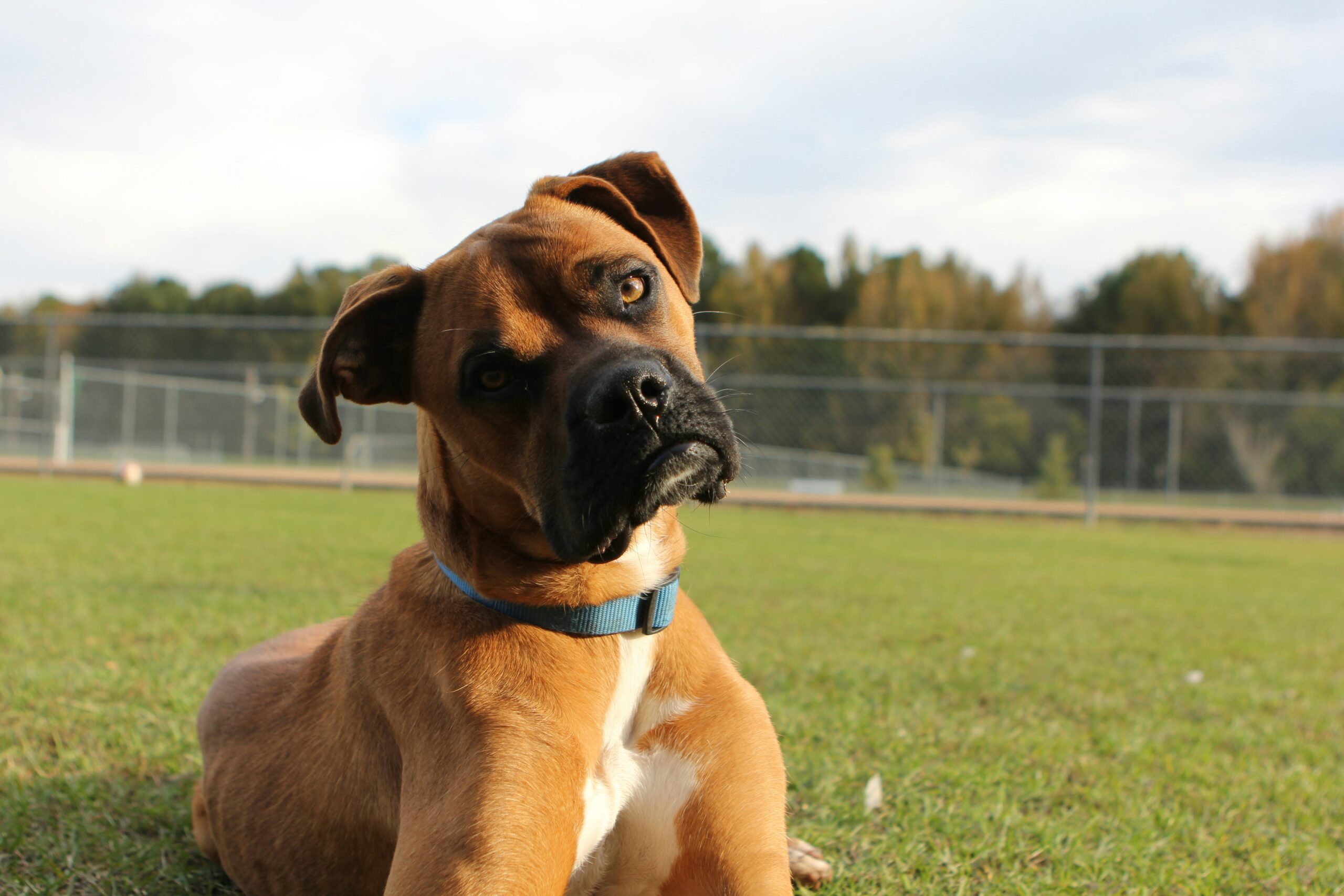
Another reason genetics play a role is facial structure. Dogs with prominent muzzles, like German Shepherds or Collies, may tilt their heads to see past their noses when focusing on something. This head movement gives them a better visual angle to interpret human facial expressions or gestures—a vital part of the bond between dogs and people.
On the flip side, flat-faced breeds (like Pugs or Bulldogs) may head tilt less frequently since their shorter muzzles don’t block their line of sight as much.
The Human Connection: Reinforced by Attention
Interestingly, head tilting may also persist because humans respond so positively to it. Dogs are masters at reading our reactions, and when a head tilt earns extra attention, praise, or even treats, it reinforces the behavior. Over generations, dogs that were more expressive and attentive may have been more likely to be favored as companions—meaning genetics played a role in passing this trait along.
When Head Tilting Could Signal a Problem
While most head tilts are harmless and downright charming, persistent or extreme tilting may indicate a health issue. Genetic predispositions to ear infections, vestibular disease, or neurological conditions can cause abnormal head positioning. If your dog tilts their head excessively, stumbles, or shows signs of discomfort, it’s always best to check with a vet.
Why We Love the Tilt
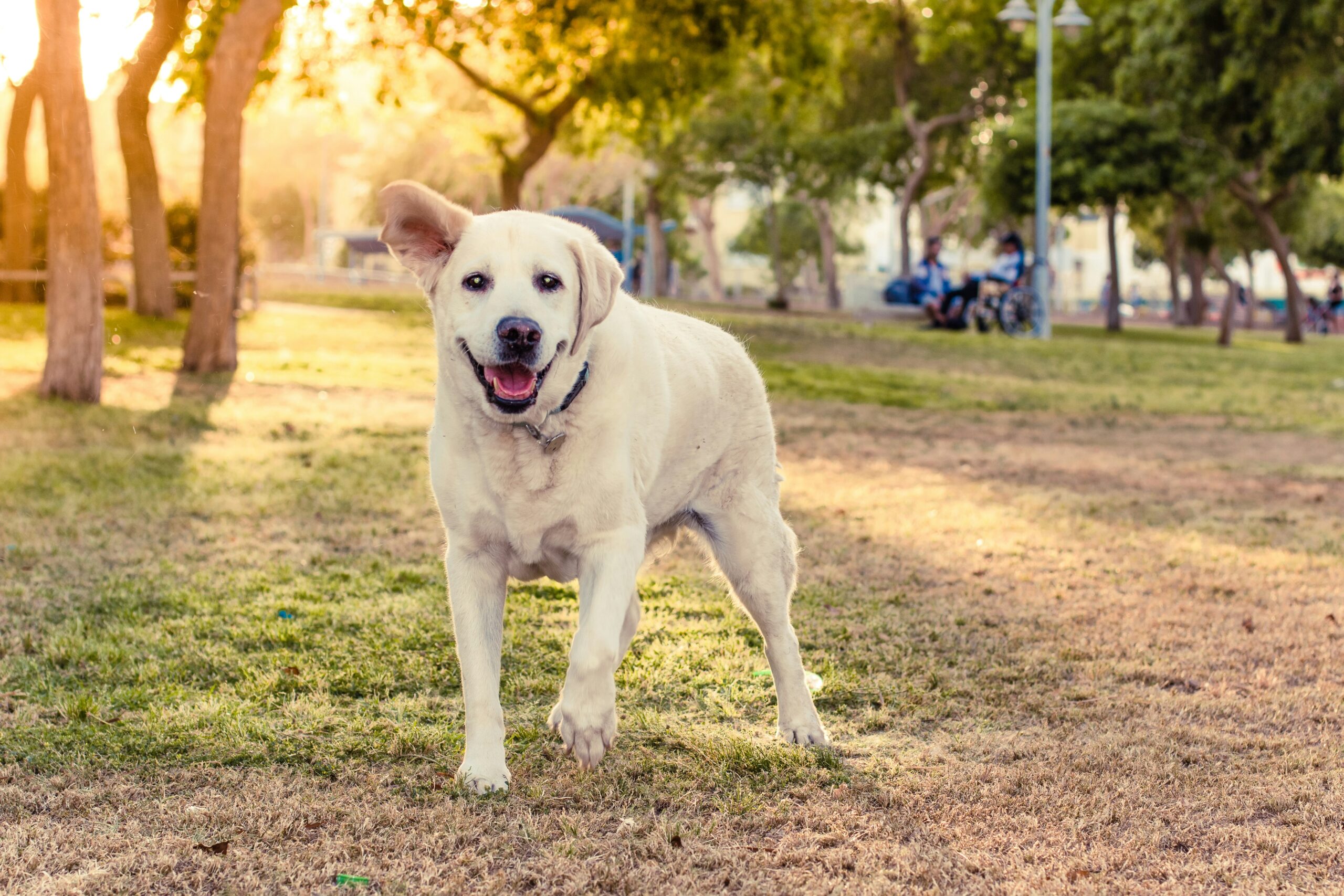
At its core, the head tilt reminds us why dogs are so special. It’s a blend of instinct, genetic wiring, and social learning—all wrapped up in one heart-melting gesture. When your pup tilts their head, they’re not just listening—they’re connecting with you, engaging both their ancestry and their unique personality.
Final Thoughts
The head tilt is a perfect example of how genetics shape the small quirks that make dogs so lovable. It’s part hearing adjustment, part vision aid, and part social bonding tool. While science gives us a glimpse into the “why,” the joy it brings is something that needs no explanation. Next time your pup gives you that quizzical tilt, know you’re witnessing centuries of evolution—and unconditional love—in action.