
Why Dogs Get Bored—and Why It Matters
Boredom might seem like a small issue, but for dogs, it can lead to serious behavioral and emotional problems. Dogs are intelligent, social animals that crave stimulation—both mental and physical. When they’re deprived of these outlets, boredom creeps in. Left unchecked, it can cause everything from anxiety to destruction around the house.
In this blog, we’ll explore the causes of boredom in dogs, the signs to look out for, and why keeping your dog mentally engaged is just as important as feeding or walking them.

Why Do Dogs Get Bored?
Dogs evolved to work. Whether hunting, herding, guarding, or retrieving, they had daily tasks to keep their minds and bodies active. In modern homes, especially when left alone for long hours, dogs often have little to do beyond lounging around.
Some of the main causes of boredom include:
-
Lack of mental stimulation: No challenges, puzzles, or novelty.
-
Insufficient physical activity: Not enough walks, playtime, or energy outlets.
-
Monotonous routines: Predictable days with no variety.
-
Social isolation: Limited interaction with humans or other dogs.
Just like humans, dogs need variety and engagement to stay emotionally balanced.
Signs Your Dog Might Be Bored
Recognizing boredom in your dog can help you intervene before it escalates into problematic behavior. Here are common signs:
-
Destructive behavior: Chewing furniture, digging, or shredding items.
-
Excessive barking or whining: Trying to gain attention or release energy.
-
Restlessness or pacing: Trouble relaxing or staying still.
-
Obsessive behaviors: Licking paws, tail-chasing, or repetitive movements.
-
Escape attempts: Trying to get out of the yard or house frequently.
If these behaviors are new or increasing, boredom could be the root cause.
Why Boredom Is a Big Deal
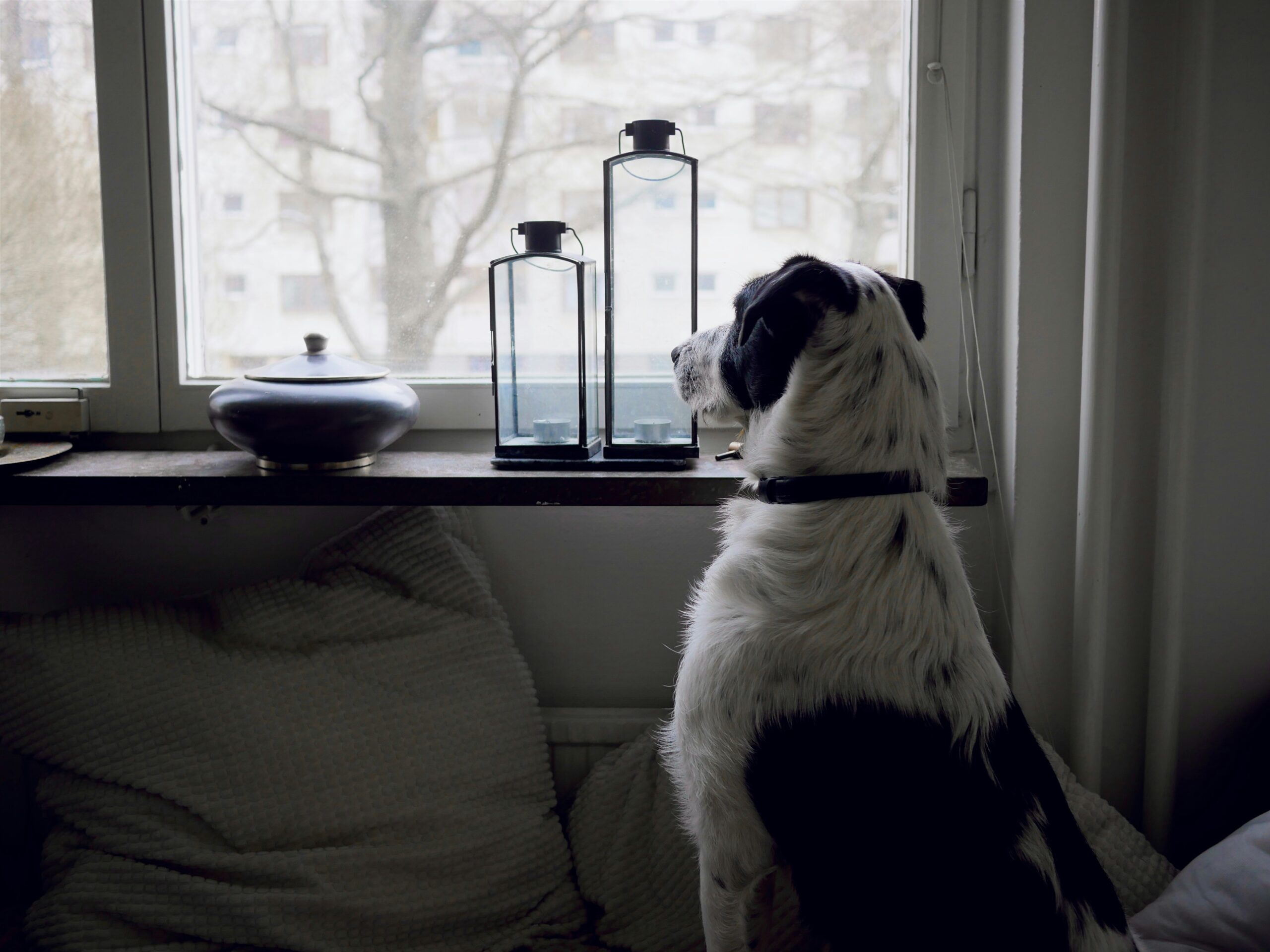 Boredom might seem harmless, but over time it can seriously affect your dog’s:
-
Mental health: Prolonged boredom can lead to anxiety and depression.
-
Physical health: Dogs may overeat or under-exercise, leading to weight gain or other issues.
-
Relationship with you: A bored dog may seem disobedient or needy, straining your bond.
-
Quality of life: Every dog deserves a stimulating, enriching life.
Ignoring boredom is like ignoring an emotional cry for help. Engaging your dog’s mind can significantly improve their well-being.
The Role of Enrichment
Enrichment means providing activities that allow your dog to think, solve problems, and engage their senses. It includes:
-
Puzzle toys
-
Scent games
-
Trick training
-
Varying walking routes
-
Interactive play
Regular enrichment not only busts boredom—it strengthens the human-canine bond and improves behavior.
Small Changes Make a Big Difference
 You don’t have to overhaul your entire life to fix boredom. Start with these simple changes:
-
Rotate toys weekly to make them feel “new.”
-
Incorporate short training sessions during the day.
-
Let your dog sniff more on walks—it’s like reading the news!
-
Add play breaks or food puzzles during alone time.
-
Schedule daily interaction, even if brief, to show your dog they matter.
These small efforts create a more stimulating and fulfilling environment.
Final Thoughts
Boredom isn’t just a minor annoyance—it’s a call to action. Your dog relies on you to provide a life that nurtures both their body and mind. By understanding why dogs get bored and addressing it head-on, you can prevent behavior problems, boost their happiness, and deepen your bond.