
Why Play Matters for Every Dog
If you’ve ever tossed a ball and watched a dog transform into a zooming blur of excitement, you already know one important truth: play is powerful. It’s more than entertainment — it’s a core part of a dog’s health, happiness, and identity.
From puppies learning about the world to senior dogs staying sharp, play enriches life at every stage. It allows dogs to express natural instincts, burn energy, form social connections, and relieve anxiety. It’s not a luxury — it’s a need.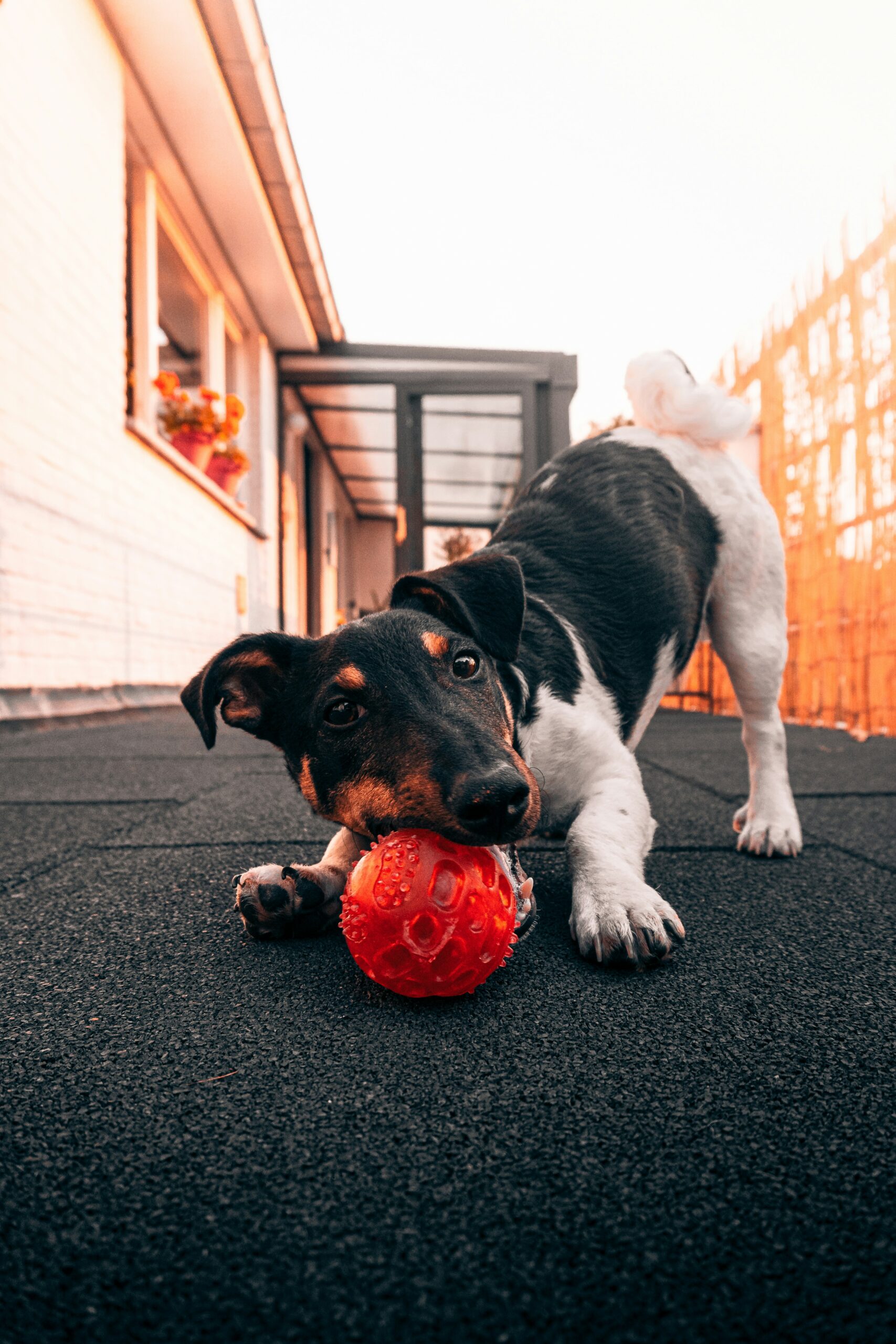
The Instinctive Drive to Play
Dogs are wired for play. Their wolf ancestors used play to practice survival skills, like hunting and cooperation. Today’s dogs may not need to chase dinner, but those instincts remain strong. Play allows them to:
-
Build confidence
-
Explore movement and agility
-
Practice problem-solving
-
Learn communication cues
Whether it’s pouncing on a squeaky toy or wrestling with a friend, play is how dogs learn who they are and how to interact with the world.
Play Reduces Stress and Anxiety
Many behavior problems stem from boredom or excess energy. Play helps channel that energy into something positive. Just a few benefits:
-
Releases endorphins for relaxation
-
Builds resilience against fears and stressors
-
Prevents destructive behavior linked to frustration
-
Promotes better rest and sleep
A tired dog is not only a happy dog — but a calmer companion.
Play Strengthens the Dog-Human Bond
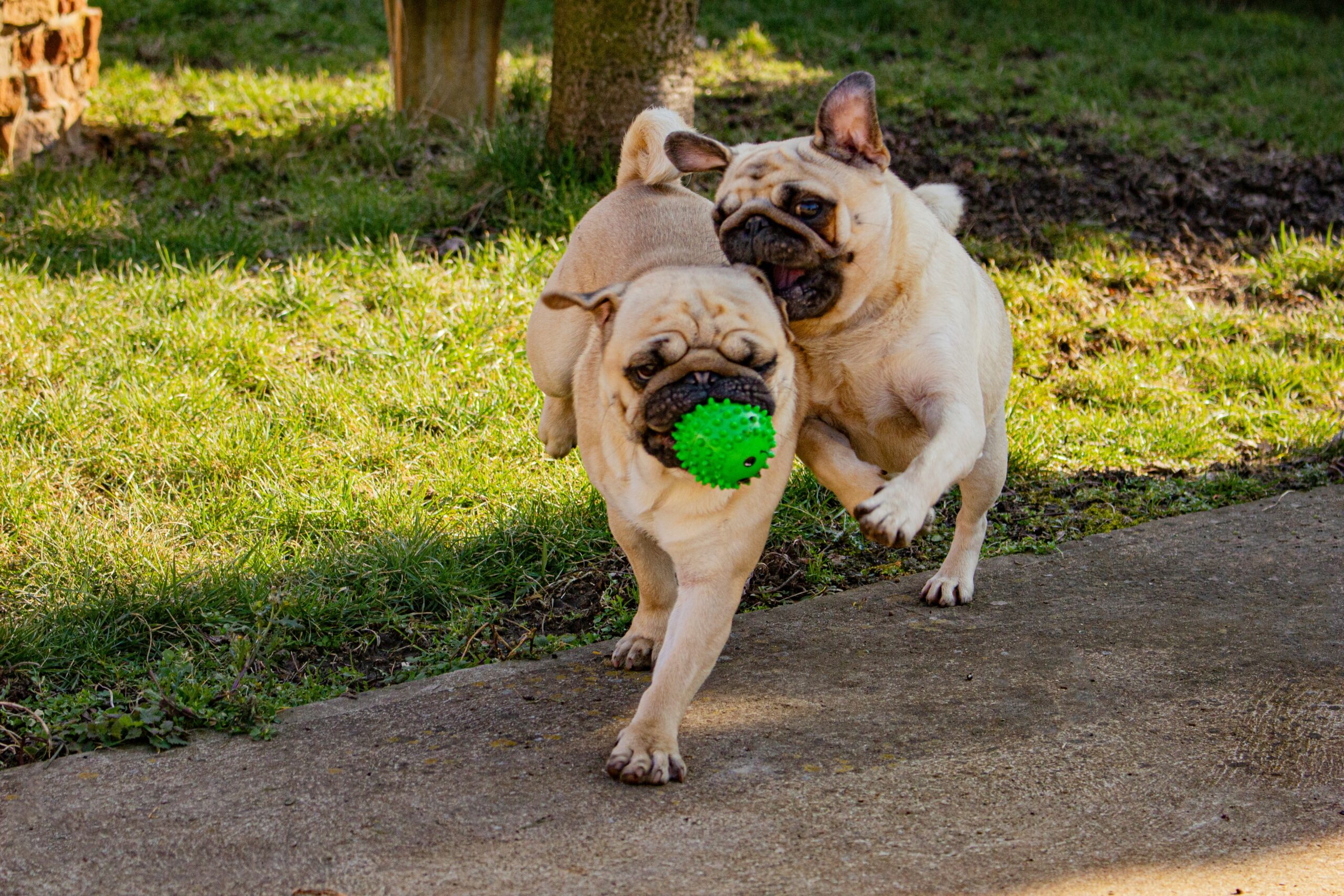
When you take part in your dog’s playtime, you become their favorite source of fun and fulfillment. That interaction builds trust and positive association.
Through play, you get:
-
Opportunities to reinforce training
-
Communication without pressure
-
Shared moments that strengthen attachment
Your attention and involvement mean more to your dog than any toy ever could.
Physical Health Benefits
Regular play helps maintain:
-
Healthy weight and muscle tone
-
Joint flexibility and mobility
-
Cardiovascular health
-
Strong bones and core stability
It’s an essential component of preventive wellness — especially for high-energy breeds or dogs prone to weight gain.
Play Teaches Important Social Skills
Play acts as a “school” for dogs. Social play with humans or other dogs teaches:
-
Bite inhibition
-
Reading body language
-
Turn-taking and sharing
-
Conflict prevention through communication
Dogs who play regularly are often more adaptable and confident in new environments.
 Mental Enrichment & Cognitive Development
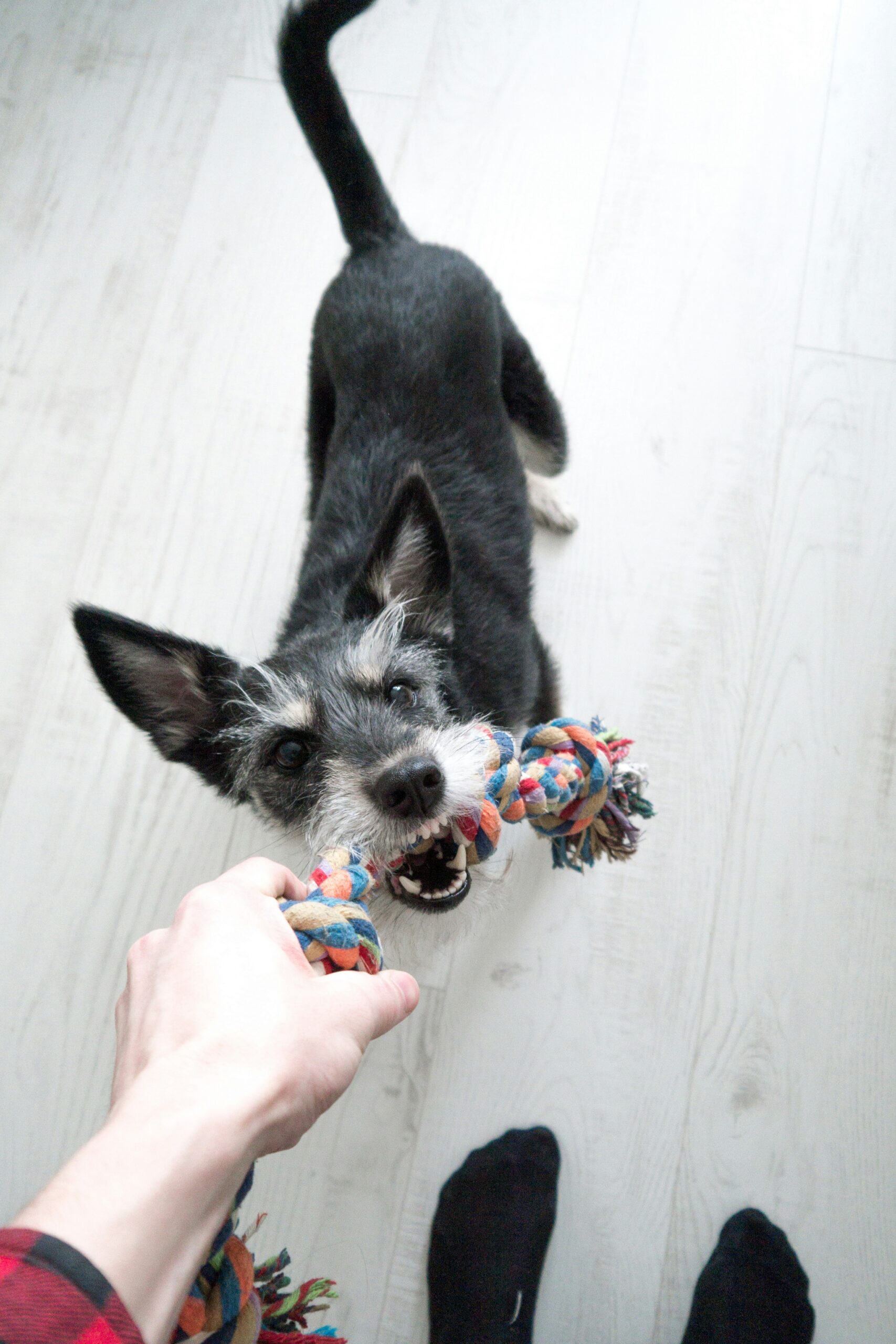
Puzzle toys, scent games, and strategic play improve:
-
Memory
-
Problem-solving skills
-
Focus and impulse control
-
Creativity and curiosity
Mental stimulation can be just as tiring — sometimes more — than physical exercise.
Different Dogs, Different Play Styles
Just like people, dogs have preferences. Observing what your dog loves most can help you tailor games to their needs. Some love chasing; others love wrestling, chewing, or sniffing.
Offering variety keeps play exciting and prevents boredom.
How Much Play Does a Dog Need?
There’s no universal number — every dog is unique. But a good rule of thumb:
-
At least 30–60 minutes daily
-
A mix of physical & mental activities
-
Even more for working and active breeds
Short play sessions throughout the day are more effective than one long burst.
Play for Every Age
-
Puppies: Play teaches boundaries and confidence
-
Adults: Provides needed exercise & enrichment
-
Seniors: Keeps aging minds sharp and bodies flexible
Adapt style and intensity — not the joy of play.
Final Thought
Play is where joy meets wellness. When you take time to play with your dog, you’re not just making memories — you’re shaping a healthier, happier life for them. It’s one of the simplest and most meaningful gifts you can give.
Let the fun begin. 🎾❤️